
Last updated on January 3, 2026
What is Basarbovo Rock Monastery?
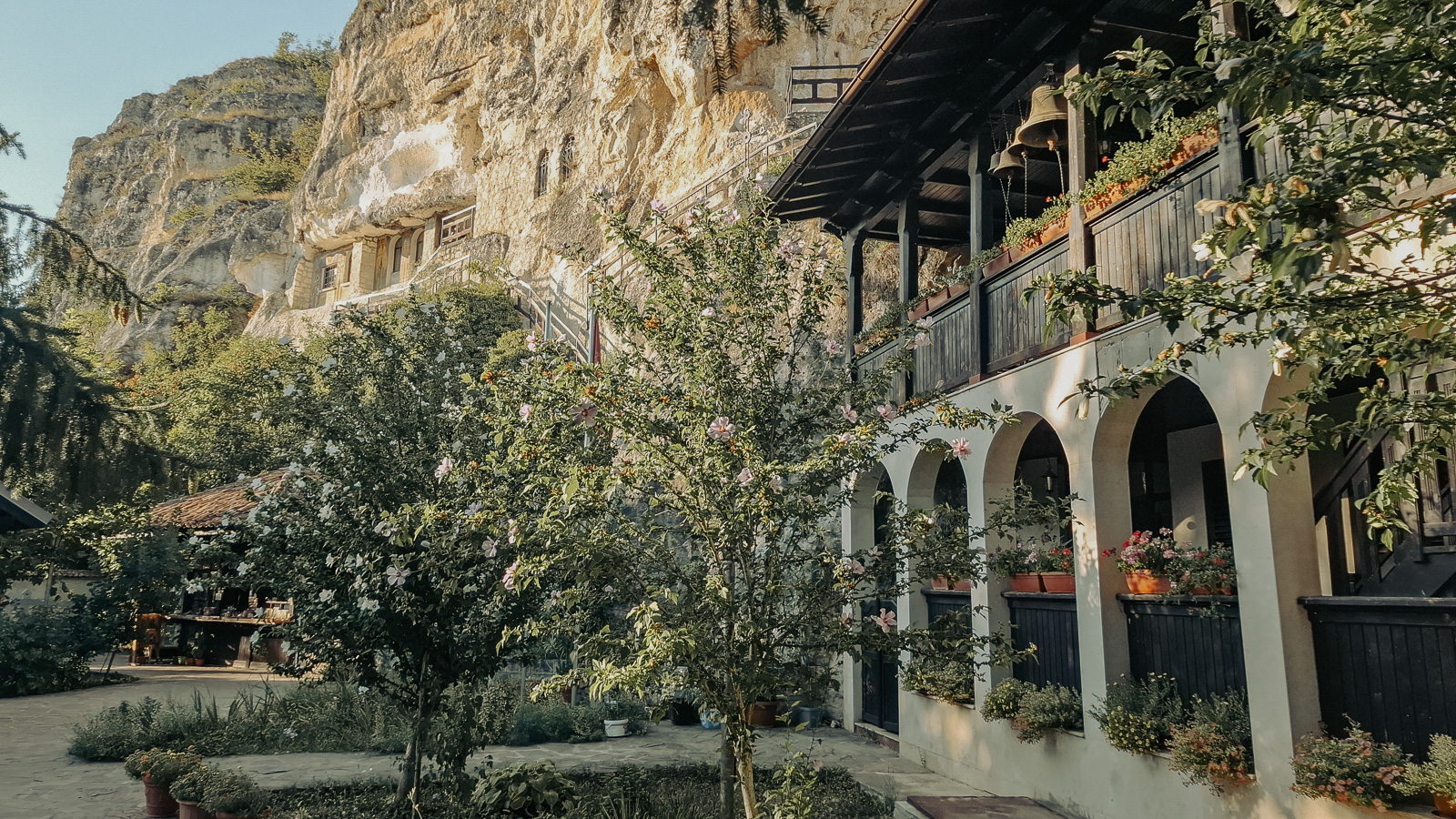
Basarbovo Monastery “St. Dimitar Basarbovski” is the only active rock monastery in Bulgaria today. It’s officially listed as site No. 50b among Bulgaria’s 100 National Tourist Sites.
You’ll find it in the Rusenski Lom river valley, right next to Basarbovo village, about 10 km south of Ruse. It’s an easy half-day trip if you’re staying in Ruse.
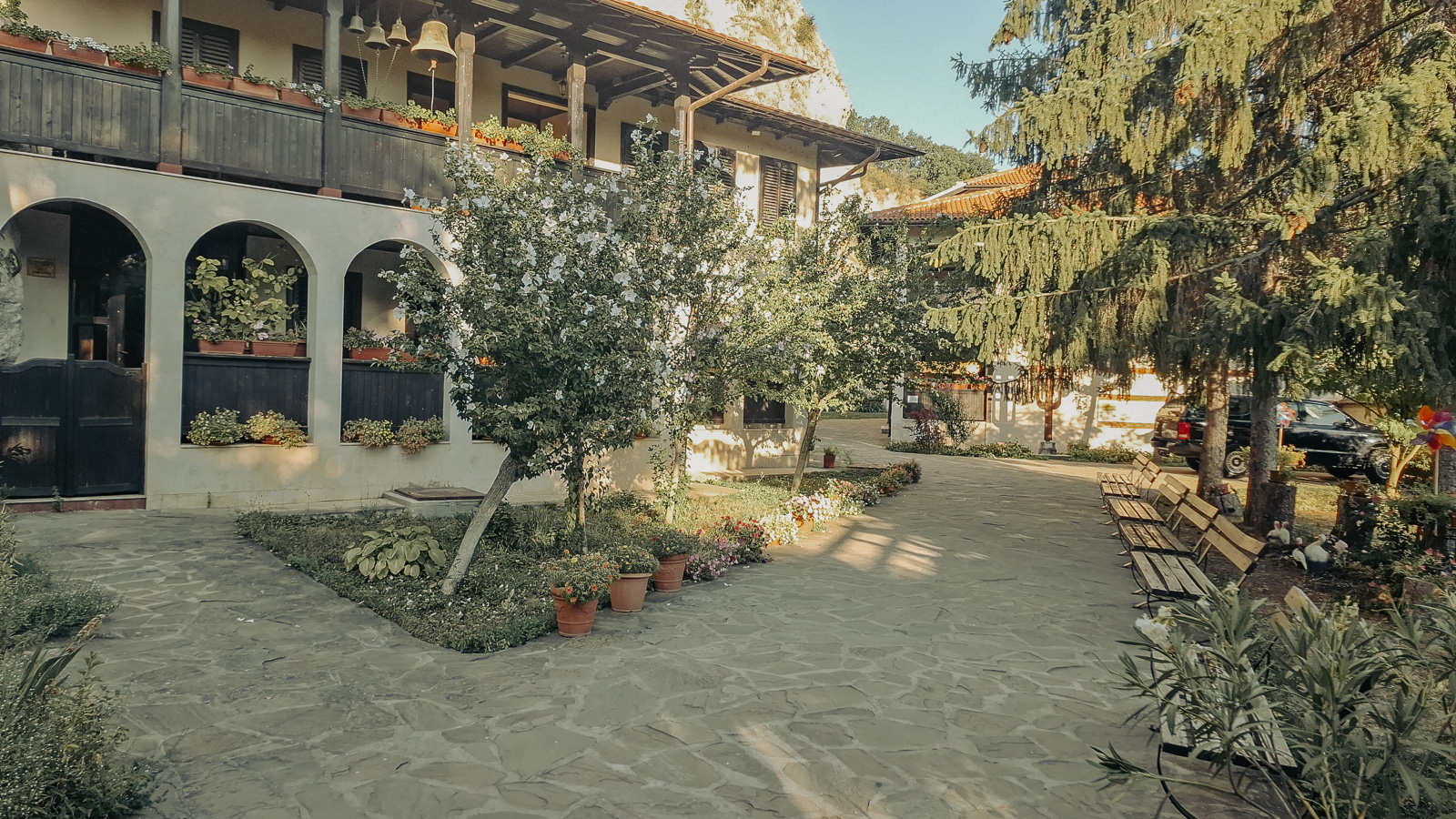
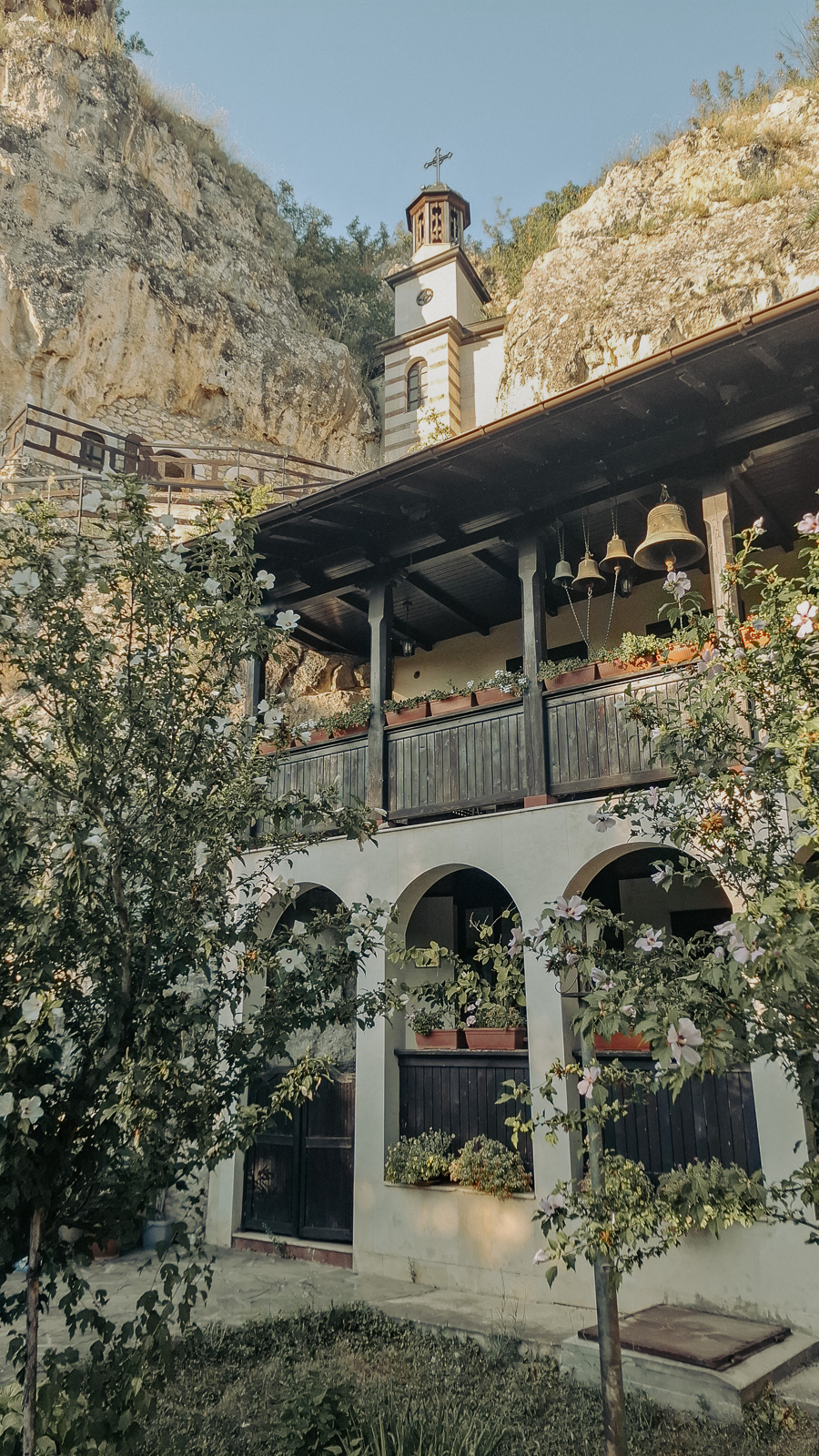
You enter the monastery through a beautiful and quiet landscaped courtyard. The path ends at a stone well, believed to have been dug by St. Dimitar himself. Locals believe the water from this well has healing properties.
At the base of the cliffs, you’ll see:
- Two monastic rooms
- A rock-cut dining cave, added in 1956
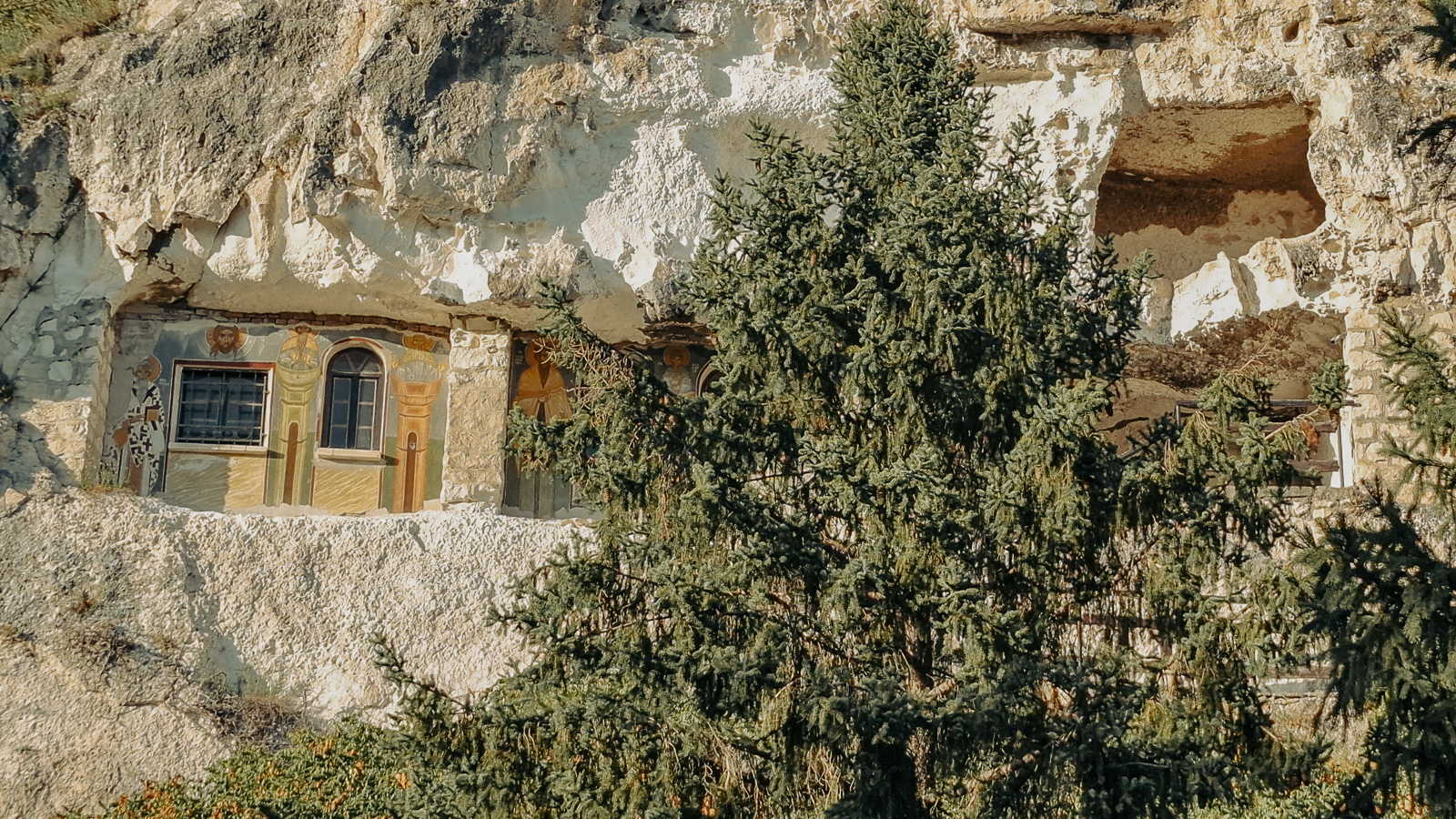
From here, things get vertical.
A staircase of 48 stone steps takes you up to a rocky terrace. This is where the monastery really feels carved, not built.
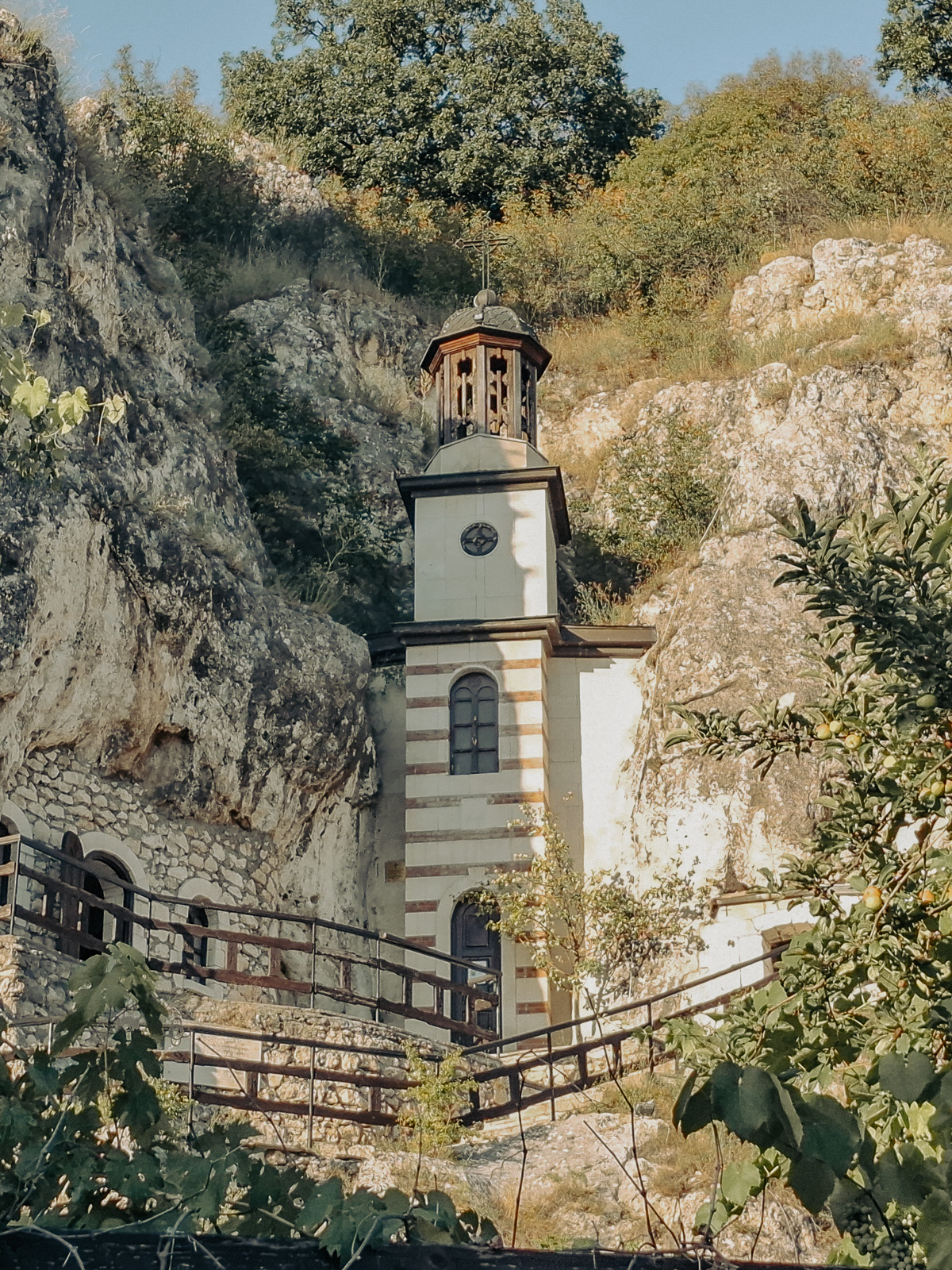
Up there you’ll find:
- A rock niche, where legend says St. Dimitar slept
- A small rock church with a beautifully carved wooden iconostasis from 1941
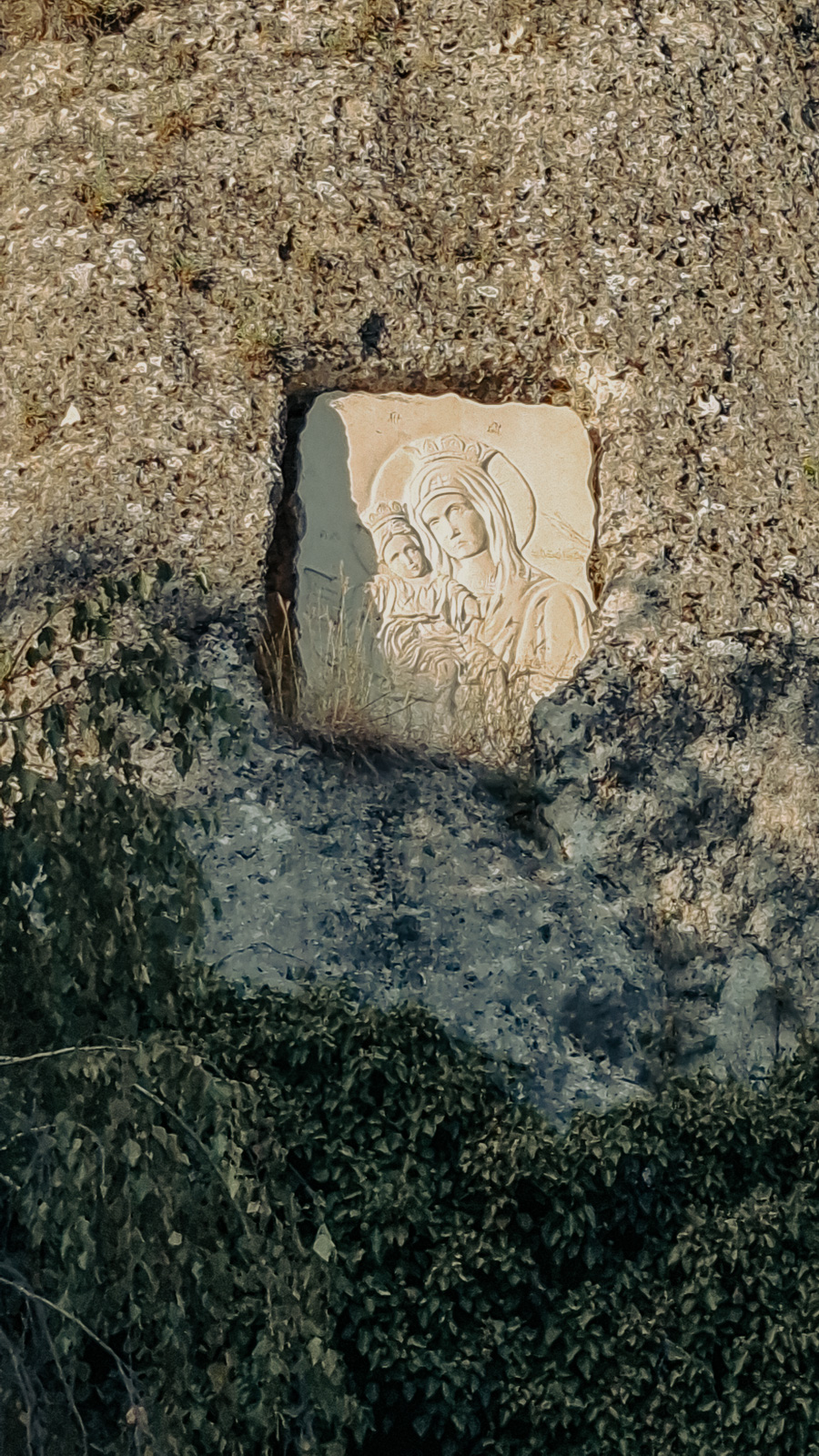
- A large full-length icon of St. Dimitar, impossible to miss
A separate stone staircase leads to a natural cave, where Monk Hrisant is buried (the man who brought the monastery back to life in 1937). Today, the cave serves as an ossuary and small museum space.
History of Basarbovo Rock Monastery
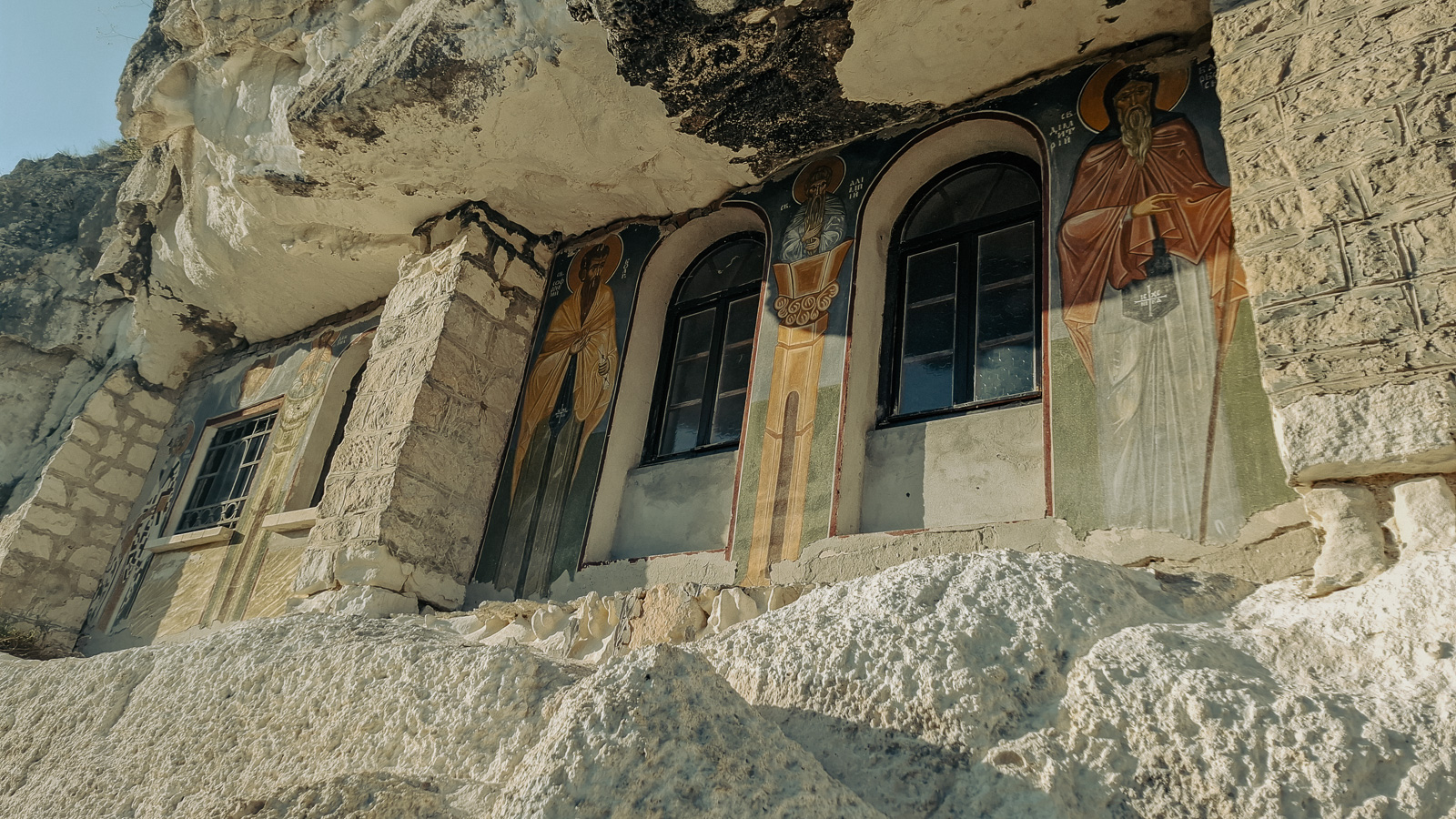
Basarbovo Rock Monastery has a long and layered past.
To keep things clear, here’s the story in simple steps:
- The monastery dates back to the Second Bulgarian Empire (12th-14th century).
- Its name appears for the first time in an Ottoman tax register from 1431.
- A later Ottoman register from 1479-1480 mentions the site as “Monastery Basarba”.
During the Second Bulgarian Empire, the monastery was part of a large hesychast monastic complex. This complex spread across the Rusenski Lom canyon and the rivers Beli Lom and Cherni Lom.
Monks carved chapels and cells directly into the limestone rocks. These monks followed hesychasm – a way of life based on silence, prayer, and isolation. Their goal was spiritual enlightenment through constant prayer and ascetic life.
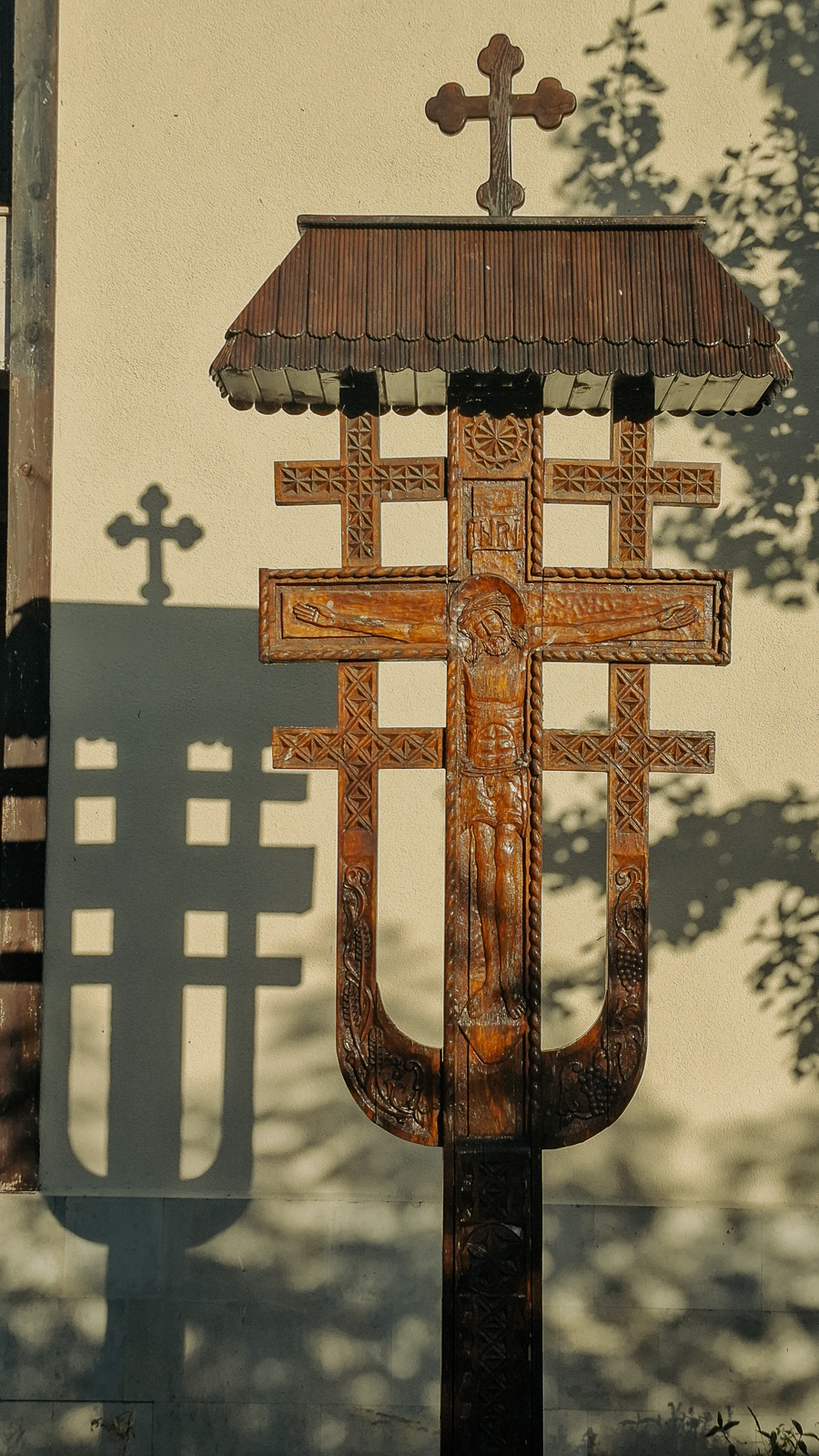
After the Ottoman invasion, the rock cells and churches were abandoned at different times.
According to research, the monastery was originally dedicated to:
- St. Theodore Tyron
- St. Theodore Stratelates
Other figures throughout Basarbovo’s history include:
- St. Sophronius of Bulgaria (Basarbovski) – in the 16th century, St. Sophronius of Bulgaria (Basarbovski) lived here as a monk.
- St. Dimitar Basarbovski – in the 17th century, the monastery was home to St. Dimitar Basarbovski.
- Patriarch Joachim I – he lived in the rock monasteries near Ivanovo, Krasen, and Basarbovo.
- Queen Theodora – The monastery was supported by the first wife of Tsar Ivan Alexander. She was the daughter of Ivan Basarab, ruler of Wallachia – this is where the name Basarbovo comes from.
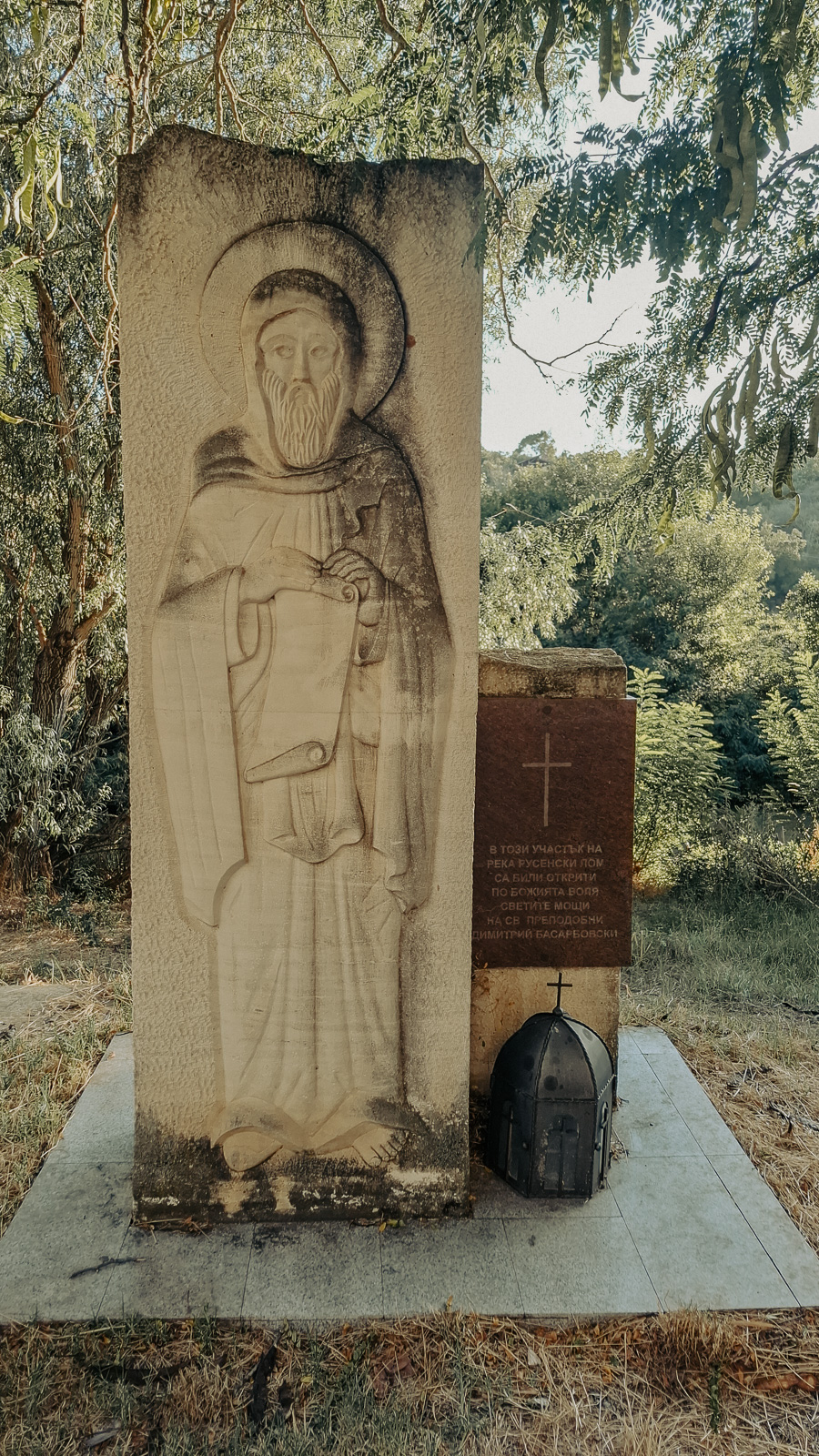
After St. Dimitar, there is no record of monks living in the monastery for a long time.
Revival and new history of the monastery:
- In 1912, the site was archaeologically studied by Karel Škorpil.
- The monastery was officially restored on 1 May 1937.
- The first monk after the restoration was Monk Hrisant, from the Transfiguration Monastery near Veliko Tarnovo.
- For decades, the monastery had only one monk at a time.
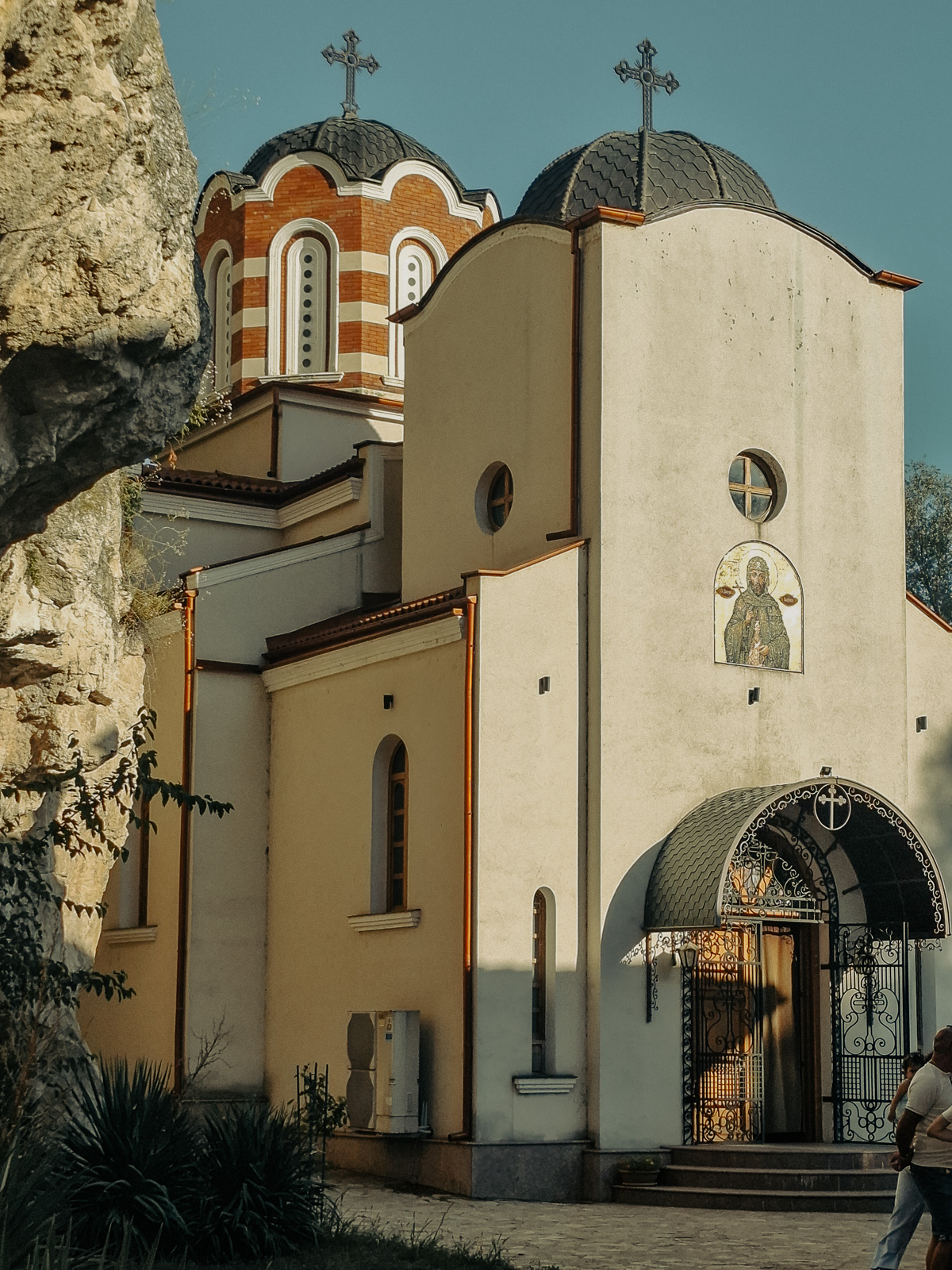
In September 2005, the foundation stone was laid for a new church, “St. Transfiguration of the Lord”.
In October 2005, marking 320 years since the death of St. Dimitar, the monastery received a life-icon and a small relic of St. Dimitar. This gift came from the Romanian Patriarchate.
Opening hours, entrance fee, and contacts
Basarbovo Rock Monastery is easy to visit year-round, with clear visiting hours and no entrance fee.
Opening hours:
- October to March: 8:00 – 17:00
- April to September: 8:00 – 19:00
Entrance: Free
Contacts:
- Phone: +359 82 800 765
- Mobile: 0889 155 293
- Mobile: 0877 353 019
How to get to Basarbovo Rock Monastery
The monastery is accessible by car and is located in the Rusenski Lom River valley, near Basarbovo village, about 10 km south of Ruse.
By car
Leaving Ruse in the direction of Sofia, look for the left turnoff to Basarbovo village (around the large bridge). From there, arrive in Basarbovo and continue towards the village center. There are road signs pointing to the monastery (to the left, before a tiny bridge), so you don’t need any special navigation skills.
At the bottom of the monastery, there is a small parking area, which usually fits all visitors without issues.
By public transport
You can also take a bus from Ruse to Basarbovo village. The bus departs from Avtogara Iztok in Ruse and arrives at the village center.
From the village center bus stop, the monastery is about:
- 1.4 km on foot
- Around 20 minutes walking
You can walk on the small car road that follows the left side of the Rusenski Lom River, making the walk easy and pleasant.
Stef’s local tips
A visit to Basarbovo Rock Monastery is simple, but a few local tips will make it even better:
📅 If you want a quieter experience, check the Orthodox calendar before you go. Big Christian holidays attract many visitors, and the peaceful atmosphere can disappear fast.
⛪Don’t skip the new church at the back of the monastery complex. It was built relatively recently, but it’s very beautiful and worth a look inside.
🤓 While exploring, look up and around. The walls and ceilings hide small details that are easy to miss but make the visit much more interesting.
🎆 The monastery celebrates its feast day on 26 October (St. Dimitar’s Day).
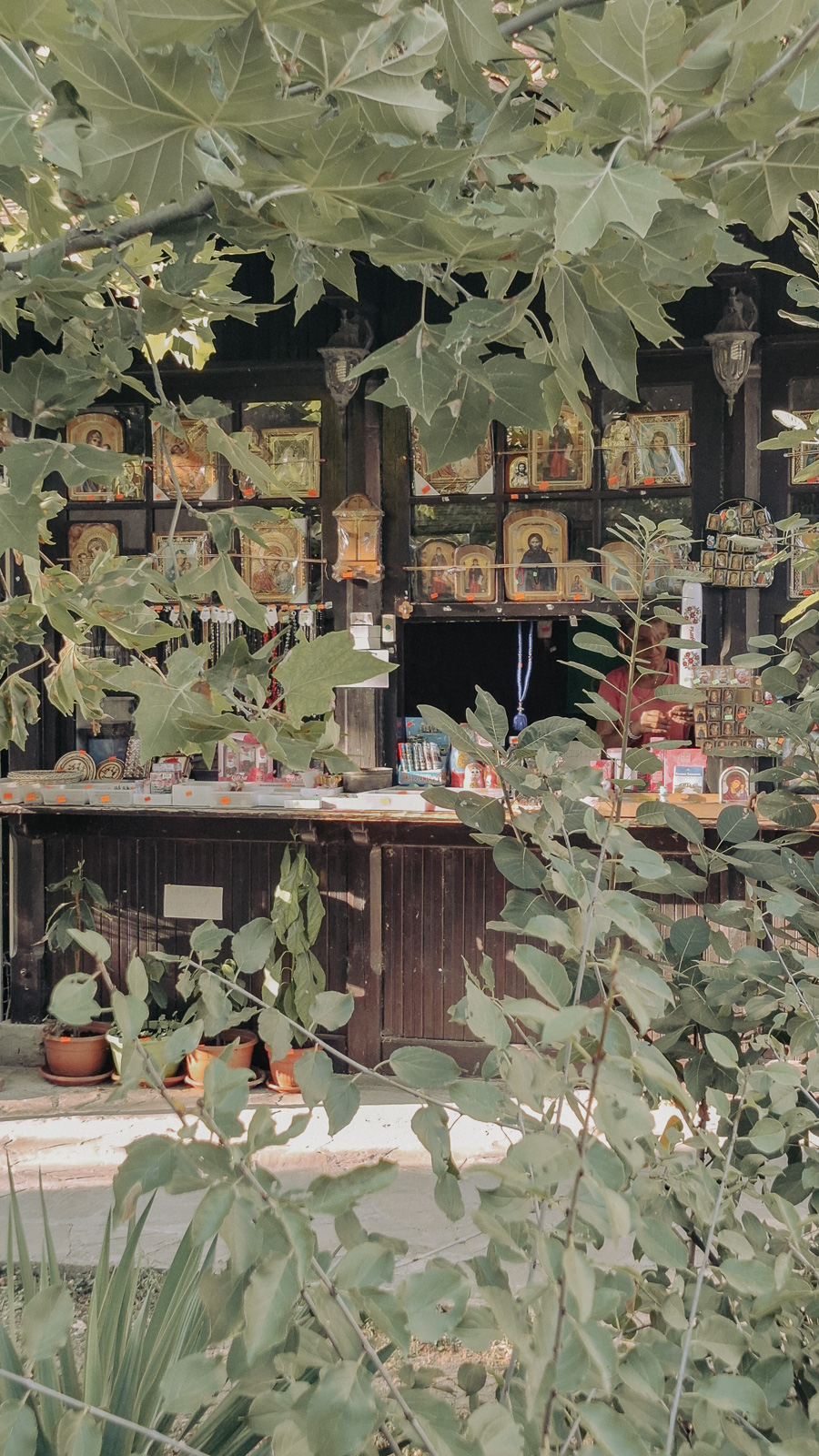
🙏 There is no accommodation in the complex, but you can buy icons and informational materials on site.
🎧 If you prefer exploring at your own pace, consider using a self-guided audio tour to fully understand the history and details.
🧛🏼♂️ If you’re visiting from Romania, especially from Bucharest, look into combined day tours to Bulgaria. Many of them include Basarbovo Rock Monastery along with other nearby landmarks.
Where to stay nearby
The rock monastery itself does not offer accommodation.
If you want the widest choice of hotels, guesthouses, and restaurants, staying in Ruse is your best option.
If you prefer to sleep closer to the monastery, the most suitable places are:
- Alpinist Hut
- Ecopark Sadzhaka
For now, there are no guesthouses, hotels, or rental apartments right next to the monastery.
That said, the distance from Ruse is short enough to make Basarbovo a perfect half-day escape, combining fresh air, history, and a calm spiritual atmosphere.
What to see nearby
Besides the obvious choice (the city of Ruse) the region offers plenty of places that work well for half-day trips. Many of them can be easily combined with a visit to the monastery.
Good options nearby include:
- Alpinist Hut – a mountain hut near the monastery, popular with hikers and climbers exploring the Rusenski Lom area.
- Ecopark Sadzhaka – a campground offering bungalows, eco-friendly practices, and great views toward the surrounding cliffs, making it a preferred camping spot in the area.
- Rusenski Lom Nature Park – a protected area known for its river canyons, rich biodiversity, and rock monasteries carved into the cliffs.
- Krasen village – a quiet but beautiful village near Rusenski Lom, close to several rock monasteries and natural landmarks.
- Crazy Pool – an outdoor pool complex on the outskirts of Krasen, overlooking the canyon and offering a refreshing escape from the summer heat.
- Medieval town of Cherven – one of Bulgaria’s most important medieval fortress towns, with visible ruins, towers, and churches.
- Ivanovo Rock Churches – A UNESCO World Heritage Site featuring medieval rock churches with preserved frescoes carved into the cliffs.
- Orlova Chuka Cave – One of the longest caves in Bulgaria, open to visitors and known for its large halls and formations.
The area is great if you like mixing nature, history, and light walking without rushing.
FAQs
Is Basarbovo Rock Monastery suitable for children?
Yes, but keep in mind there are stone steps and uneven paths. Comfortable shoes are a must.
How much time do you need to visit the monastery?
Most visitors spend 60-90, depending on how slowly they explore and whether they stop at the well and church.
Is the walk from Basarbovo village difficult?
No. The walk is easy and mostly flat, following the river. It takes about 20 minutes.
Can you take photos inside the monastery?
Yes, photography is generally allowed, but be respectful inside the church areas.
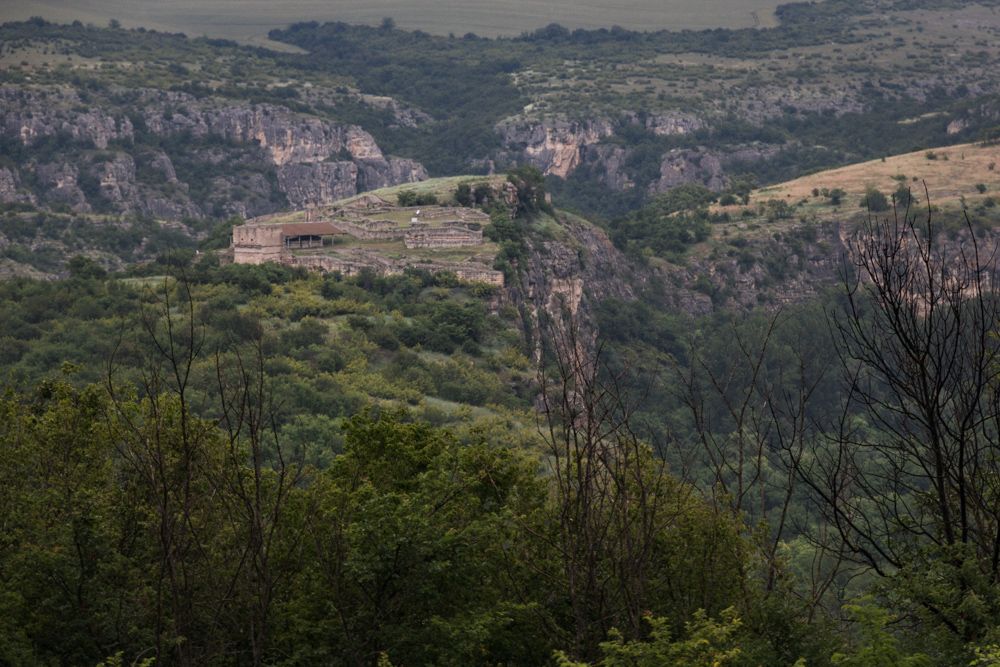
The Cherven Fortress is one of Bulgaria’s most important medieval cities, perched high above the Rusenski Lom River. Located near Ruse, it’s an easy half-day trip combining history, ruins, and panoramic views over the canyon.
From 5-star ski-in ski-out hotels to cosy budget apartments, this guide breaks down the best accommodation in Borovets, Bulgaria, so you can book the right stay for your trip, budget, and ski plans.
Pamporovo ski resort is Bulgaria’s sunniest and most family-friendly winter destination. This complete guide covers ski slopes, lift passes, snow conditions, accommodation, how to get there, and insider tips to help you decide if Pamporovo is right for your next ski trip.
Discover Bulgaria’s ski resorts beyond Bansko, Borovets, and Pamporovo. From hidden slopes to family zones and budget-friendly gems, this ultimate guide shows you where to ski, what to expect, and insider tips for every mountain traveler.
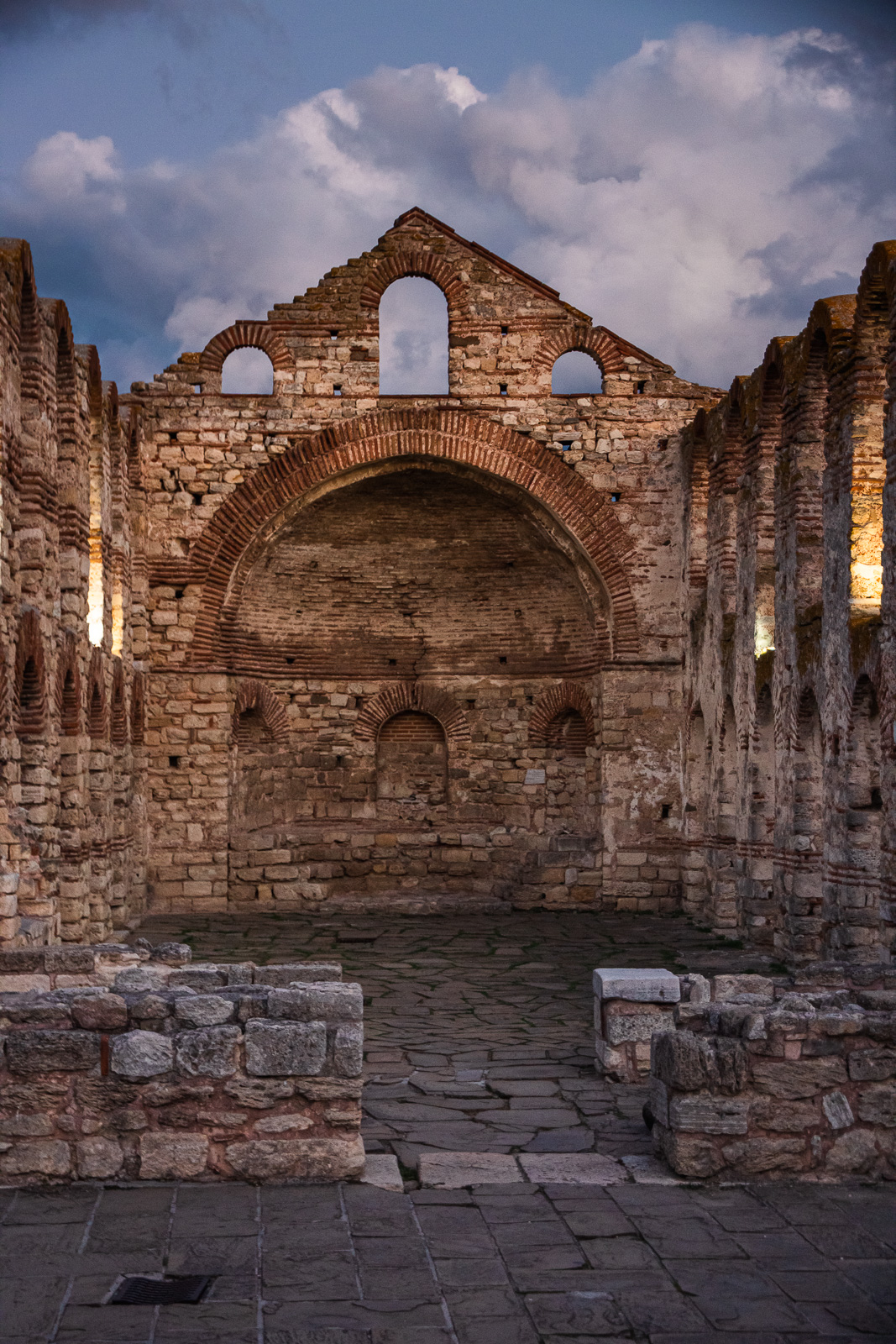
Nessebar is one of those places that sneaks up on you - it’s small, charming, and packed with things to see and do. From churches and cobbled streets to boat trips and wine tastings, here’s why you should add it to your Black Sea travel plans.