Last updated on May 25, 2026

Map of Sozopol beaches
The beaches around Sozopol stretch across a surprisingly long section of coastline, from Chernomorets in the north to Alepu in the south. Clicking on the map below will open a Google Maps list with all the beaches mentioned in this guide, which you can also save for later.

1. Chernomorets Central Beach
Chernomorets is a small coastal town with several beaches both within the town itself and nearby.
Central Beach is relatively small, but the water is calm, shallow, and unusually clear, which makes it one of the easier beaches in the area for a relaxed swim.
There are paid umbrellas and sunbeds, although there’s also enough space for towels and your own umbrella. The beach is supervised during summer, and the walk to the town centre takes around 15 minutes.
You’ll find plenty of places to eat, along with small shops and cafés around the beach and throughout the town.
2. Chernomorets South Beach
South Beach in Chernomorets is much smaller than it first appears on maps, and most of the sand is taken up by paid umbrellas and sunbeds during summer.
Still, the setting is genuinely attractive, especially because of the rocky coastline around Chervenka to the south, where the cliffs extend deep into the sea.
The area around the rocks is protected as a natural site, and you can reach it either on foot or by tourist boat. There are a few places nearby for food and drinks, although the roads leading down to the beach are in fairly rough condition.
3. Chervenka Beach
Chervenka Beach is the northernmost section of the long beach strip that runs between Chernomorets and Sozopol. People usually use “Chervenka” to describe the area closest to Cape Chervenka and Wake Park Gradina.

The beach is wide, with shallow water that stays relatively warm throughout most of the summer. Parts of the coastline are still less developed than the main town beaches.
The sand is fine and soft, while the northern end has rocky sections where people often snorkel. The bay stays fairly calm, so there are usually few waves, which also makes the area popular for water sports. There’s a surf school, wake park, and other seasonal activities nearby.
You’ll find both paid and free beach zones, plus a few beach bars and casual places to eat, although food options are more limited than on the larger resort beaches.
6. Zlatna Ribka Beach
Zlatna Ribka is one of the best-known beaches on the southern Bulgarian Black Sea coast, largely because of the campsite behind it and the long open stretch of sand between Sozopol and Chernomorets.

The beach is wide, with fine golden sand and shallow water that is usually calm, clean and warm during summer. There are plenty of water activities available, along with beach bars and casual restaurants spread across the shoreline.
Zlatna Ribka remains heavily visited every summer and is still considered by many locals to be one of the more attractive beaches in the area.
7. Sozopol “North” Beach
This is not an official beach name – it’s simply what I call the small beach area north of Sozopol, just before Zlatna Ribka, because finding any consistent naming for it online is surprisingly difficult.
The beach itself is small and fairly relaxed. A large part of the area is actually a green space connected to Marina Beach Bar by Santa Marina, which offers food, drinks, music, and sun loungers right next to the water.
This is also where the Ice Angels watersports school operates, offering windsurfing, paddle boards, kayaks, jet skis, and e-foil sessions. The bay stays relatively calm, so conditions tend to work well for beginners trying watersports for the first time.
There’s also a parking area nearby across the main road, which makes access relatively straightforward compared to some of the beaches further south.
8. Sozopol Central Beach
Central Beach Sozopol, also referred to as Sozopol Old Town Beach, is the main beach in Sozopol and easily the busiest one in town during summer. The sandy area itself is fairly spacious, but in July and August it fills up quickly, especially from late morning onward.

The bay is shallow and usually calm, with fewer waves than the more open beaches further north. The water is generally clear, and the rocky edges around the beach are good for snorkelling.
One of the things that makes this beach stand out visually is its position below Sozopol’s old town and fortress walls, especially around sunset.
There are plenty of water activities available, including jet skis, parasailing, banana boats, and water skiing, with operators based directly on the beach.
9. Harmanite Beach
Harmanite Beach is the second main town beach in Sozopol, located in the newer southern part of the town. It’s larger than Central Beach and generally more convenient for people staying in the New Town area.
The beach has a long, wide stretch of sand with both paid umbrellas and free sections for your own setup, although the free areas fill up quickly during peak season. The water is usually calm, clean, and suitable for swimming, which is part of why the beach remains popular with both families and younger visitors.

Around the beach, you’ll find a dense mix of restaurants, bars, shops, clubs, and late-night venues. That combination gives Harmanite a busier and more social atmosphere than some of the quieter beaches further outside town.
Even though it’s bigger than Central Beach, Harmanite still gets heavily crowded in July and August, especially in the afternoons. Arriving earlier makes a noticeable difference.
Access by car is easiest from the southern side of the beach, although parking is limited and mostly paid.
10. Paradise Bay
Paradise Bay is a small cove with a narrow sandy beach between Sozopol and Budzhaka, reached by a staircase descending from the cliffs above. The setting itself is naturally beautiful and more secluded than the main town beaches, which is part of the appeal.

That said, my last visit here was a few years ago and outside the summer season, and the condition of the area at the time was honestly quite depressing – litter, neglected surroundings, and very poor maintenance overall.
From what I understand, the beach bars and businesses operating there have improved maintenance standards in recent years and the area is cleaner now. Still, since I haven’t revisited personally, I’d approach it with measured expectations rather than assuming the “Paradise” part guarantees anything.
11. Kavatsite Beach/Smokinya Beach
Around 4 kilometres south of Sozopol are the beaches of Kavatsite and Smokinya. They’re part of the same long beach strip, with Kavatsite in the northern section and Smokinya further toward the middle. Veselie Beach continues further south (see below).

The beach here is wide and sandy, with fine sand and clean water that stays relatively warm during summer. It’s one of the more developed beach areas near Sozopol, with a long row of beach bars, restaurants, and seasonal venues spread across the shoreline.
There are both paid and free beach zones, as well as toilets and other basic facilities. During peak summer, the area becomes very busy, although mornings and late afternoons are noticeably calmer.
12. Veselie Beach
Veselie Beach is the southernmost section of the long beach strip shared with Kavatsite and Smokinya, closer to the rocky coastline at the end of the bay. The beach takes its name from the former campsite that used to operate nearby.
This part of the coast feels a bit different from the busier central sections. The beach combines fine golden sand with rockier areas that attract people interested in snorkelling, diving, or collecting mussels and rapana shells.

The water is shallow, warm, and usually calm, which makes the beach suitable for families with children as well as regular swimming.
There are paid umbrellas and sun loungers, along with a free zone for your own towels and umbrellas.
14. Alepu Beach (Driver’s beach)
Just south of Dyuni begins Alepu Beach, also known as Driver’s Beach because of the old coastal road running directly behind the sand dunes. It’s one of the best-known wild beaches on the southern Black Sea coast and sits next to the protected Alepu marsh area.
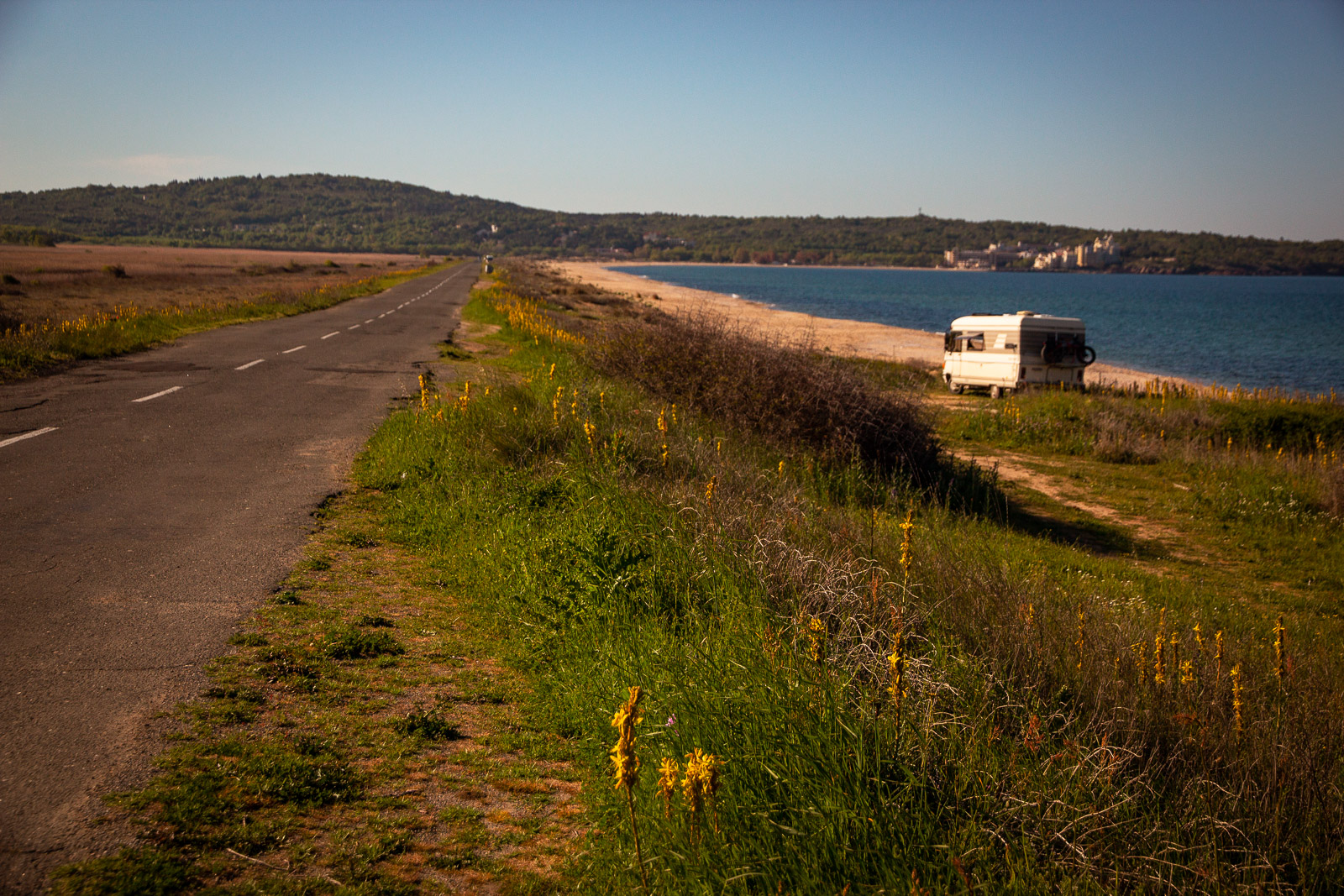
The beach is long, wide, and far less crowded than the resort beaches closer to Sozopol. The sand is light and fine, the water is usually very clear, and much of the surrounding landscape remains relatively untouched.
There are no facilities here – no bars, restaurants, or organised beach infrastructure – which is exactly why many people prefer it.
Some areas have larger underwater rocks, so entering the sea requires a bit more attention, especially when the water is rougher.
It’s also common to encounter nudists in quieter sections of the beach.
Nessebar day trips
Explore the best day trips from Nessebar, from quiet beaches and coastal towns to nature parks and cultural sites, with practical tips on what’s actually worth your time.
Read More
Sozopol Old Town
A practical guide to Sozopol Old Town for first-time visitors, covering the main sights, churches, archaeological sites, beaches, museums, and local history in a way that is easy to actually understand while walking through the town.
Read More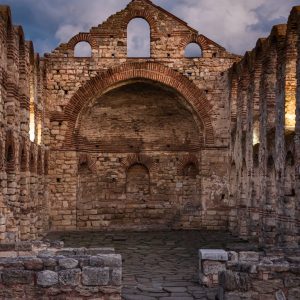
22 things to do in Nessebar
Nessebar is one of those places that sneaks up on you - it’s small, charming, and packed with things to see and do. From churches and cobbled streets to boat trips and wine tastings, here’s why you should add it to your Black Sea travel plans.
Read More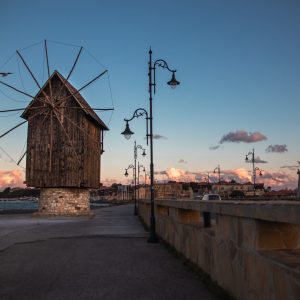
Nessebar Old Town
Looking for a day trip that mixes history with seaside charm? Nessebar Old Town has it all - ancient churches, cobbled streets, sea views, and plenty of cozy spots to eat and wander.
Read More
Rilska Skakavitsa Waterfall
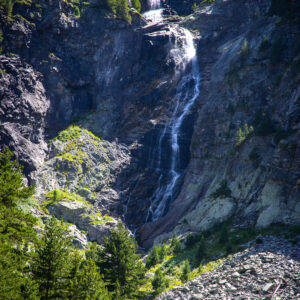
Rilska Skakavitsa is the highest waterfall in Rila, but reaching it takes a proper mountain hike. Here’s everything you need to know before you go, from parking and trail details to the confusing bits where getting lost is surprisingly easy.
Read More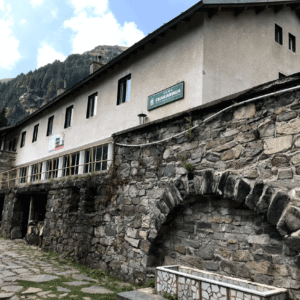
Skakavitsa Hut
Skakavitsa Hut is the oldest mountain hut in Bulgaria and one of the most interesting places to stay in northwestern Rila. Here’s everything you need to know before your visit, from hiking routes and nearby sights to the hut’s history, facilities and contact details.
Read More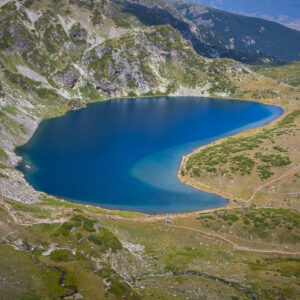
Seven Rila Lakes
The Seven Rila Lakes are one of Bulgaria’s most popular mountain hikes, but don’t let the crowds fool you - this is not an easy walk in the park. Here’s everything you need to know before hiking the Seven Rila Lakes, from getting there and taking the lift to following...
Read More
Events in August 2026
Discover the best festivals, cultural events, folklore celebrations, food fairs, concerts, and local traditions happening across Bulgaria in August 2026.
Read More