
Last updated on October 20, 2026
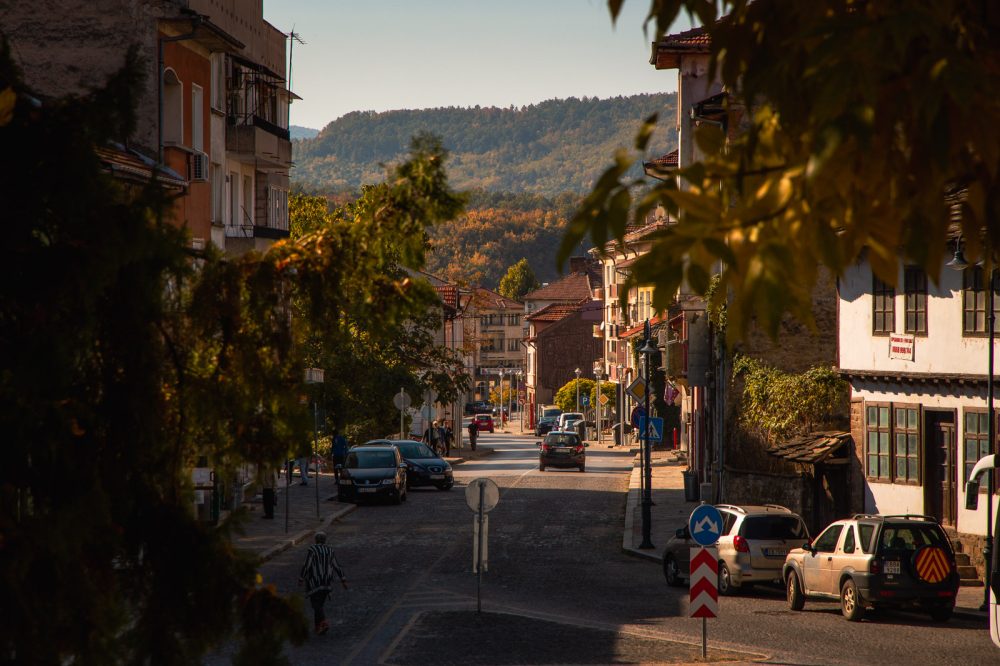
Dryanovo map – save it before you visit
I’ve put together a Google Maps list of the places mentioned in this guide to help you plan your visit. Save it before you head to Dryanovo so you can easily find the sights, hiking trails, and nearby villages as you explore.
1. Learn about Bulgaria’s most famous architect and builder, Kolyo Ficheto
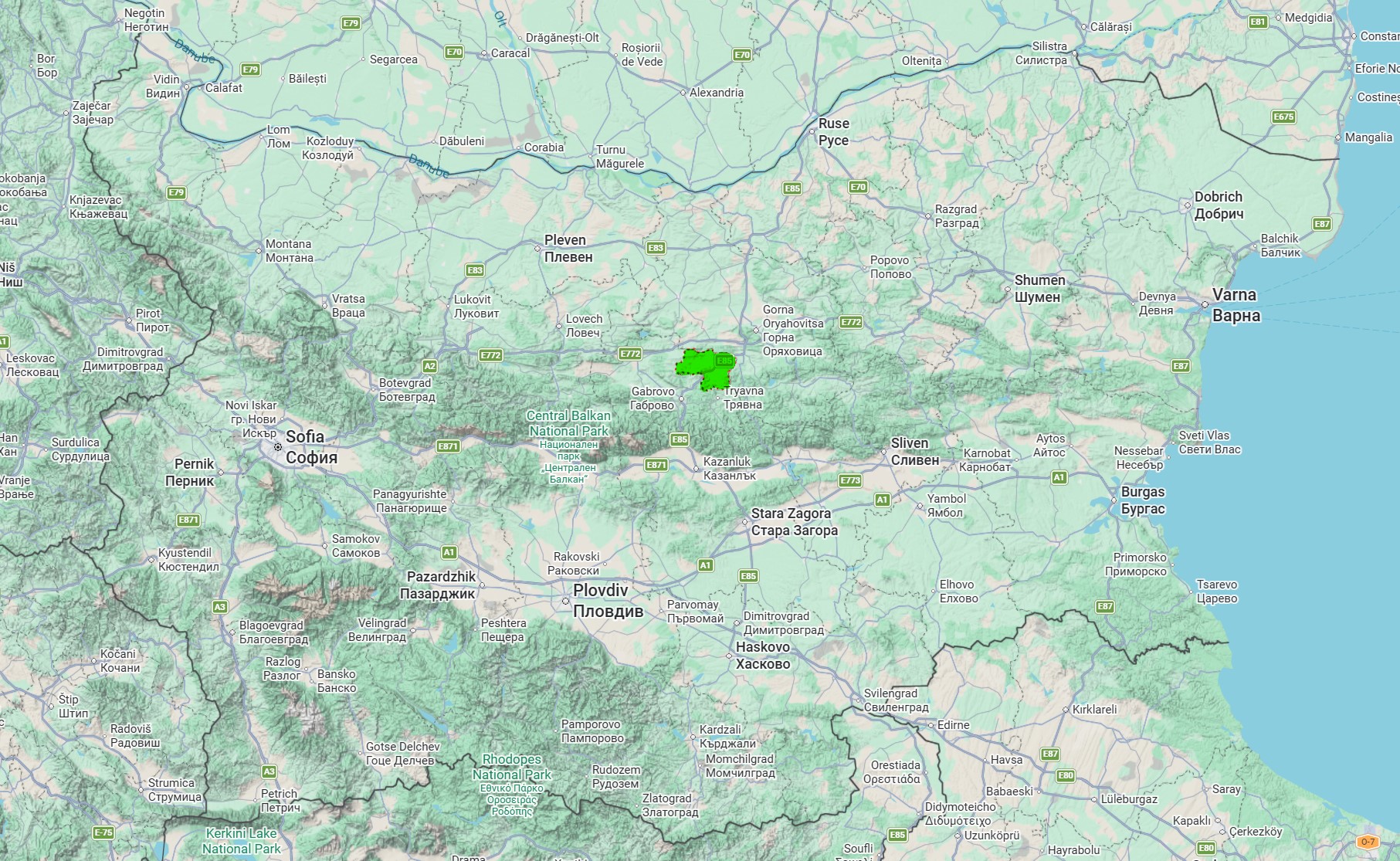
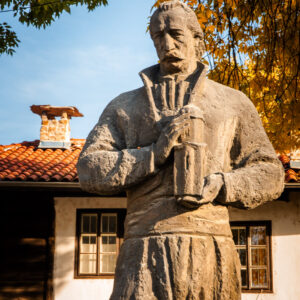
Start with the iconic monument to Kolyo Ficheto, perhaps Bulgaria’s most famous Revival-era builder, architect, and sculptor. Dryanovo is his hometown, after all!
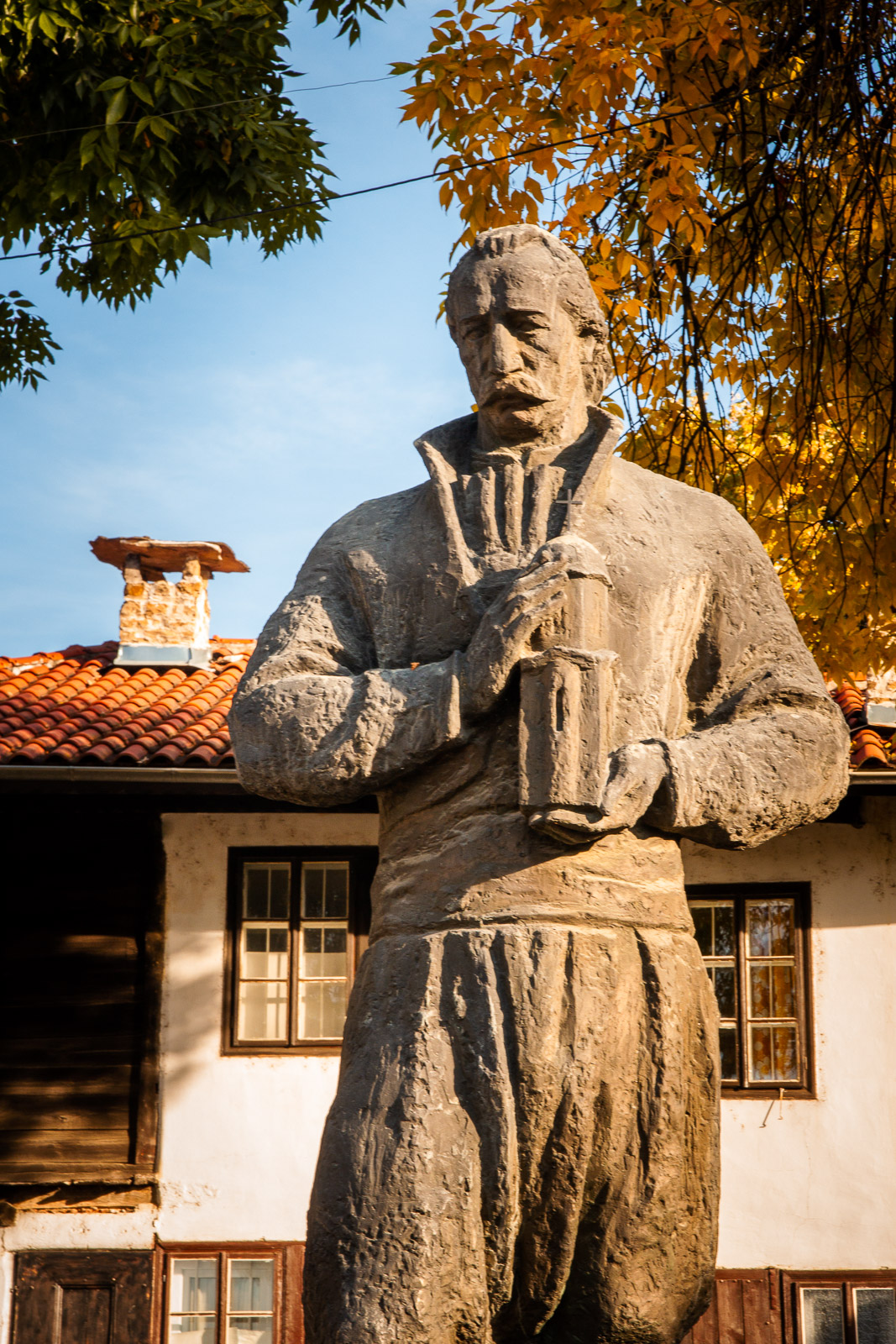
Right next to the monument, you’ll find the History Museum’s “Kolyu Ficheto – Life and Work” exhibition on the second floor. It features models of his buildings made from natural materials, portraits, and collections of masonry, stoneworking, and carpentry tools used during the Bulgarian National Revival.
The museum is also Site No. 22a on Bulgaria’s 100 National Tourist Sites list, so you can get a stamp for your collection here.
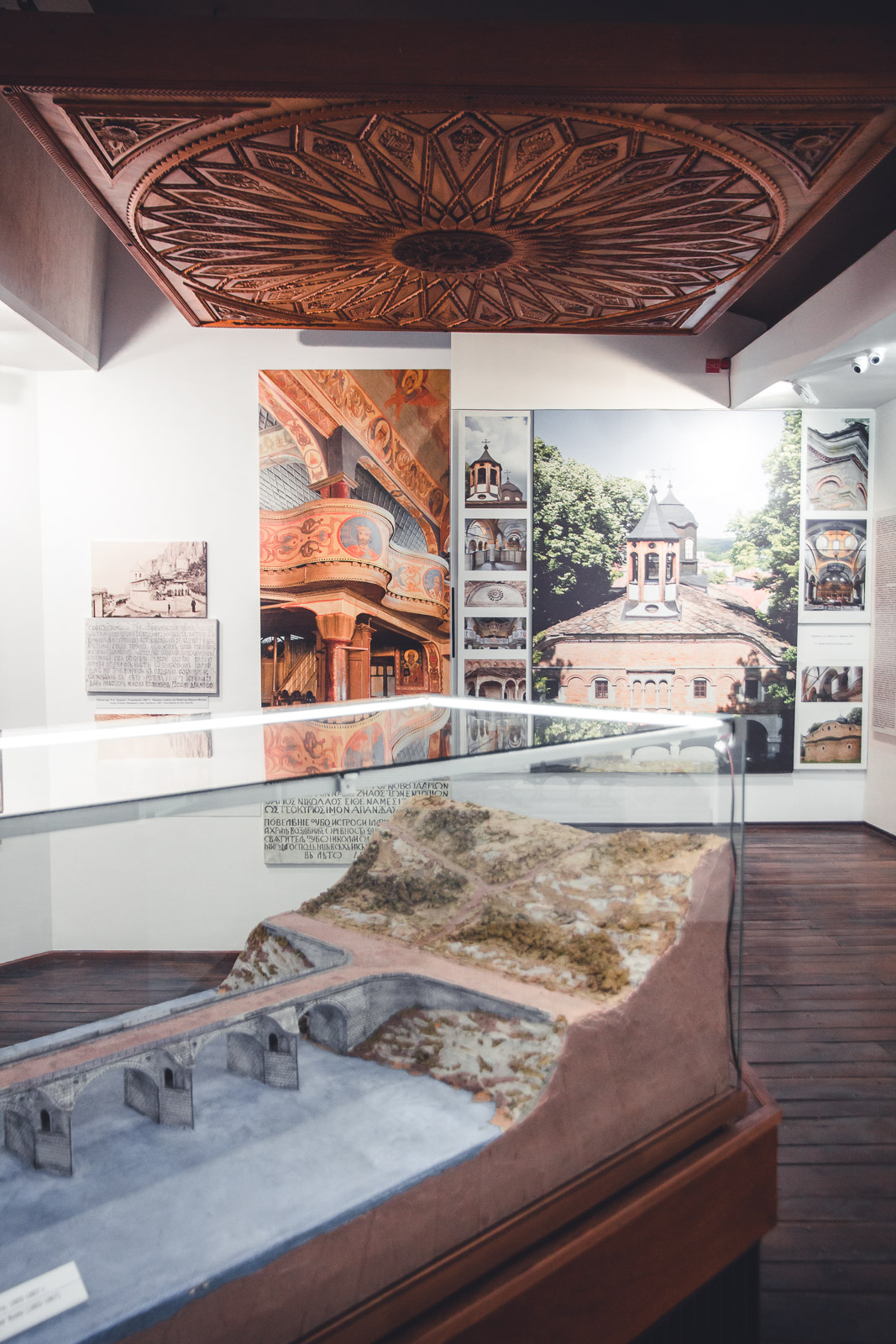
2. Discover a unique mineral collection in a house built without a single nail
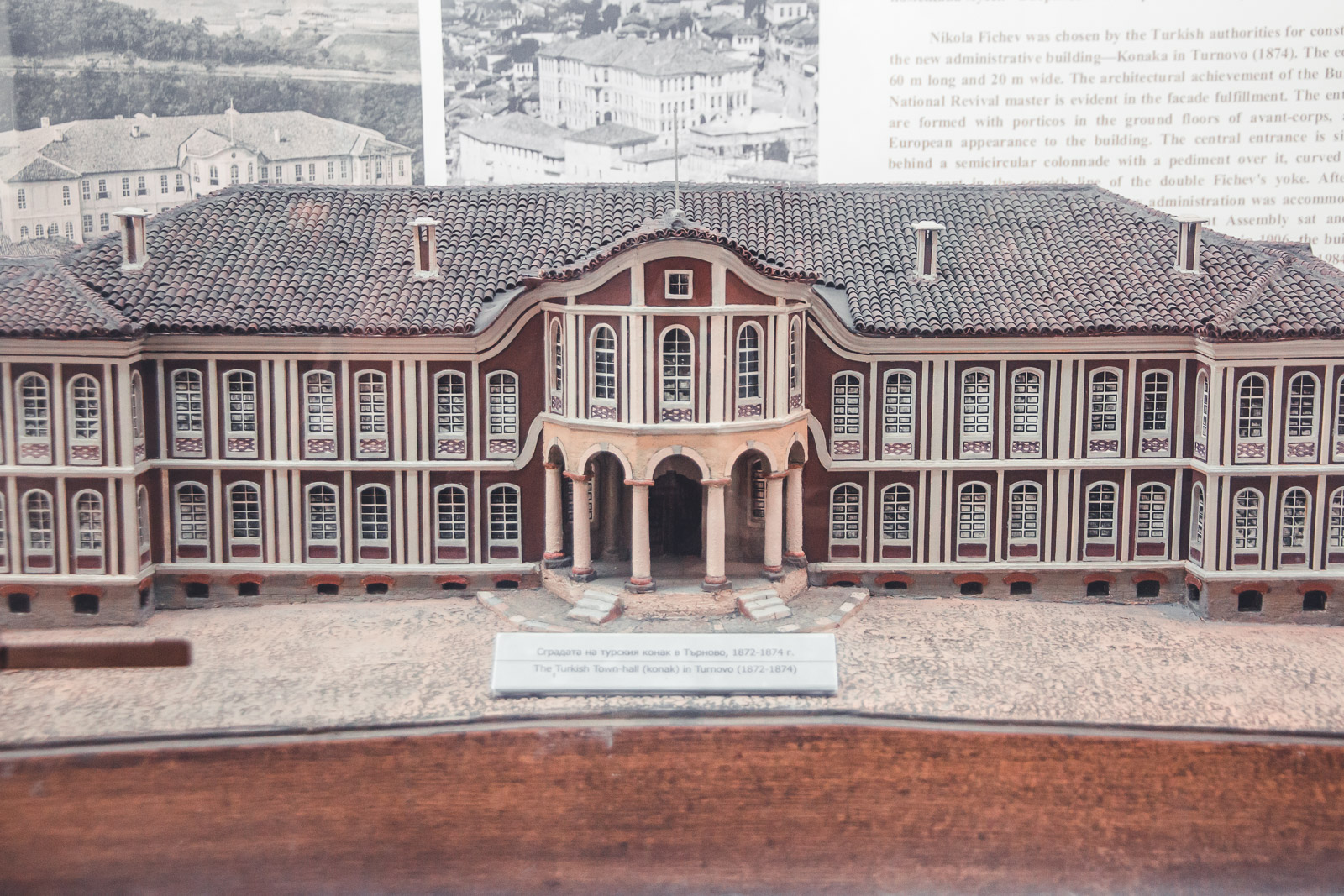
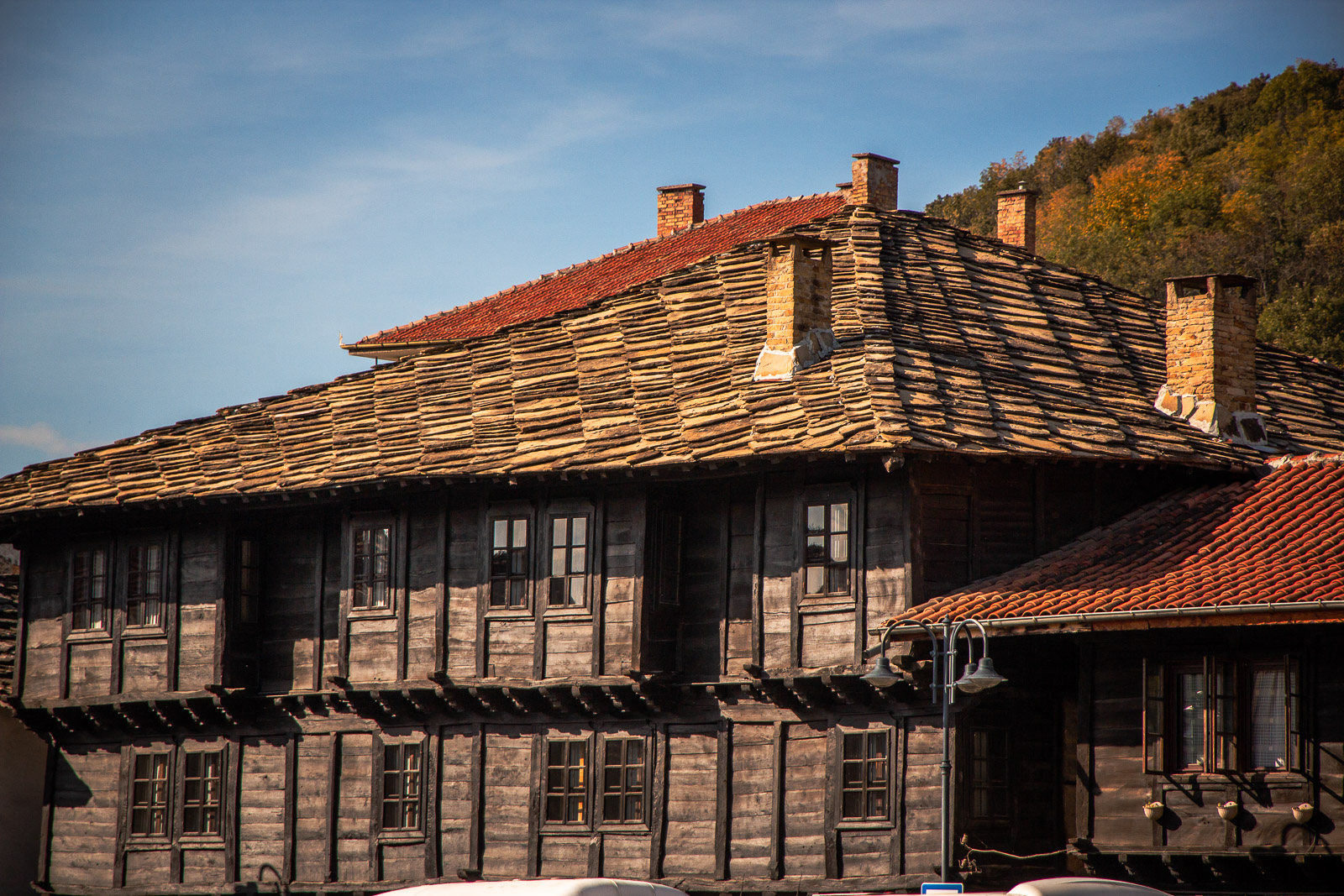
The next stop is Lafchieva House, an impressive three-storey building famous for being constructed without a single nail or metal bracket.
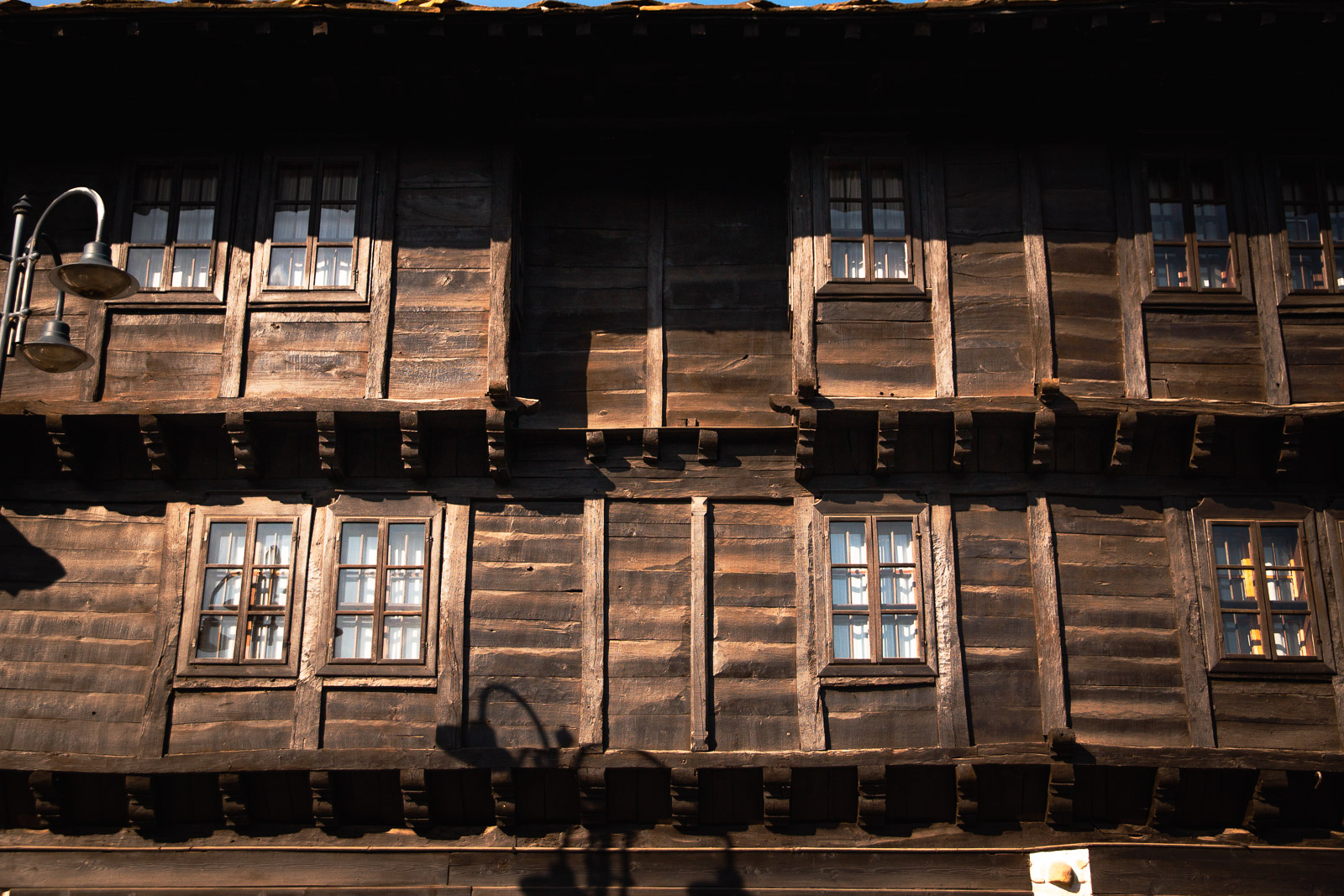
Built in 1840 by master builder Kolyo Gaydardzhi, the house was shared by two wealthy merchant families, the Lafchiev and Perev families.
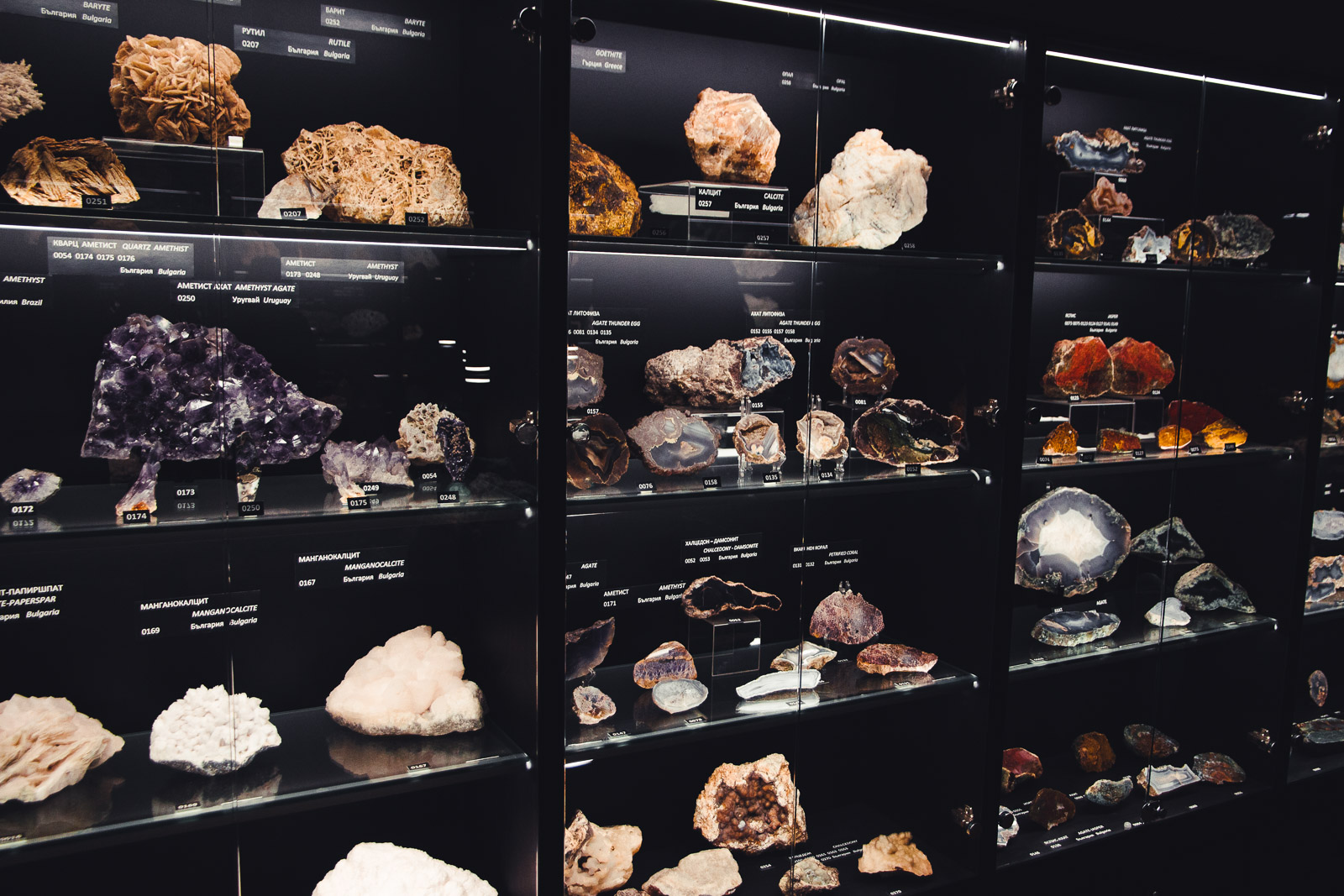
The ground floor once housed a shop. Today, it hosts the exhibition Created by the Earth, featuring over 270 mineral specimens from around 80 deposits. The collection was donated to the History Museum by Ventsislav Panev, a local resident of Dryanovo.
On the second floor, accessible via the stairs and inner courtyard, you’ll find an exhibition showcasing urban life in the region from the late 19th to the early 20th century. It features antique furniture, everyday household objects, and both festive and everyday clothing from the period.
3. Step inside a monastery school and see how students used to spend their day
Our next stop is just nearby: Holy Trinity Church, the oldest church in Dryanovo. It’s small, but its altar features beautifully detailed woodcarvings and icons.
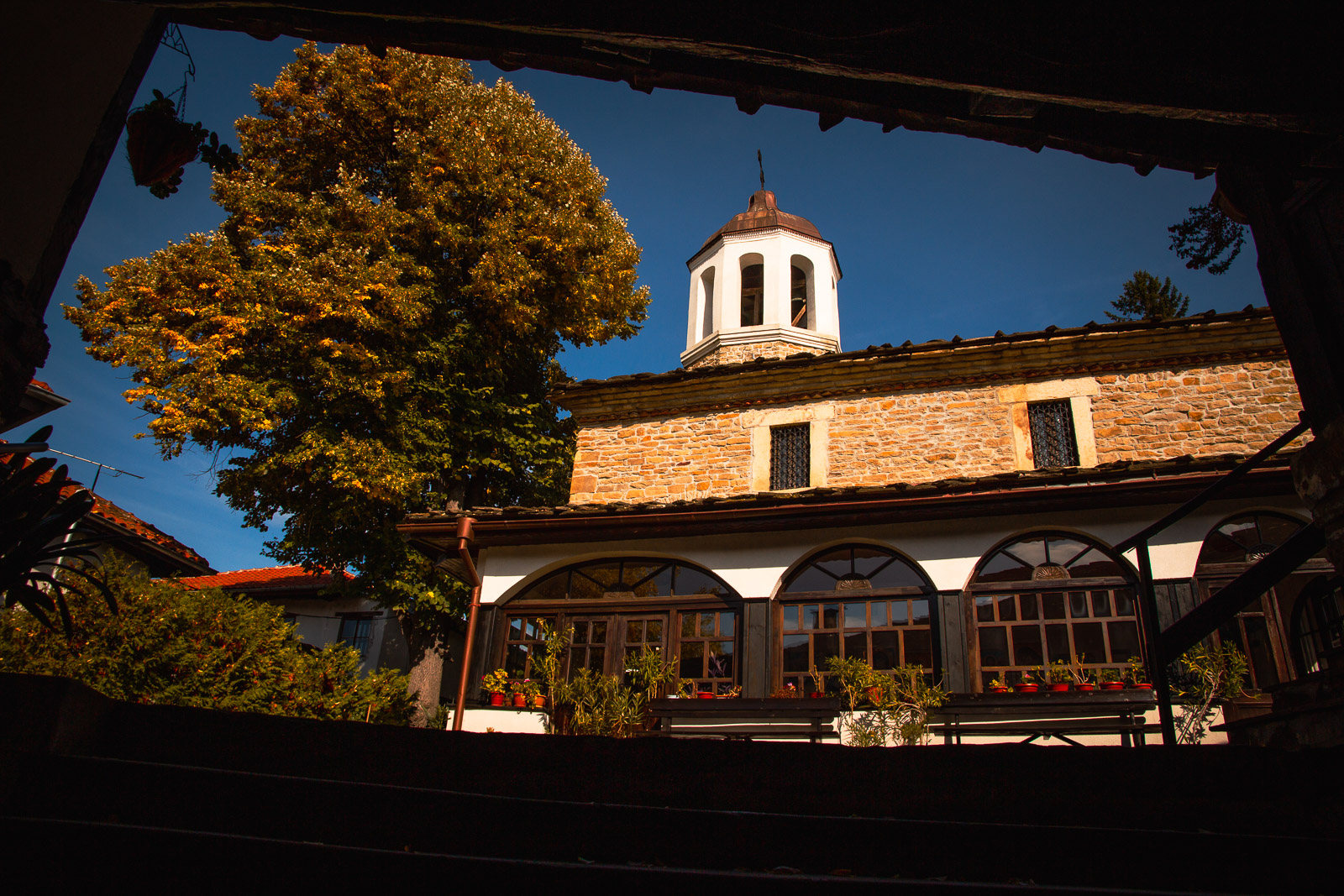
According to Father Ivelin, this is the only church in Bulgaria with a carved wooden sun rosette on its ceiling. The design is characteristic of the Tryavna woodcarving school.
Opposite the church entrance, you’ll find a reconstructed monastery school. These were religiously oriented primary schools during the Ottoman rule of Bulgaria. This reconstruction is the result of dedicated volunteer work, with exhibits collected patiently and lovingly over time. Don’t just walk past it – step inside!

4. Admire Kolyo Ficheto’s craftsmanship at St. Nicholas Church
Don’t miss St. Nicholas Church, built by master builder Kolyо Ficheto in 1851.
The church features several distinctive architectural elements:
- An integrated bell tower, built into the main structure rather than standing separately. This was an innovative architectural solution in Bulgaria.
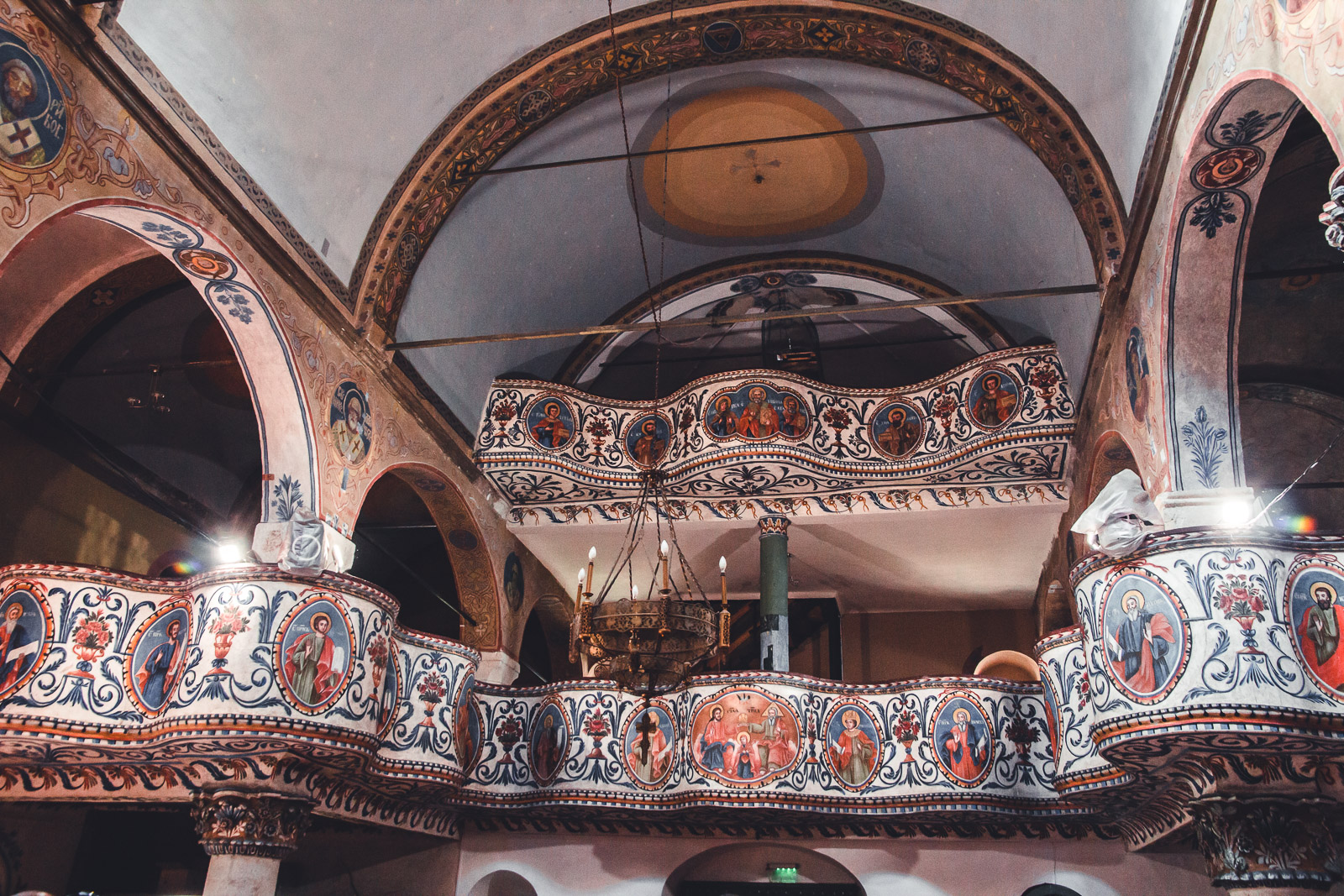
- Two curved balconies for women, finished with elegant, flowing lines.
- A wide, projecting exterior cornice that stands out from the building.
- Exterior arches surrounding the church.
- Red brick decorations above each window, following the curves of the arches.
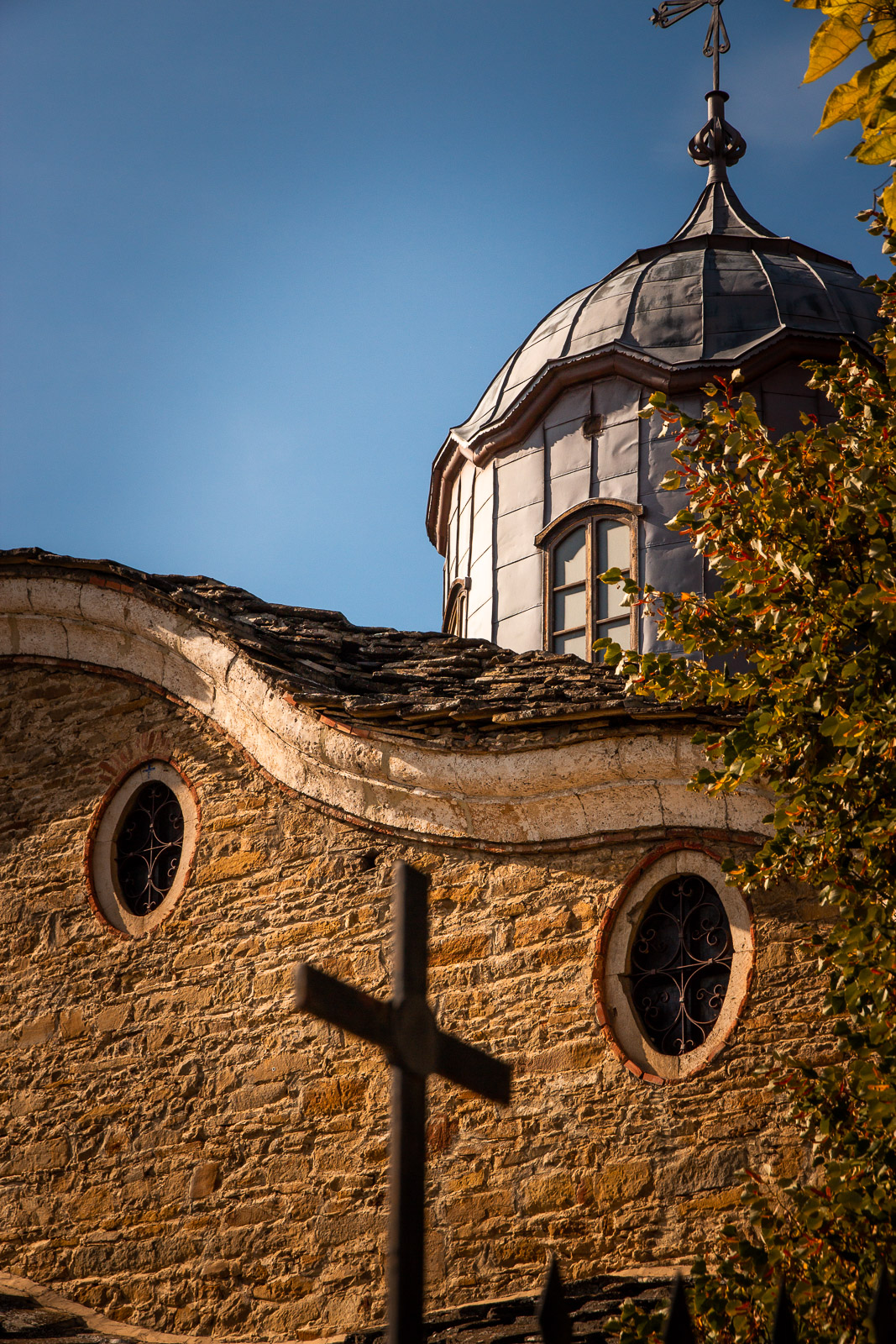
There are probably more architectural details worth spotting, but I’ll leave the expert analysis to the professionals. Take your time exploring the building and ask questions if you get the chance.
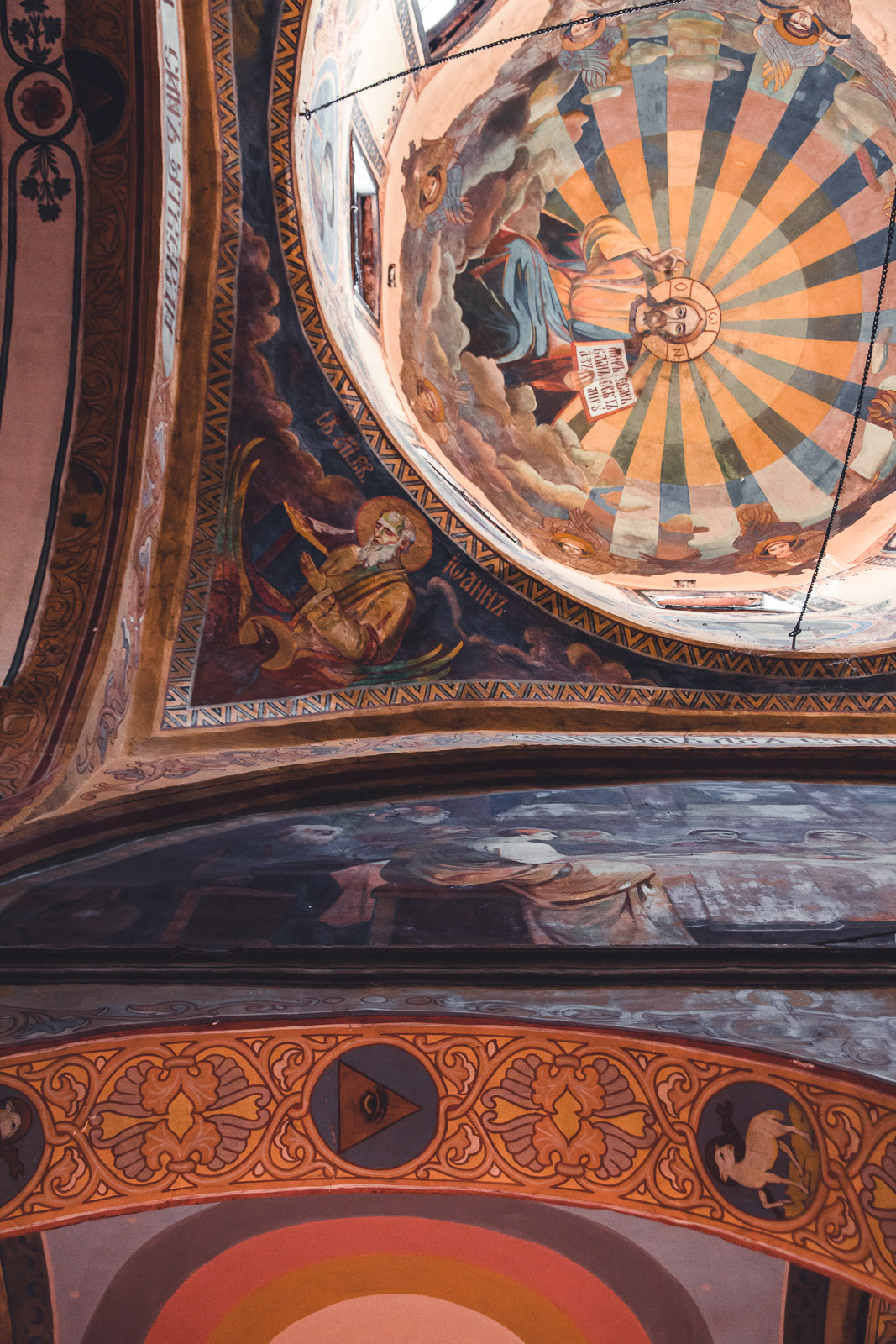
Inside, the church is richly decorated with beautiful frescoes by Stanislav Dospevski, the nephew of Bulgaria’s legendary icon painter Zahari Zograf. You’ll also find an impressive gilded altar. It’s a genuinely memorable place to visit.
5. Explore Bulgarian National Revival church art at Ikonomova House
Before continuing to Dryanovo’s Clock Tower, make a stop at Ikonomova House, another architectural work by Kolyu Ficheto. And no, this won’t be the last of his works you’ll see in Dryanovo!
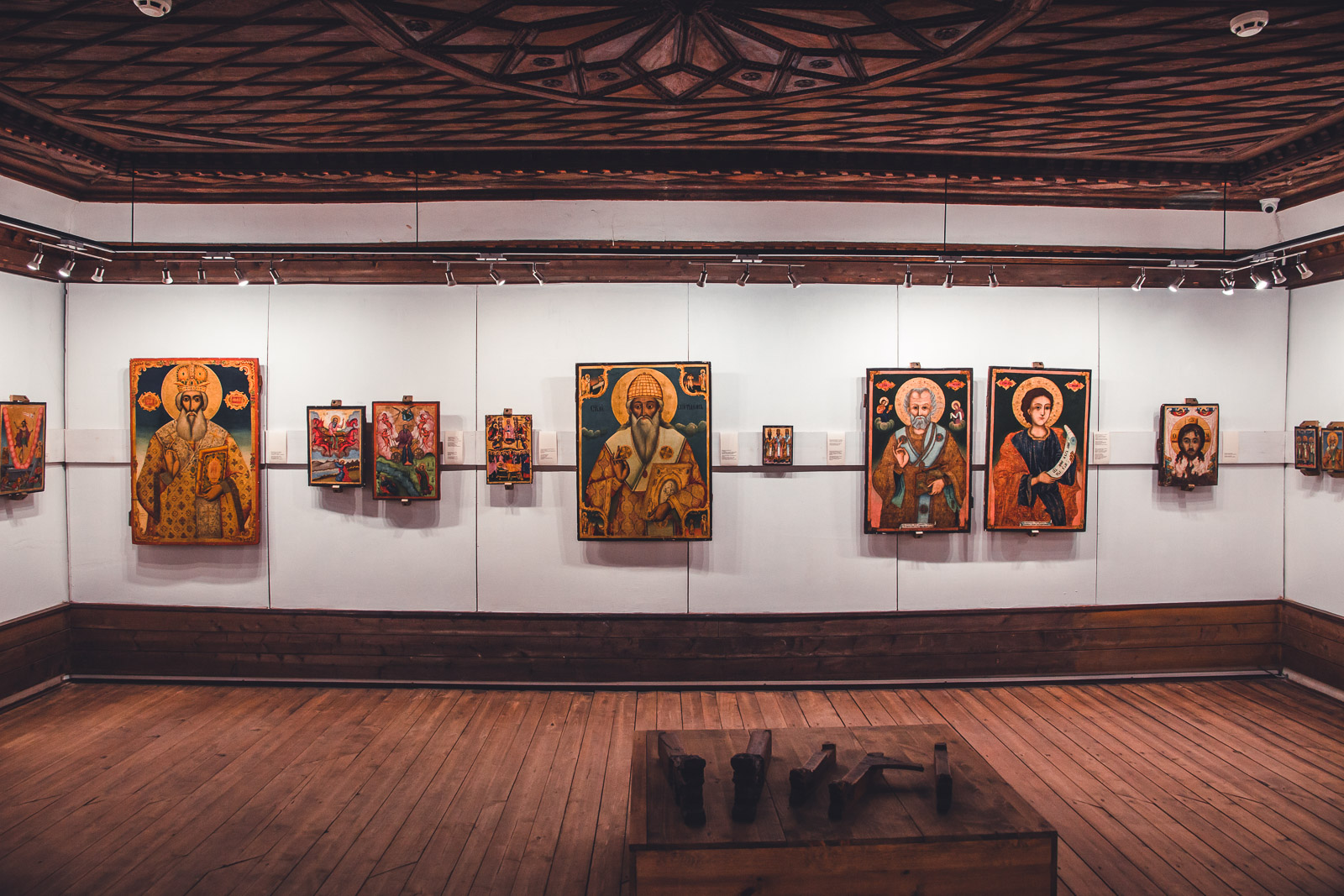
From the street, the house might not look particularly impressive, especially if you’ve visited other Bulgarian Revival-era houses. Don’t skip it, though. Head through the entrance into the inner courtyard to admire the other side of the facade, featuring a distinctive triple-curved bay window.
The house once belonged to Father Vasil Ikonomov. Today, it showcases Bulgarian National Revival church art through a collection of over 150 icons, woodcarvings, and fresco fragments.
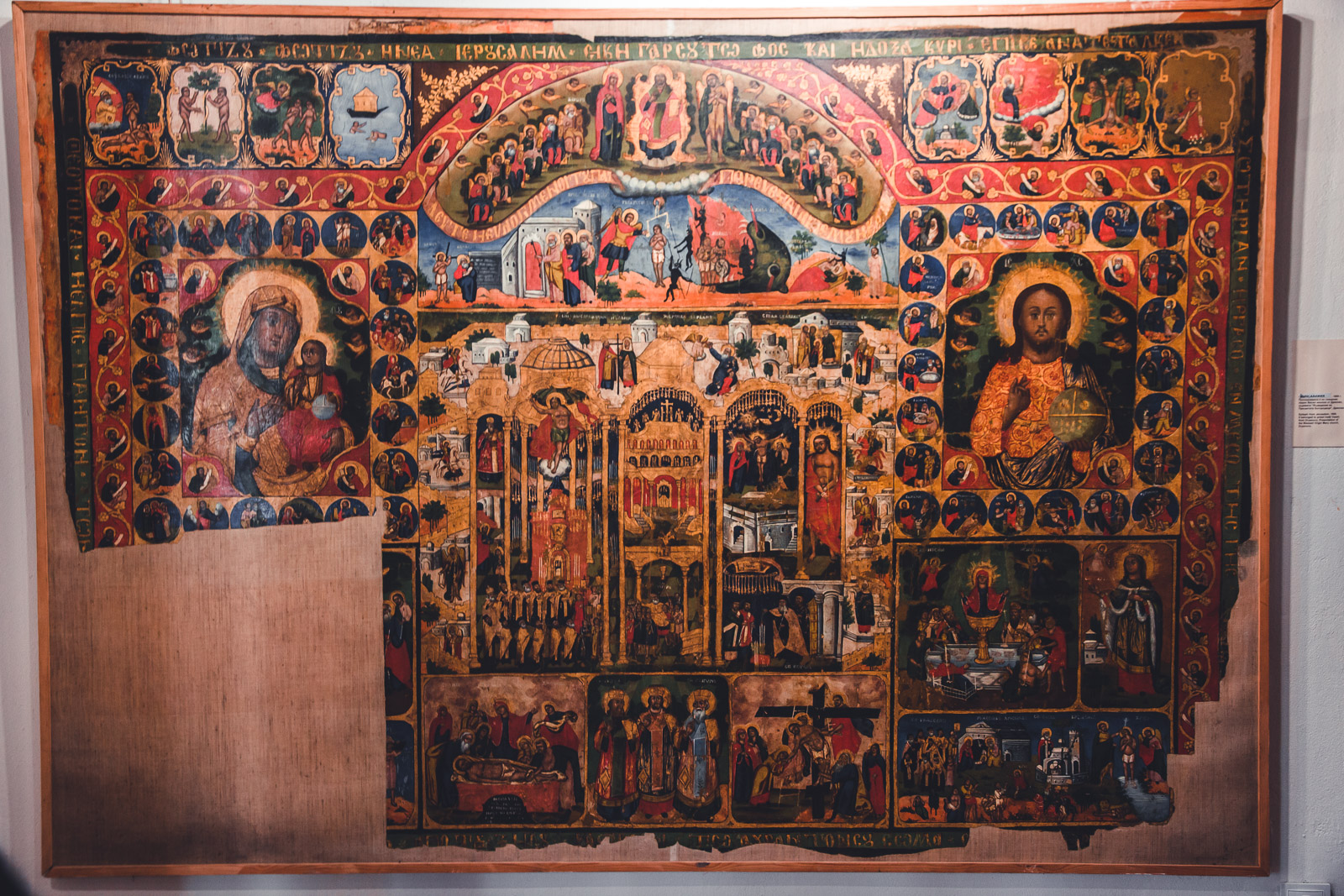
On the second floor, you’ll find the icons and woodcarvings. At the top of the stairs, look to your left for a Yerusalimiya from 1859 (I think it’s called Proskynetarion), brought back from Jerusalem by Father Vasil Ikonomov himself. The collection also includes triptych home icons and carved wooden ceiling rosettes known as suns.
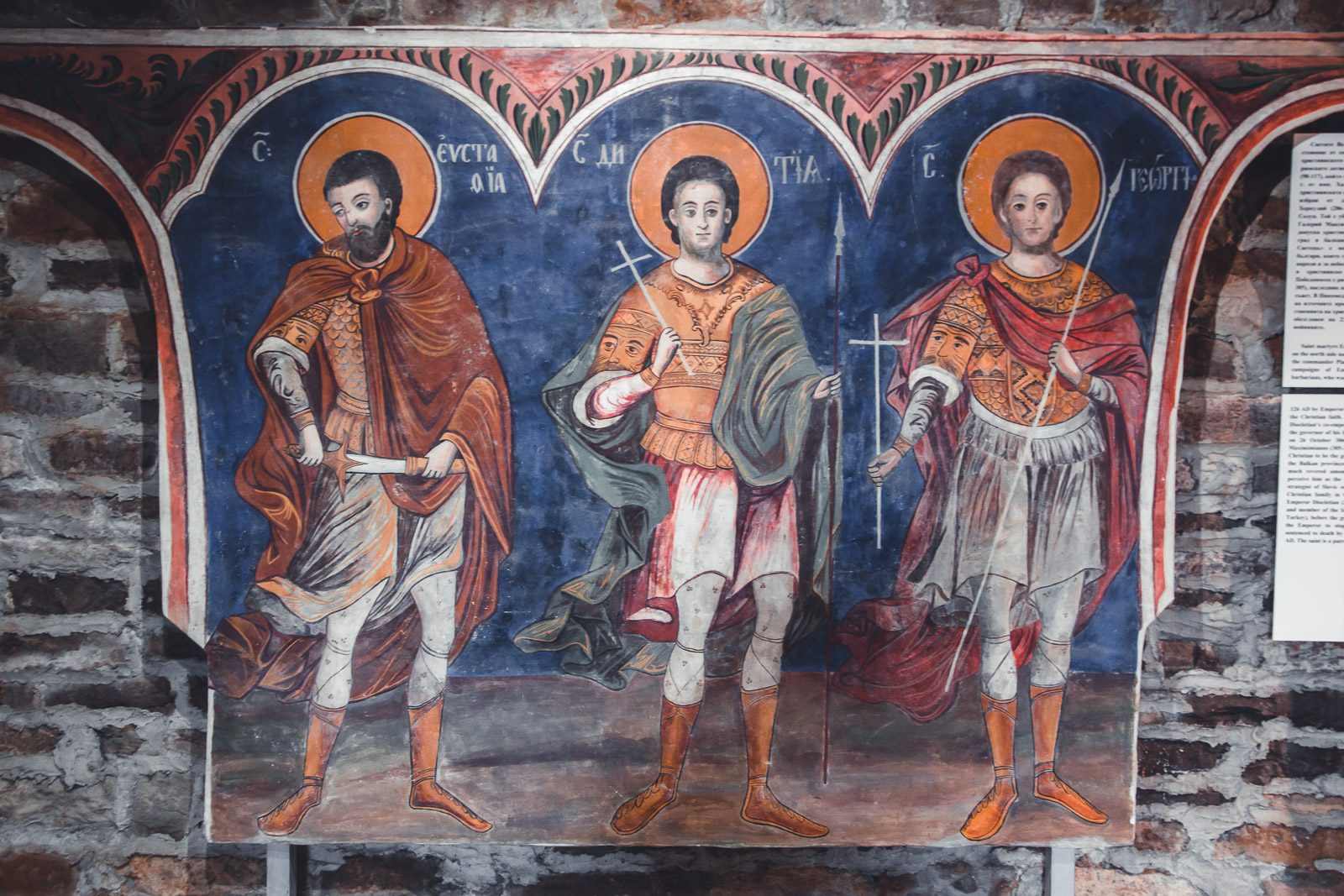
The basement houses fresco fragments from a church in the village of Kalomen. As the church was at risk of collapse, the fragments were removed and sent for restoration by students from the Restoration Department at the National Academy of Art in Sofia. They’re now preserved here.
The ground floor hosts temporary exhibitions, so what you’ll find depends on when you visit.
6. Step onto a map of Bulgaria, just like Joey from Friends
Right next to Ikonomova House, you’ll find two more local landmarks: Dryanovo’s Clock Tower and the relief map of Bulgaria. And yes, one of them lets you channel your inner Joey Tribbiani!
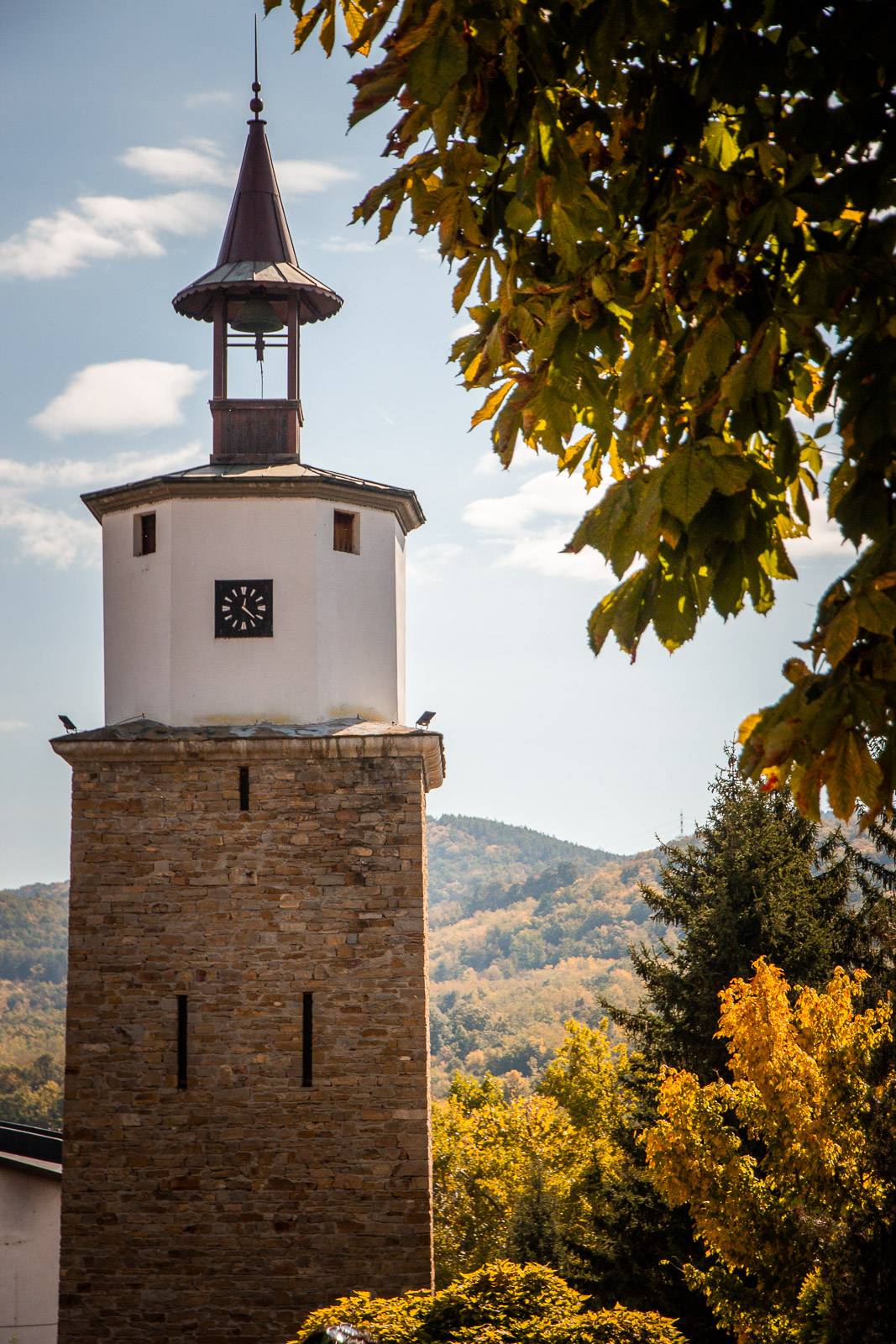
The Clock Tower is hard to miss, but here’s something worth knowing: it’s a reconstruction of the original tower, demolished in 1945. The original stood where the Mother Bulgaria monument is today, although its clock mechanism has been preserved.
Next to it, you’ll find the relief map of Bulgaria, described as the country’s largest, most detailed, and most accurate relief map. It was created by teacher Bonka Tihova and her students using cement and paint.
The map once had a rather fun feature: a system of pipes supplied running water to its rivers, which flowed all the way into the Black Sea. Unfortunately, a technical fault means this little spectacle is no longer possible. Fingers crossed they find a way to bring it back!
7. Walk across Kolyo Ficheto’s only surviving original bridge
Continue your walk downhill along “The Old Street”, which connects the town centre with Kolyu Ficheto’s bridge. Along the way, you’ll pass Revival-era houses dating back to the time when the master builder himself was growing up here.
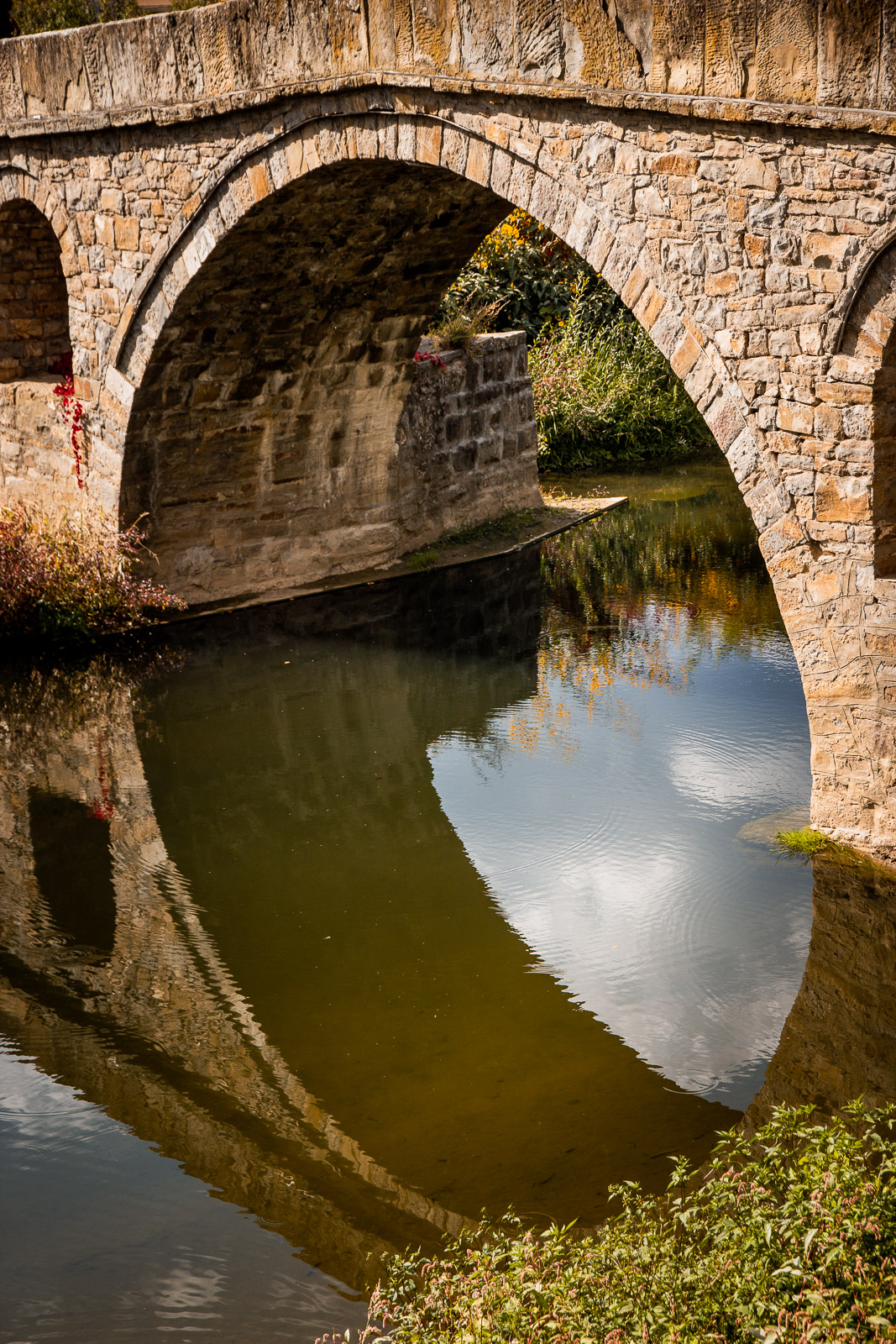
At the end of the street, you’ll reach the only bridge by Kolyo Ficheto in Bulgaria that has survived in its original state. Built in 1861 (over 160 years old!), it connects the two banks of the Dryanovska River. The fact that it has withstood the river’s waters for so long is pretty impressive!
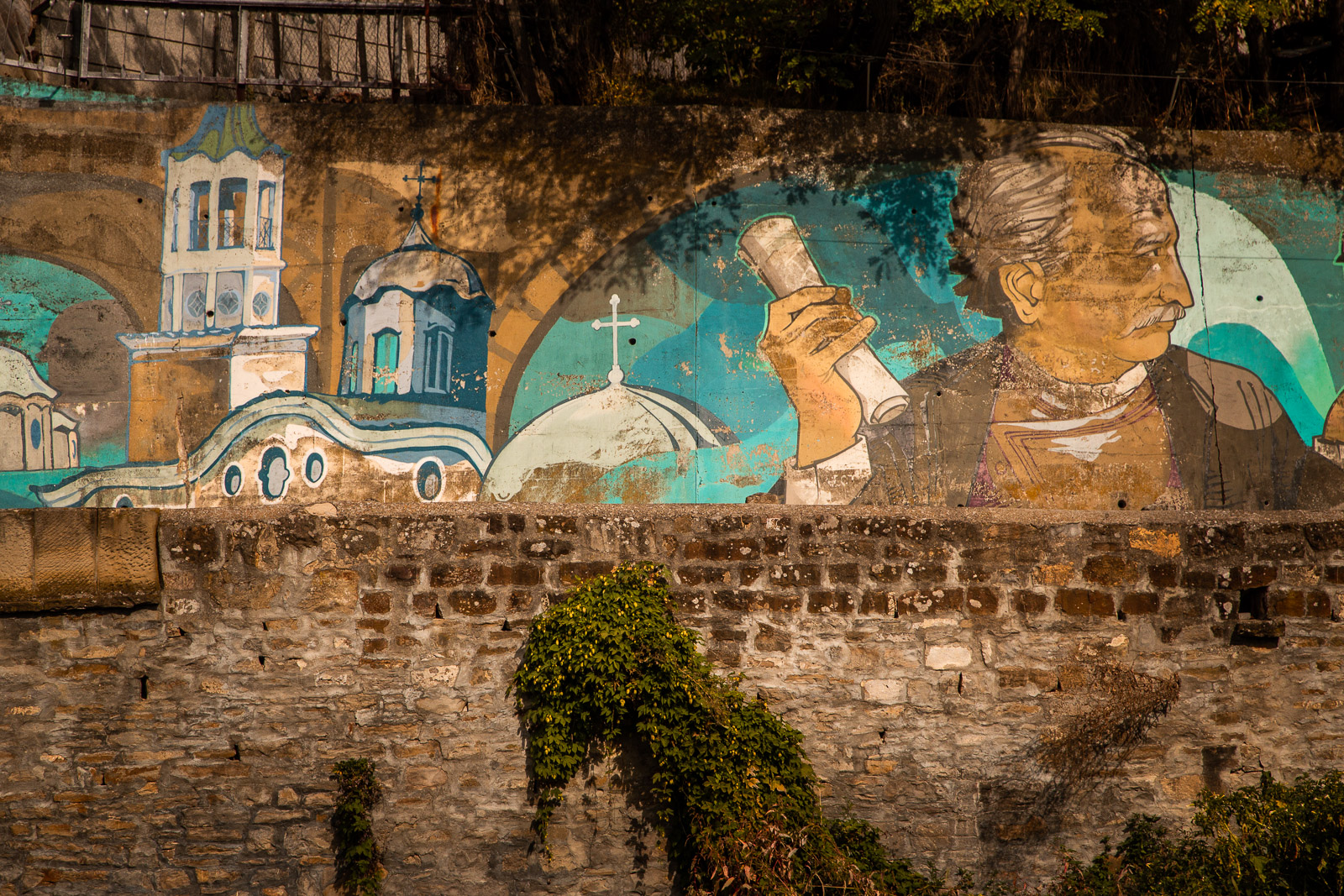
Right next to the bridge, you’ll also find graffiti artwork on a concrete wall. The artists pay tribute to Kolyo Ficheto and his craftsmanship, adding a modern touch to this historic spot.
8. Step back into the April Uprising at Dryanovo Monastery
Dryanovo Monastery, dedicated to St. Archangel Michael, was founded in the early 13th century and is still active today. It has long been an important spiritual and educational centre, even during Ottoman rule. Today, it attracts believers and visitors from Bulgaria and abroad.

The monastery played a key role in the April Uprising and Bulgaria’s struggle for liberation. In 1876, the rebel band led by Pop Hariton and Bacho Kiro gathered in nearby villages before arriving at the monastery where they fought against thousands of Ottoman soldiers and bashi-bazouks for nine days.
While visiting, you can explore the monastery churches, monuments, and history museum. You can also enjoy a meal at the restaurant or even stay overnight in the monastery’s hotel.
If you want to stay near Dryanovo Monastery, Strinava Campsite and Bacho Kiro Hut are two alternatives to the monastery’s hotel.
Strinava Campsite is right next to the river. You can book a wooden bungalow with two beds or bring your own tent. The campsite also hosts the annual Running Free Festival, an open-air metal festival held towards the end of August. So, if you like your nature with a side of heavy metal, you know where to go!

Bacho Kiro Hut is also close to the monastery, but I’d check its current status before relying on it for an overnight stay. Its recent social media posts make it look more like a venue for private celebrations than a traditional mountain hut. Hopefully, I’m wrong!

10. Cool off by one of Dryanovo’s waterfalls
The Dryanovska River flows through Dryanovo and the area around Dryanovo Monastery, Strinava Campsite, and Bacho Kiro Hut. Along the way, you can visit two waterfalls: Siniya Vir and Dryanovo Waterfall.
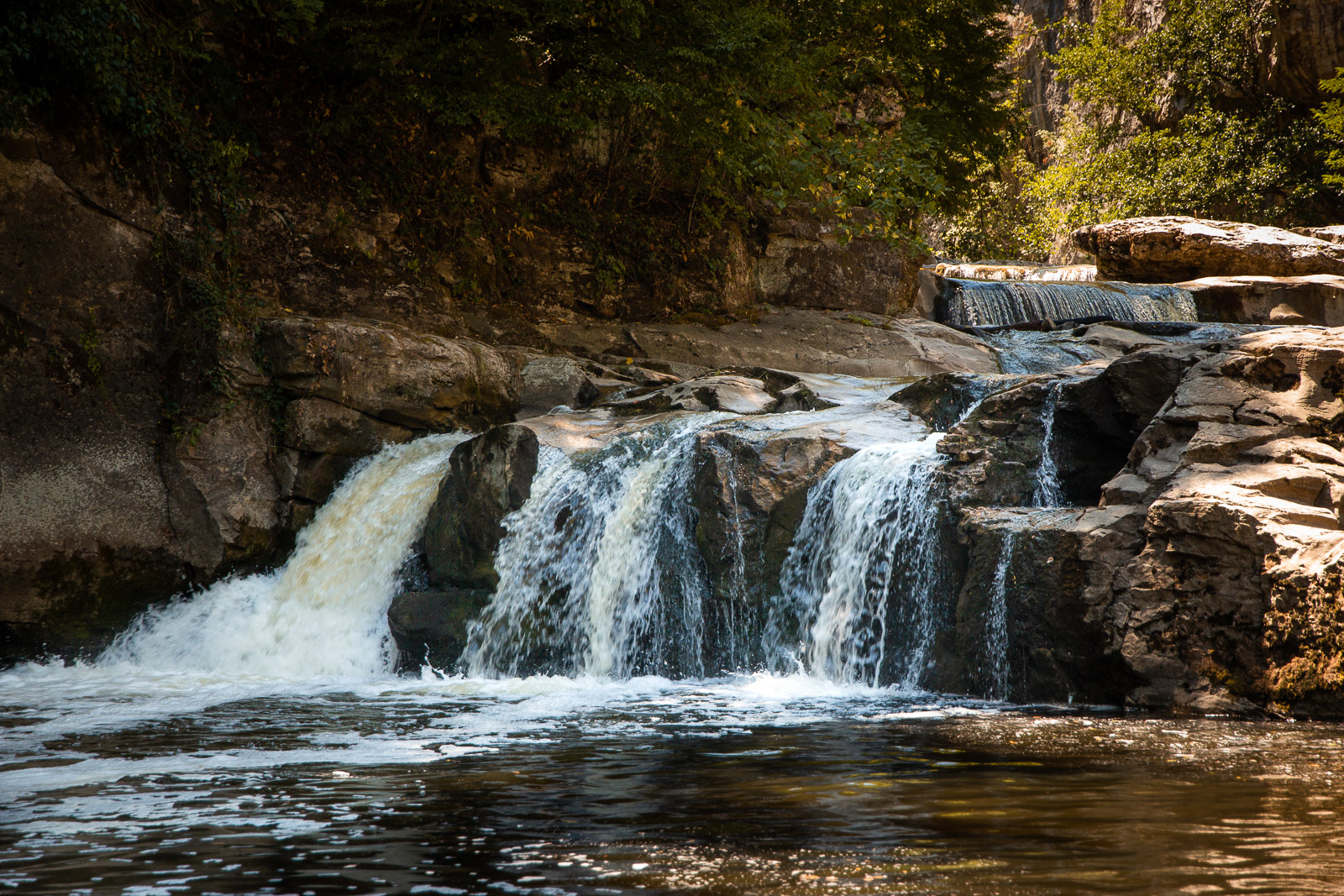
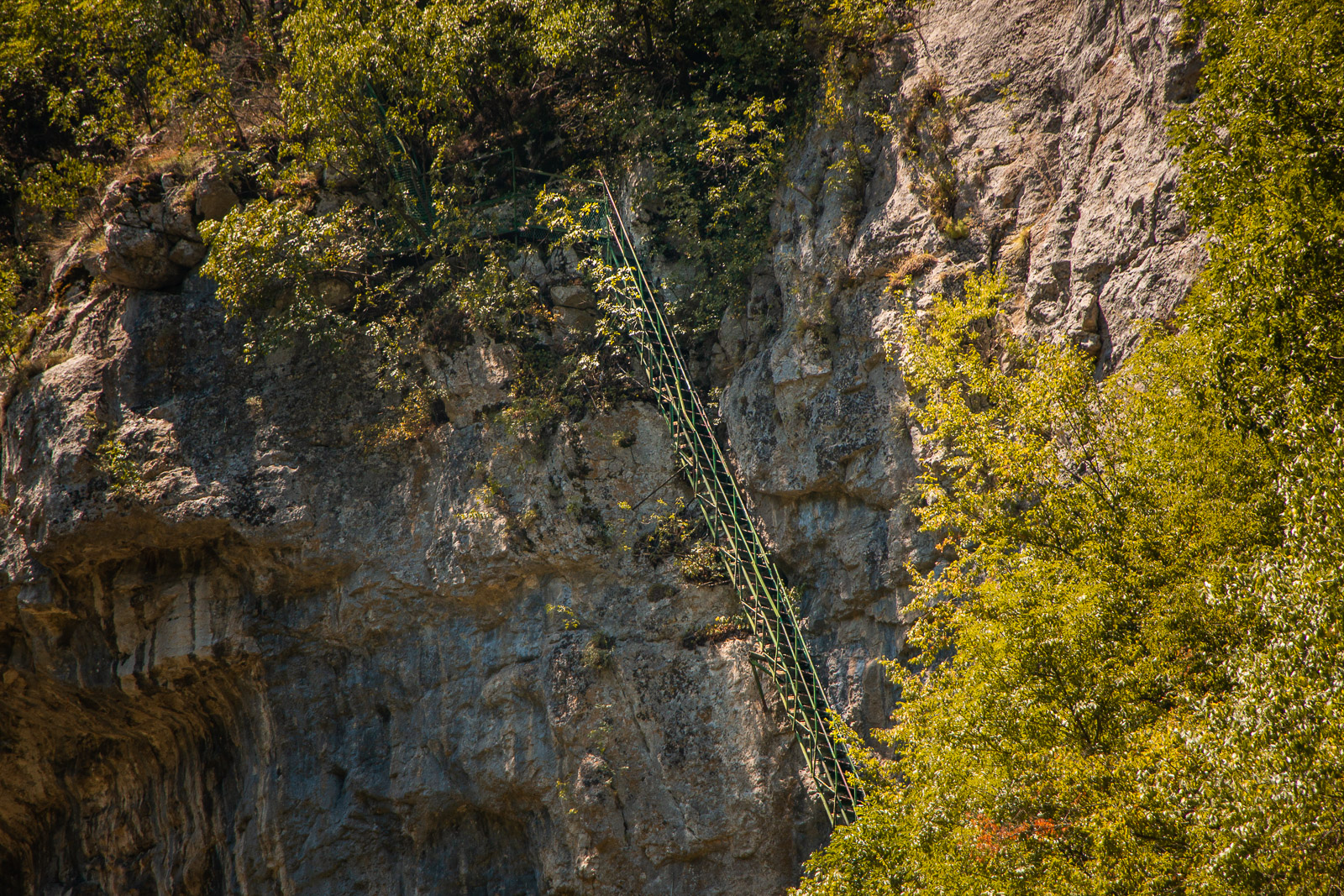
Siniya Vir is a short walk from the monastery. From here, you can also spot the metal ladder belonging to the Via Ferrata hiking route.
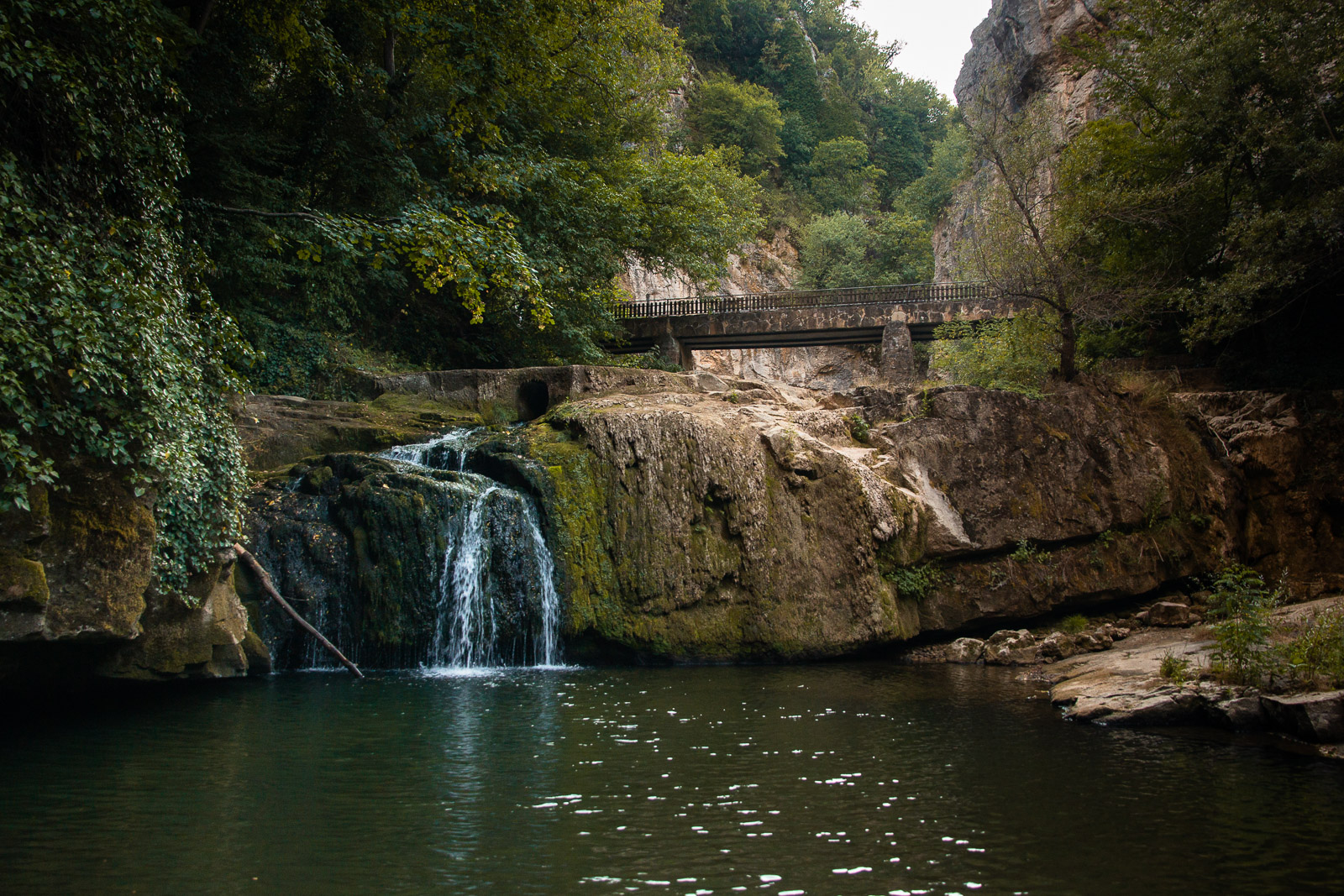
Dryanovo Waterfall is also known as Andaka Waterfall. It forms along the Andaka River, a left tributary of the Dryanovska River. You’ll find it on the way to Bacho Kiro Cave, which we’ll get to shortly.
11. Visit the cave that was home to Europe’s earliest modern humans
Bacho Kiro Cave is just a short walk from Dryanovo Monastery. It was the first developed cave in Bulgaria, earning it a place as Site No. 22 on the country’s 100 National Tourist Sites list.

There are two routes through the cave: a short route and a longer one. You can explore the short route independently, but the longer route requires a guide.
Excavations here uncovered remains of cave bears and Homo sapiens. Further research revealed that the human remains are among the oldest found in Europe.

12. Take someone special to the Bench of Love
The Bench of Love is a panoramic viewpoint above Bacho Kiro Cave, offering lovely views of the Dryanovska River canyon and Dryanovo Monastery. Look across to the rocky cliff on the right, and you’ll also spot a large iron cross.

The walk up is short and easy enough for most visitors. The spot is especially popular with locals who bring their partners here. For some couples, it’s even the place where marriage proposals happen. Romantic, with a view!
13. Explore the Dryanovo Balkan Mountains on foot
Hiking is becoming increasingly popular in the Dryanovo region, with several marked trails offering different ways to explore the surrounding nature.
Here are six routes to consider, from short walks to longer hikes:
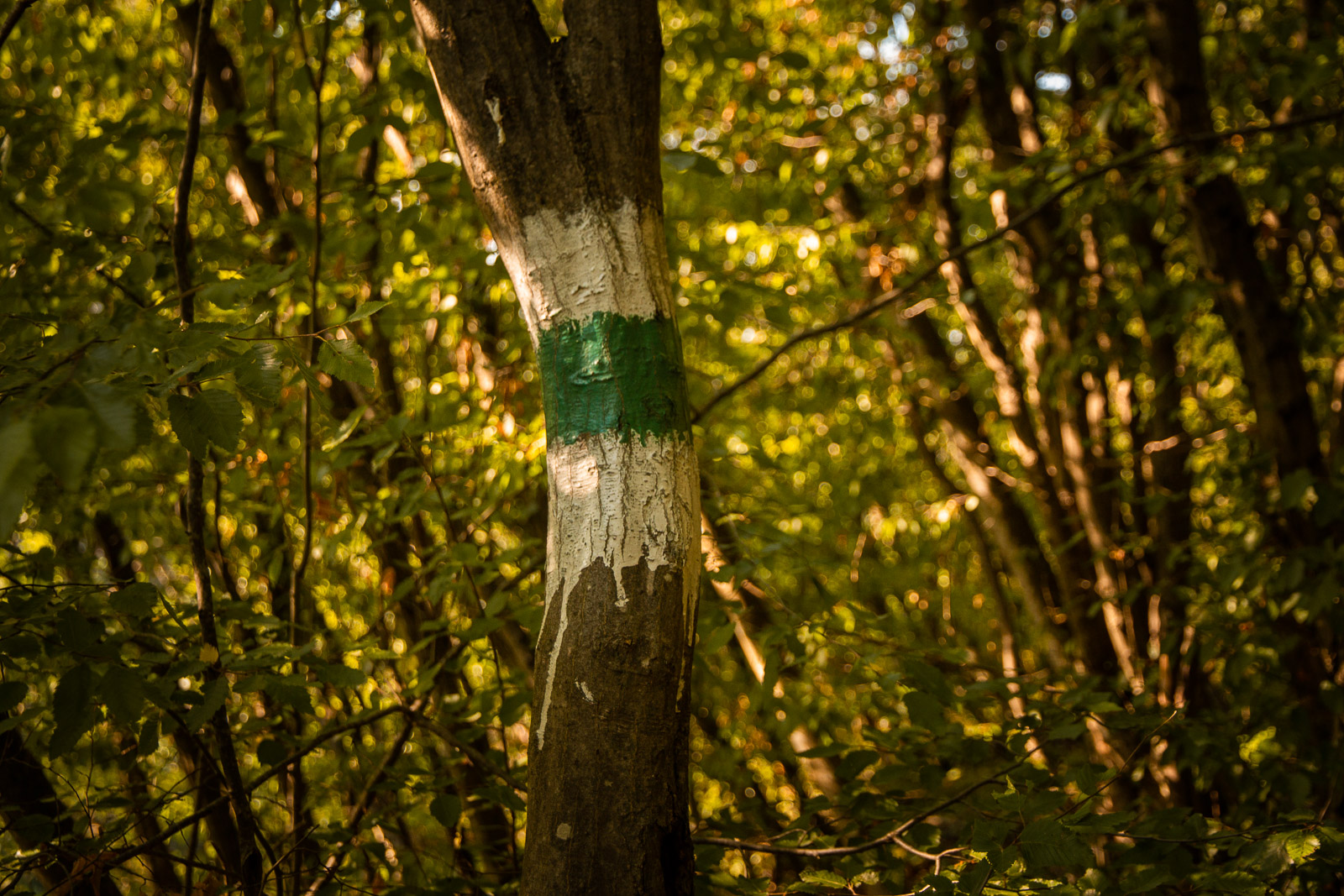
- Dryanovo Eco Trail: Starts at the entrance to Bacho Kiro Cave and winds along the Boruna rock massif. Follow the green markings, and you’ll pass the Bench of Love along the way. Visit in spring for plenty of crocuses or in autumn to spot wild cyclamens.
- Via Ferrata Eco Trail: Starts at Dryanovo Monastery. Follow the blue markings and signs along the Dryanovska River, past Siniya Vir Waterfall, and up the stairs to a plateau with scenic views.
- Dryanovo Monastery to Bozhentsi Eco Trail: Connects Dryanovo Monastery with Bozhentsi, one of Bulgaria’s architectural and historical reserves. You can hike in either direction. Follow the green markings and allow around five hours for the route.
- Kumanite to Bozhentsi Trail: Starts in Kumanite village and ends in Bozhentsi. Follow the white-red-white markings. The hike takes around 1 hour and 45 minutes, with great views of the Central Balkan peaks along the way.
- Skalsko Eco Trail: Runs for around 12 km from Skalsko village to Dryanovo Monastery. Follow the white-red-white markings. The route passes a paragliding launch site above Skalsko and through Iglika village, which has recently become known for its carpet festival.
- From Discoduratere to the Present Day: Starts in Gostilitsa village and leads to the foot of the ancient Roman fortress of Discodurater. The route is around 3 km long and partly follows the remains of an ancient Roman road that once connected Nicopolis ad Istrum and Augusta Traiana with Constantinople.

14. Join an annual group hike
If you’d like to explore the area with other hikers, Dryanovo hosts several annual group hikes.
Which one you can join depends on when you visit:
- Around Easter: Dryanovo – Bozhentsi – Tryavna
- In May: Follow the route taken by the rebel band of Pop Hariton and Bacho Kiro.
- In mid-October: In the Kingdom of Wild Cyclamens
If one of these hikes fits your travel dates, it’s worth checking locally for details before setting off.
15. Explore the surrounding villages and experience local rural life
The villages around Dryanovo offer a mix of history, scenic views, outdoor activities, and quirky local finds.

Here are a few reasons to venture beyond the town:
- Kalomen: Visit an oak tree that’s over 500 years old. The village is also home to the church whose frescoes are now displayed at Ikonomova House in Dryanovo.
- Tsareva Livada: See a royal locomotive dating back more than 100 years.
- Gostilitsa: Take in the beautiful views from around the village.
- Skalsko: Go paragliding from the cliffs above the village.
- Runya: Stay at Runya Lodge and check out its collection of restored vintage wood-burning stoves.
- Chukovo: Head here for English street food.
Want to explore even more?
Other villages in Dryanovo Municipality include:
- Kumanite
- Glushka
- Buchukovtsi
- Golemi Balgareni
- Zaya
- Ganchovets
- Kereka
- Dlaghnya
- Turkincha.
They’re worth keeping in mind if you’re planning a longer stay and want to discover more of the local countryside.
Botev Peak and Raysko praskalo itinerary
A full 3 day itinerary to Botev Peak and Raiskoto Praskalo Waterfall in the heart of the Balkan mountains
Read More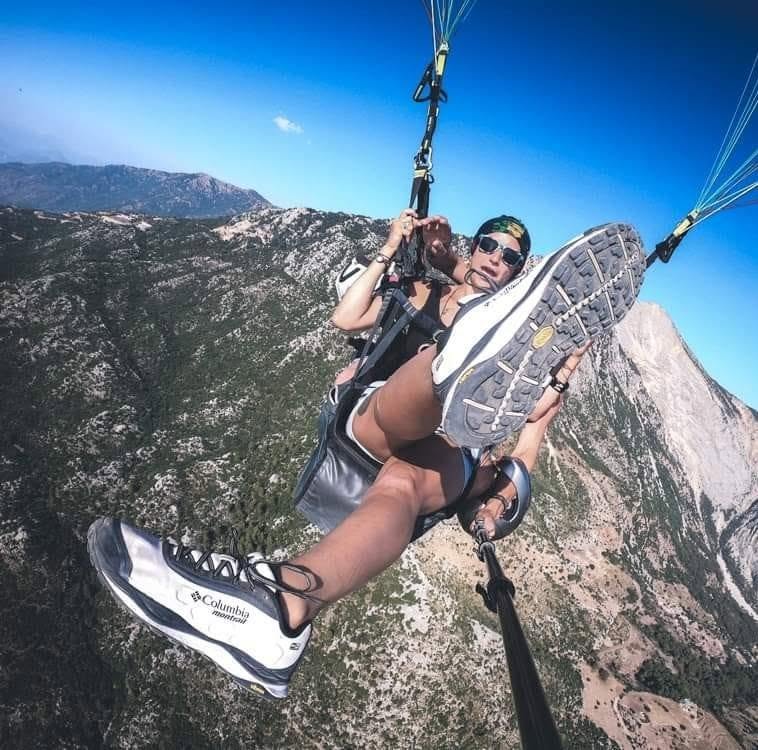
Things to do in Dryanovo
Planning a trip to Dryanovo, Bulgaria? Discover 15 things to do in and around this small Balkan town, including historic churches, Dryanovo Monastery, Bacho Kiro Cave, waterfalls, scenic hiking trails, and charming nearby villages. Save the map and start planning your visit!
Read More
Rilska Skakavitsa Waterfall
Rilska Skakavitsa is the highest waterfall in Rila, but reaching it takes a proper mountain hike. Here’s everything you need to know before you go, from parking and trail details to the confusing bits where getting lost is surprisingly easy.
Read More
Skakavitsa Hut
Skakavitsa Hut is the oldest mountain hut in Bulgaria and one of the most interesting places to stay in northwestern Rila. Here’s everything you need to know before your visit, from hiking routes and nearby sights to the hut’s history, facilities and contact details.
Read More
Seven Rila Lakes
The Seven Rila Lakes are one of Bulgaria’s most popular mountain hikes, but don’t let the crowds fool you - this is not an easy walk in the park. Here’s everything you need to know before hiking the Seven Rila Lakes, from getting there and taking the lift to following...
Read More