
Last updated on January 14, 2026
Plan your Bulgaria trip without overthinking it:
- Flights: I usually compare prices on Kiwi, Skyscanner, and Omio – they often show different deals for the same routes.
- Accommodation: For apartments and hotels, Booking, Vrbo, and Agoda cover pretty much every budget and city in Bulgaria.
- Tours & activities: If you don’t want to book on the spot, GetYourGuide and Viator are the easiest options.
- Transfers: For airport pickups and long-distance transfers, Welcome Pickups save time and negotiation.
- Car rental: I compare prices on DiscoverCars and LocalRent – especially useful outside Sofia.
- Mobile internet: For eSIMs, Saily is simple and cheaper than roaming.
- Travel insurance: I usually check HeyMondo (5% discount available) or SafetyWing, depending on trip length.
What is the Tsarevets Fortress in Veliko Tarnovo?
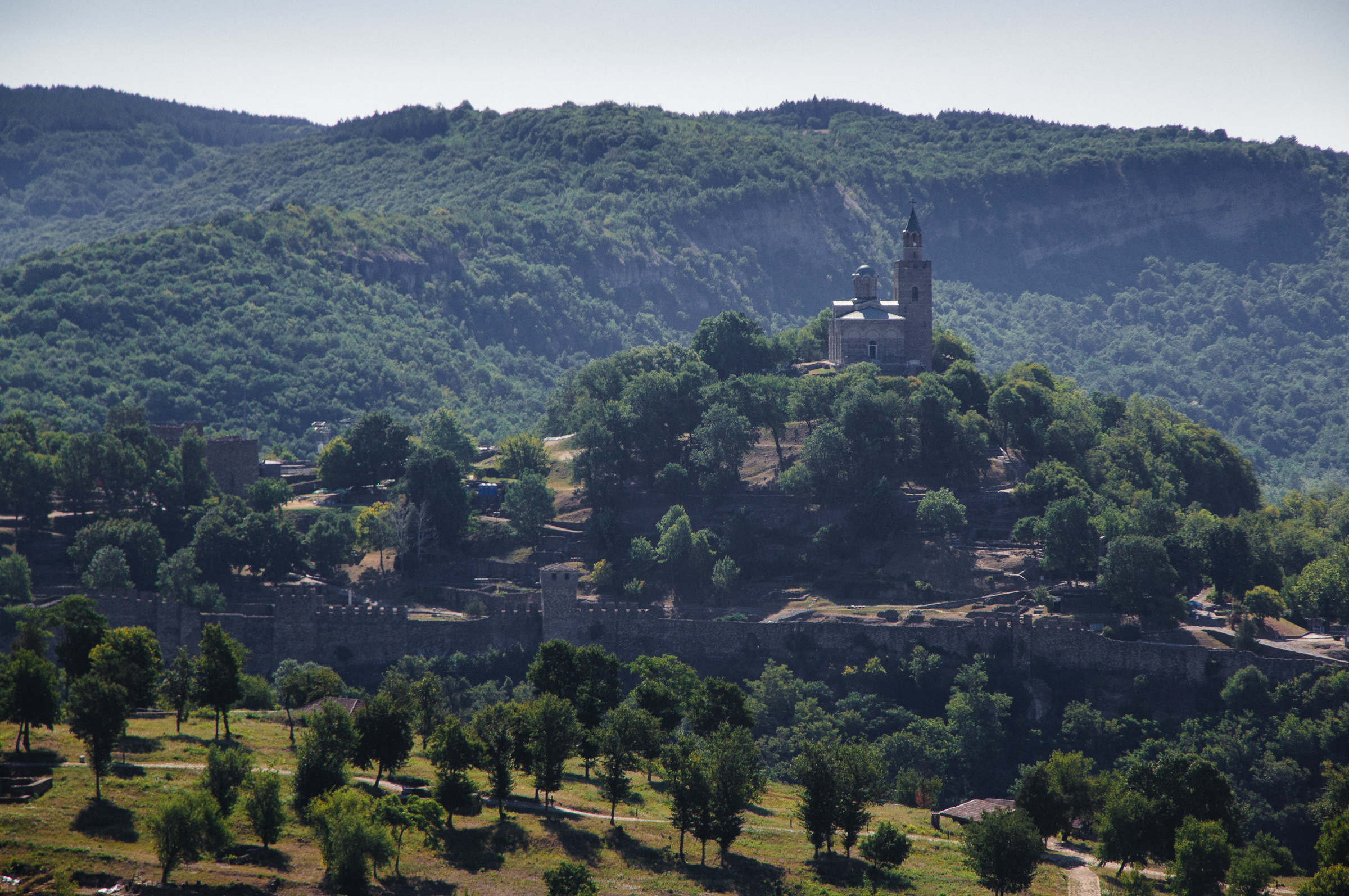
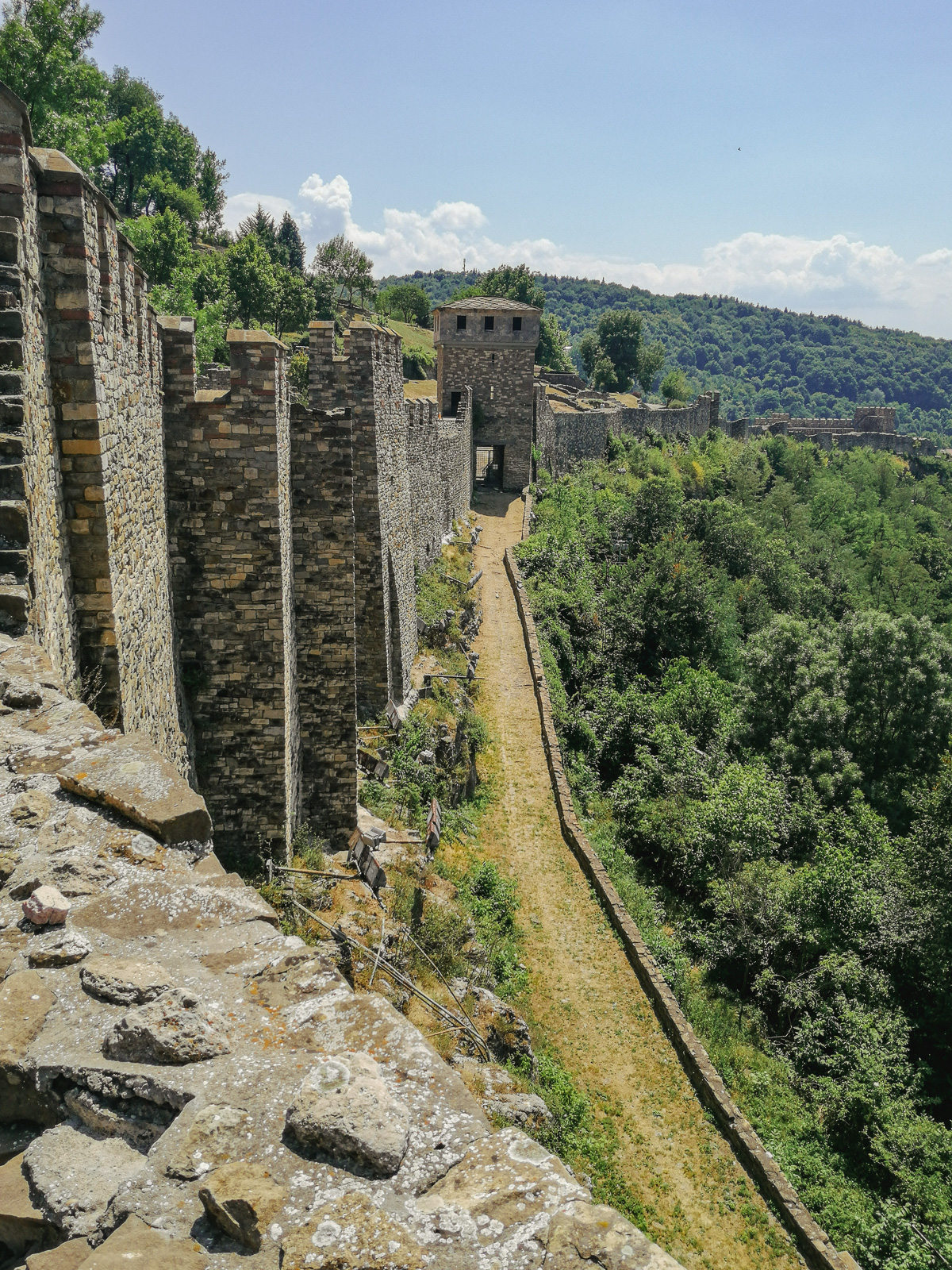
Tsarevets Fortress is a medieval stronghold sitting on Tsarevets Hill in Veliko Tarnovo, and it was once the beating heart of Bulgaria. It was part of Tarnovgrad – the capital of the Second Bulgarian Kingdom (1185-1396), which makes Tsarevets the most important fortress of medieval Bulgaria.
Medieval Tarnovgrad (aka Tsarevgrad) was a multi-part capital, spread across several fortified areas:
- Tsarevets hill and Fortress – the political and spiritual core. This is where the royal palace and the Patriarchal complex were located.
- Trapezitsa hill and Fortress – a large residential district with houses for people of different social classes, churches, streets, and everyday city life.
- Devingrad hill and Maiden’s Fortress (Momina Krepost) – a separate fortified quarter on its own hill, adding another defensive layer to the capital.
- New Town – located in the lowlands, supporting the upper city with trade, crafts, and daily activity. Today the area is called Asen Quarter or Veliko Tarnovo Old Town.
- City of the Franks – a fortified neighborhood below the royal palace walls, created specifically for foreigners who stayed long-term in Tarnovgrad. It’s the area where today’s Mini Bulgaria Park and Archeological site “Frenkhisar” are located.
From the late 12th to the 14th century, Tsarevets was the main fortress of Bulgaria’s medieval capital and the political, administrative, and spiritual center of the Second Bulgarian Kingdom. This is where the big decisions happened – state, church, and power all in one place.
Inside, the most important buildings were the Royal Palace and the Patriarchal complex. Archaeological excavations have uncovered hundreds of buildings, including aristocratic homes, churches, monasteries, and even an inn.
Today, it is one of Bulgaria’s most important historical landmarks and an architectural and museum reserve. Tsarevets is officially listed as site No. 11 among the 100 National Tourist Sites.
In other words, this is not a “maybe if you have time” sight.
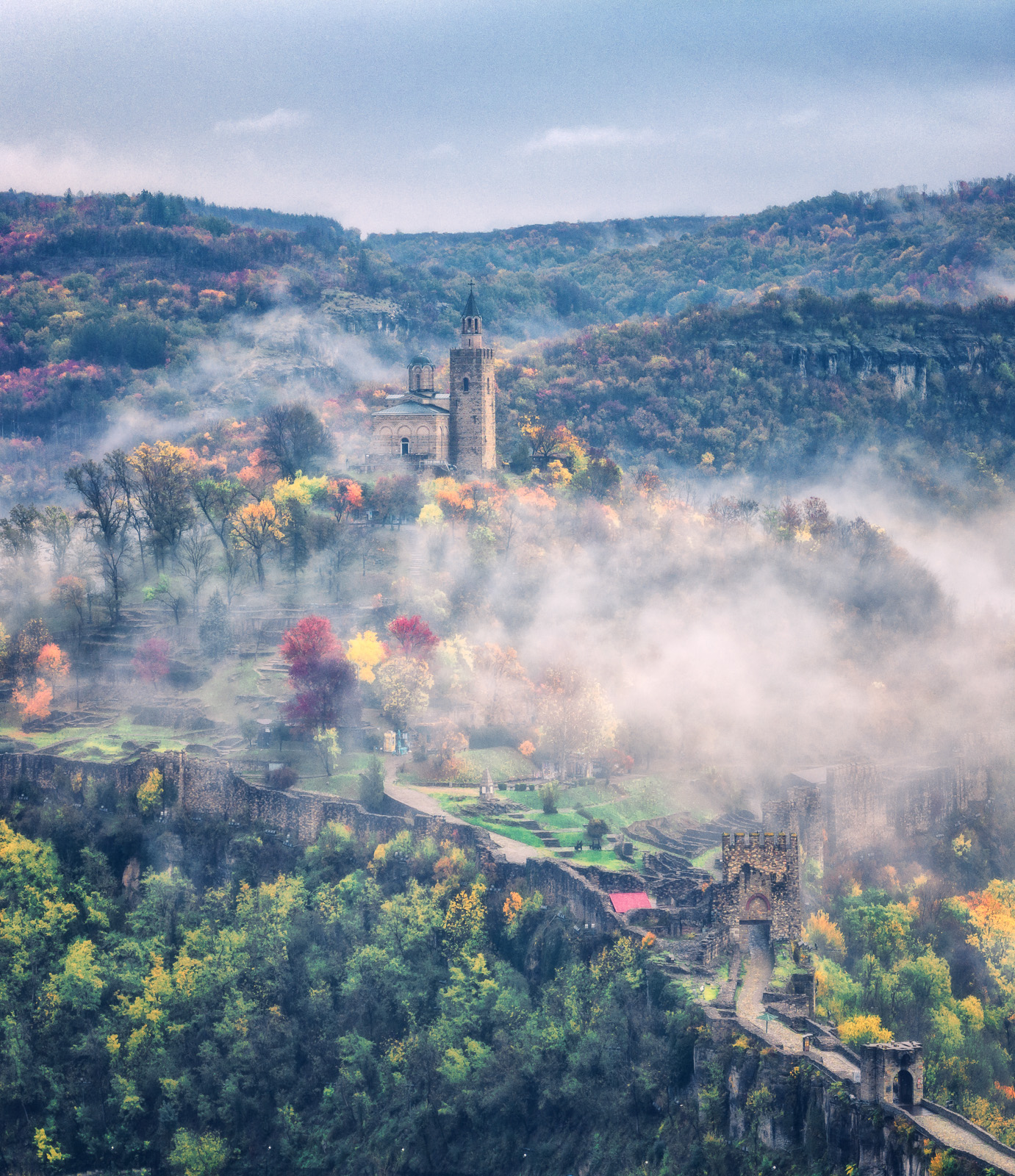
Photo by: peter_naydenov_pierre
History of Tsarevets (Tarnovgrad)
The history of Tsarevets is tightly linked to the rise and fall of the Second Bulgarian Kingdom. It’s long and layered, so if you are interested in learning more about it, I strongly advise you to visit Tsarevets with a qualified tour guide from the Regional History Museum.
Prehistory to Late Antiquity
- Stone, Bronze, and Iron Ages – The area around Tsarevets has always been a good place to live, as it’s naturally protected and easy to defend. Archaeological finds show continuous settlement here since the Stone Age.
- Thracians – Thracians later lived on the hills, and the settlement was likely called Zikideva.
- Romans – The Romans turned it into a fortified city with the same name. After barbarian invasions destroyed it, the city was rebuilt under emperors Anastasius and Justinian.
11th-12th century – before the Second Kingdom
During the 11th century, when Bulgarian lands were under Byzantine rule, new construction began on Tsarevets Hill. These early structures laid the groundwork for what would soon become a royal capital.
1185-1197 – the birth of the Second Bulgarian Kingdom
- In 1185, after the uprising of Asen and Peter, Tarnovgrad was declared the capital of the restored Bulgarian state. The name Tsarevets comes from tsar (the ruler’s title) meaning “the city of the tsar.”
- In 1185, Theodore was crowned here and took the name Tsar Peter IV. Together with his brother Ivan Asen I, he re-established the Bulgarian state after 167 years of Byzantine rule.
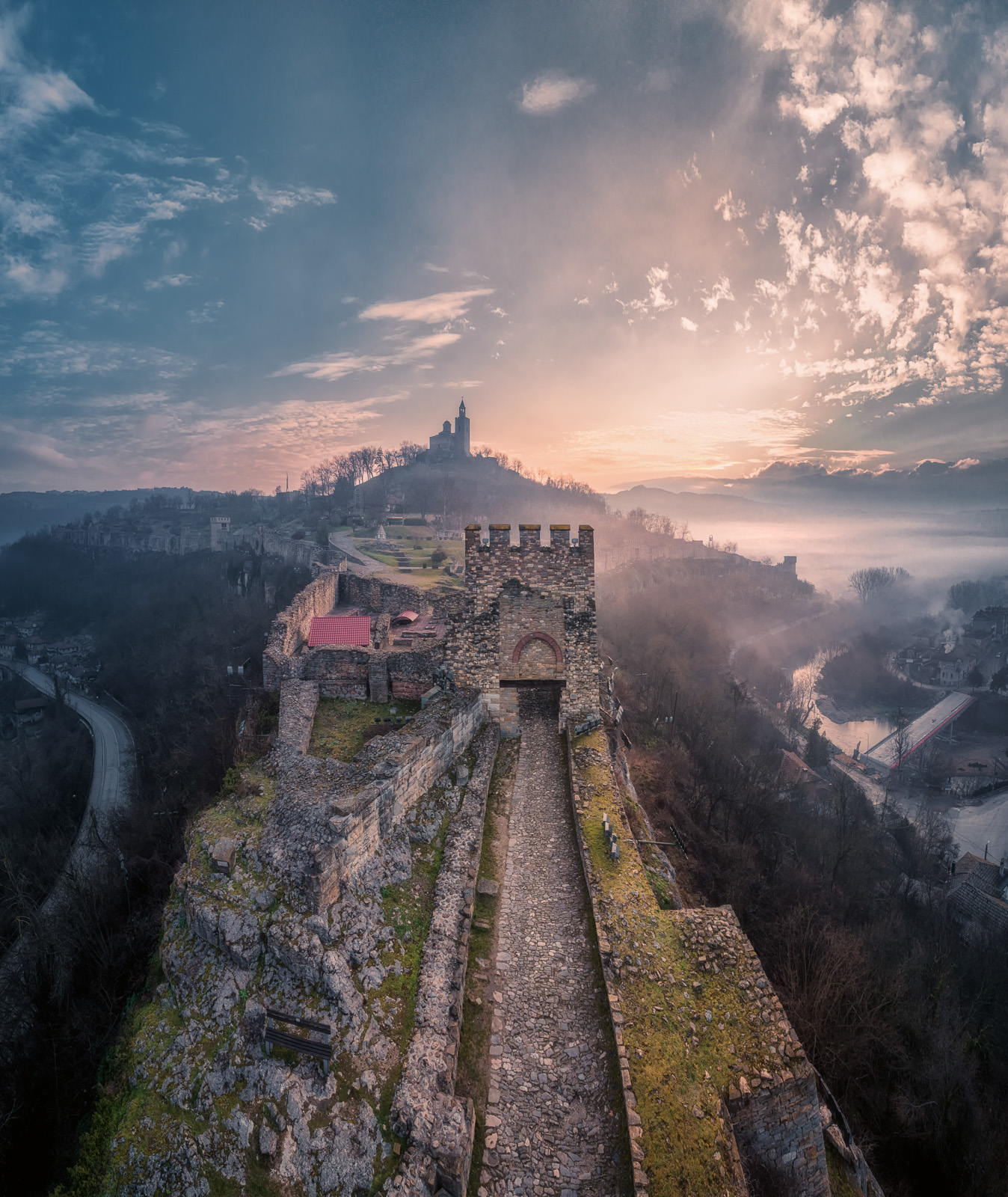
Photo by: peter_naydenov_pierre
Late 12th-early 13th century
- Thanks to the Asen dynasty, Tarnovgrad became a powerful political, administrative and spiritual center. Relics of saints were brought here from across the Balkans to outline Bulgaria’s cultural and spiritual influence.
- In 1195, by order of Tsar Ivan Asen I, the relics of Saint Ivan of Rila were moved to nearby Trapezitsa. Later, under Tsar Kaloyan, the relics of Saint Gabriel of Lesnovo were also brought there.
- In 1205, after the Battle of Adrianople, the Latin Emperor Baldwin of Flanders was captured and imprisoned in Tsarevets. The Baldwin tower still bears his name.
Early to mid-13th century
- A major fire during Tsar Boril’s reign caused serious damage to the fortress. Restoration followed under Tsar Ivan Asen II, who expanded the royal residence.
- In 1230, Tsar Ivan Asen II built the Church of the Forty Martyrs at the foot of Tsarevets, marking his victory at the Battle of Klokotnitsa. At this time, Tarnovgrad was the capital of a Bulgarian empire stretching to three seas.
- By the 13th century, the Tarnovo Patriarch was already known as a “pillar of Orthodoxy,” especially during tensions between Constantinople and Rome around 1274.
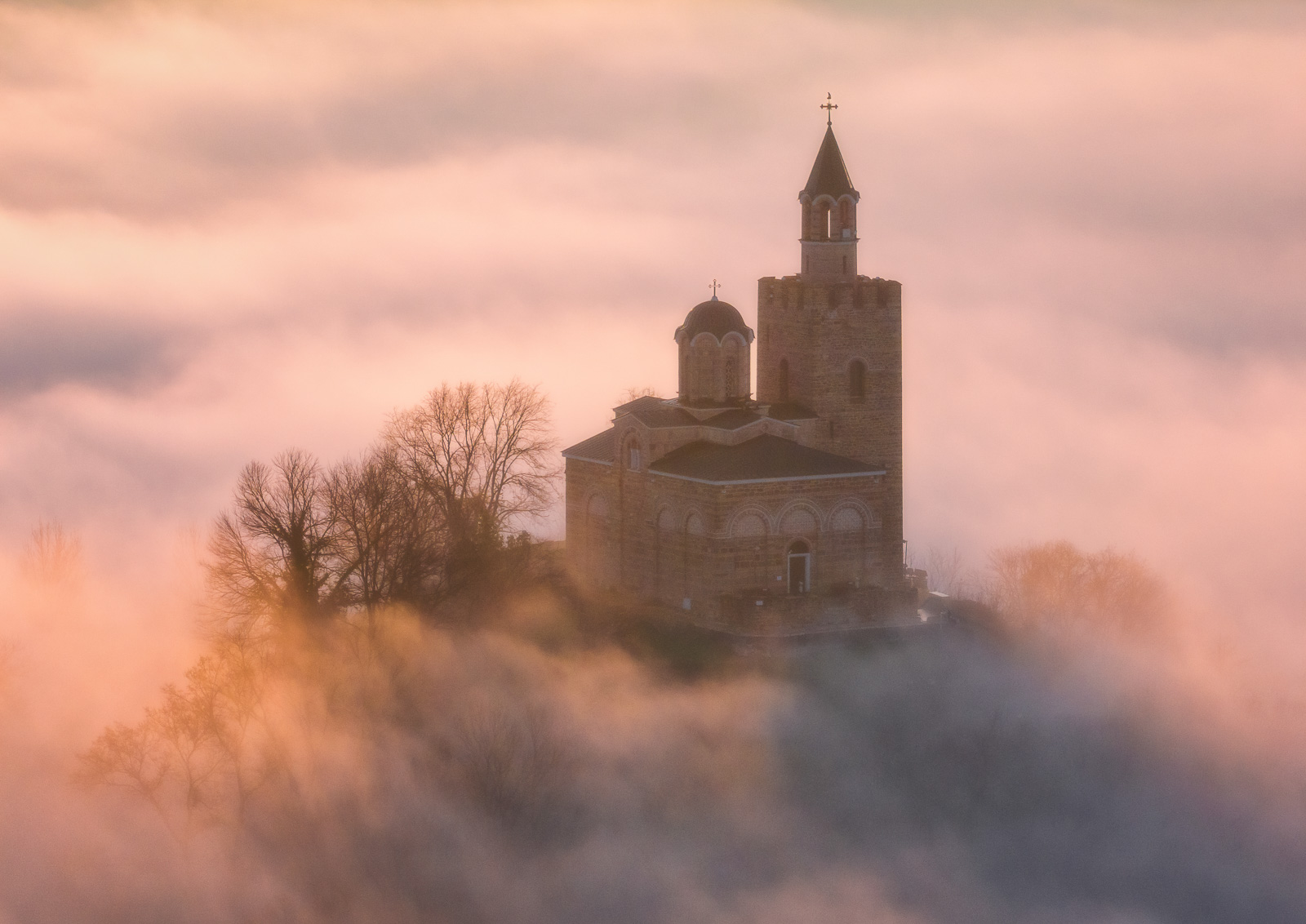
Photo by: peter_naydenov_pierre
14th century
- In the mid-14th century, Tsar Ivan Alexander carried out the final major reconstruction of the palace, expanding it with new buildings.
- In 1360, a church council against the Jews was held in the Tsarevets palace.
- Between 1347 and 1349, the Black Death reached the Balkans, with devastating mortality. In response, Tsar Ivan Alexander introduced hygiene measures, including the construction of the so-called Shishman Bath.
1393 – the fall of Tarnovgrad
After a long and fierce siege in the summer of 1393, Tarnovgrad fell to the Ottoman Turks. The defense was led by Patriarch Evtimiy, while Tsar Ivan Shishman ruled the state until 1395. This marked the end of Tsarevets as a living royal center.
19th-20th century
- In 1835, after the failed Velcho Conspiracy, Tsarevets, Trapezitsa, and other medieval remains were deliberately destroyed.
- After Bulgaria’s liberation in 1878, Tarnovo became the first capital of the new state. To highlight continuity with medieval Bulgaria, the First Grand National Assembly was held here.
- In 1908, Prince Ferdinand declared Bulgaria’s independence at the Church of the Forty Martyrs, once again linking modern Bulgaria to its medieval capital.
Modern Tsarevets
- Between 1930 and 1981, Tsarevets Fortress was being restored for over 51 years, completed for the 1300th anniversary of the Bulgarian state.
- In 1985, the Sound and Light show systems were added.
- In 2019, Veliko Tarnovo was officially declared Bulgaria’s historical and spiritual capital – a title that fits Tsarevets perfectly.
Tsarevets Fortress map
This Tsarevets map helps you see not just the fortress, but the entire medieval capital of Tarnovgrad. It marks key locations spread beyond Tsarevets Hill, plus other closely connected landmarks worth visiting.
This is especially useful if you plan to explore more than just the fortress and want to understand how the medieval city actually functioned.
Stef’s local tip: Click on the map to open the Google Maps list, then save it to your account. That way, you’ll have it handy on your phone while walking around Veliko Tarnovo without getting too lost on cobblestone streets.

What to see in Tsarevets
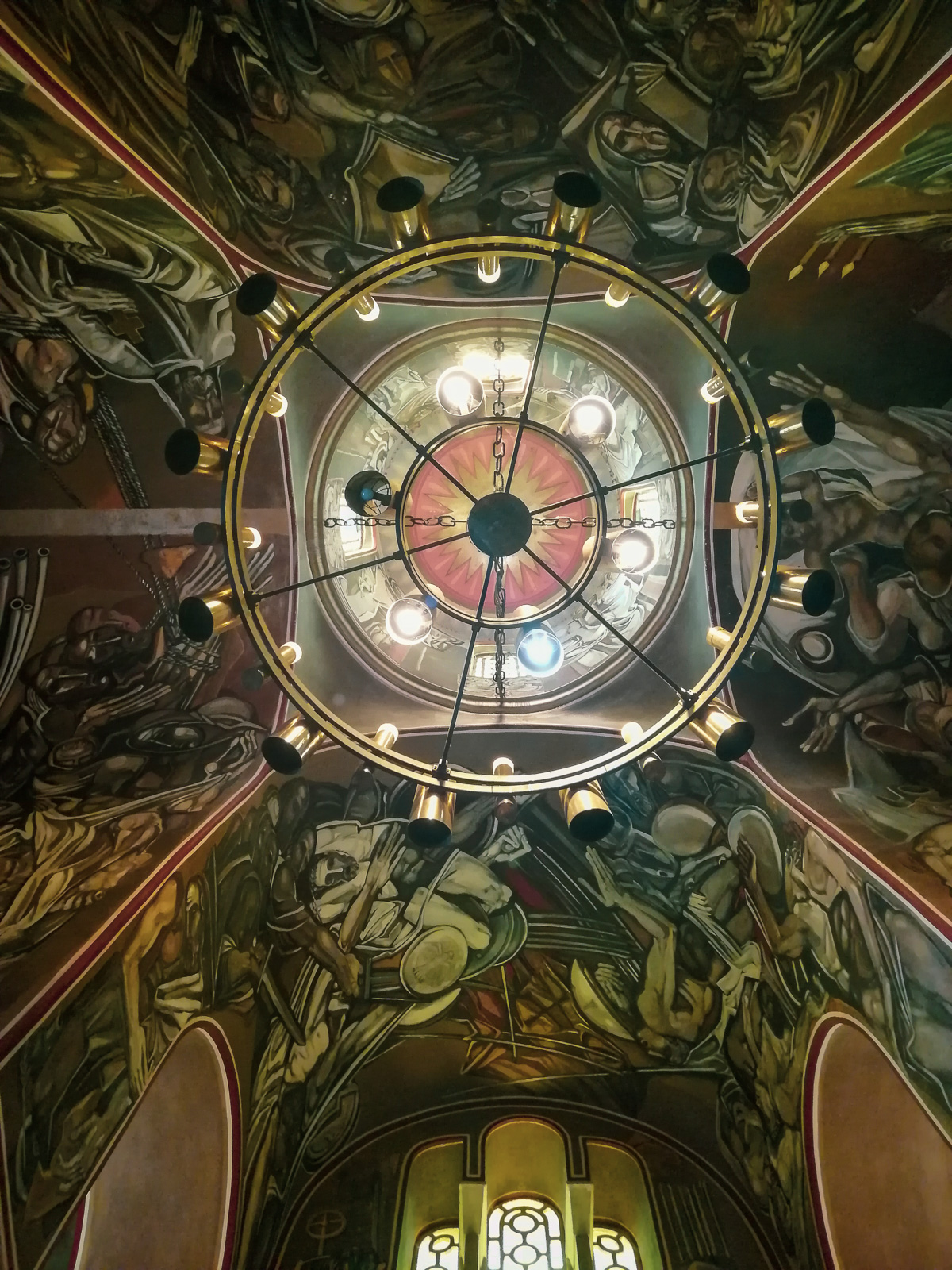
The two absolute highlights of Tsarevets are the Patriarchal Complex and the Palace of the Bulgarian Tsars – the royal residence of the Asen dynasty.
Patriarchal Complex (Church Ascension of Christ)
The Patriarchal Complex stands on the highest point of Tsarevets Hill and served as the spiritual headquarters of the medieval Bulgarian state.
This fortified monastery was protected by three towers and included:
- Monks’ cells
- Service buildings
- The Patriarch’s private quarters
- A library and scriptorium.
At its center was the Patriarchal Church “Ascension of Christ” (St. Saviour), rebuilt in 1981 on the foundations of an older Byzantine basilica. The site was chosen to safeguard relics brought by Tsar Kaloyan, including those of St. Michael the Warrior.
Because of its dominant position and bell tower, the complex was later known as “Chan Tepe” (Bell Hill).
The Royal Palace (The Palace of the Bulgarian Tsars)
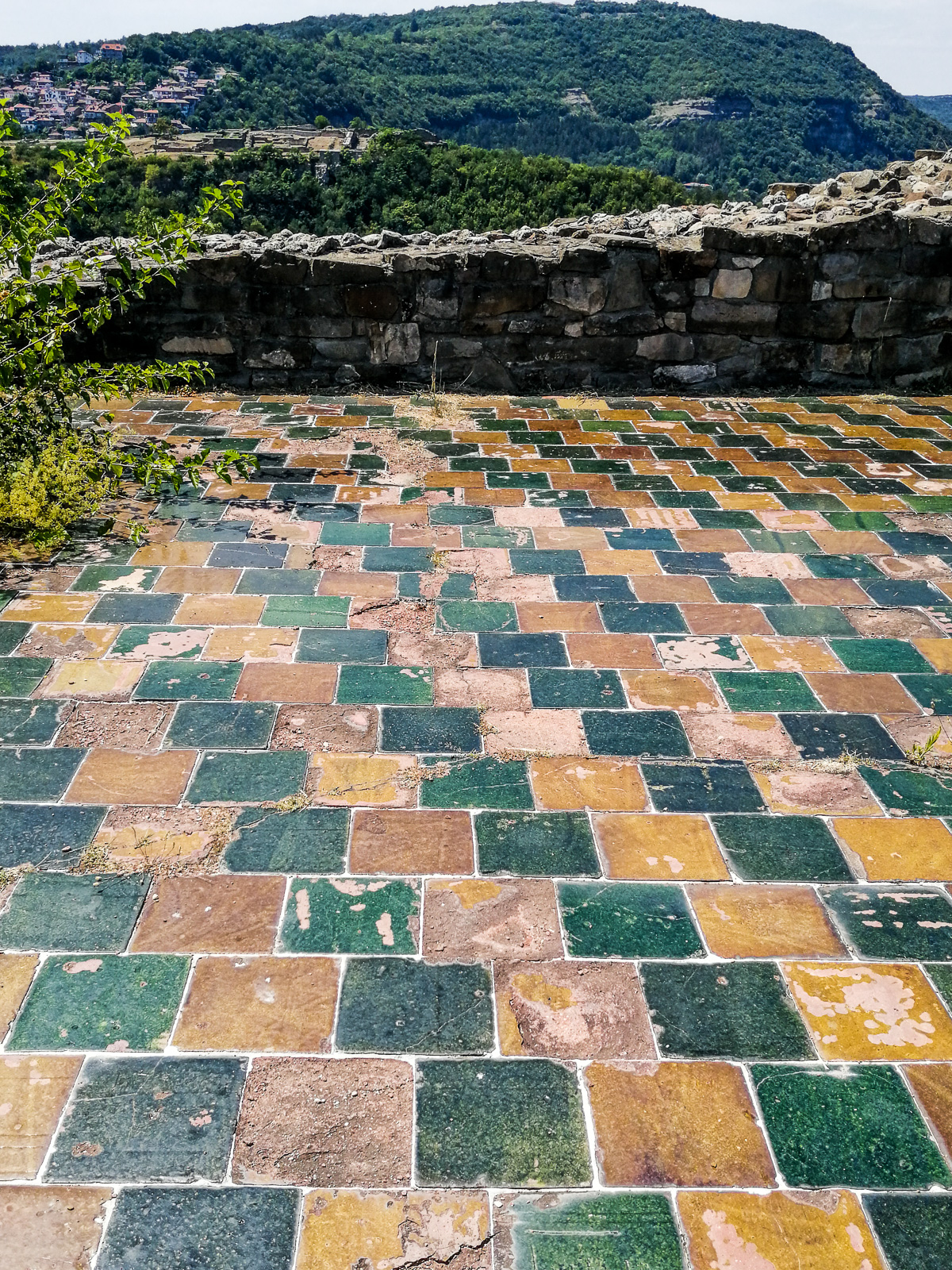
The Royal Palace was the political heart of Tsarevets and the residence of the rulers from the Asen dynasty. Spread over nearly five decares, it functioned as a self-contained fortress, with its own defensive walls and towers, housing the tsars and their closest circle.
The Royal Palace was built in the late 12th and early 13th centuries on the site of an earlier feudal castle.
The palace included:
- A throne room
- A marble-decorated reception halls with murals
- The royal living quarters
- A family church dedicated to St. Petka.
Below, there were cellars, service rooms, and a dungeon, while banquet halls, kitchens, a water reservoir, and a sewer system completed the complex.
The palace reached its greatest splendor under Tsar Ivan Alexander, and some of its foundations still bear mysterious marble slabs with Latin inscriptions, but their origin remains unknown.
Church of the Forty Martyrs
The Church of the Forty Martyrs is one of the most important churches in Bulgaria and a place where much of Bulgarian history comes together.
Located at the foot of Tsarevets Hill in the Old Town, this medieval church was built by Tsar Ivan Asen II to commemorate his victory over Theodore Komnenos at the Battle of Klokotnitsa in 1230.
Inside, you’ll see three original columns with inscriptions that span centuries:
- A Roman column
- The column of Khan Krum brought from Pliska
- The famous column of Khan Omurtag with the inscription: “Even if a man lives well, he dies and another is born.”
Archaeological excavations in the monastery complex revealed the graves of prominent medieval figures, including Tsar Kaloyan, Tsar Ivan Asen II, and his wife Anna Maria. On 22 September 1908, Bulgaria’s Independence was officially proclaimed inside this very church, which says a lot about its symbolic weight.
Church of St. Peter and Paul
The Church of St. Peter and Paul is a medieval masterpiece located at the northern foot of Tsarevets Hill. Built in the early 13th century, it later became the center of a monastic complex.
According to historical sources, its construction is linked to Anna Maria of Hungary, the wife of Tsar Ivan Asen II, who also funded the monastery around it.
The church is known for its frescoes, which reflect the Second Bulgarian Kingdom’s close contacts with the Latin West. It also served as a burial place for members of the royal family, including Anna Maria, who died of the plague in 1237.
According to Patriarch Evtimiy, this was the place where he said his final prayer before being taken to Tsarevets during the Ottoman siege.
Church of St. Demetrius of Thessaloniki
The Church of St. Demetrius of Thessaloniki lies below Trapezitsa Hill and is the most precisely dated medieval church in Tarnovo.
It was built in 1185, the same year the uprising of the boyars Peter and Asen against Byzantine rule was declared. This church is directly linked to the birth of the Second Bulgarian Kingdom.
Baldwin’s Tower
Baldwin’s Tower guarded one of the three main entrances to Tsarevets Fortress. It takes its name from Baldwin of Flanders, the Latin Emperor captured by Tsar Kaloyan after the Battle of Adrianople in 1205.
Baldwin was imprisoned in this tower and later died here. The tower is located in the southeastern part of the fortress, near the area once known as the Frankish Quarter, a fortified zone where foreign residents lived and entered the capital.
Execution Rock (Lobna Skala)
Execution Rock is a cliff on the northern edge of Tsarevets, overlooking the Yantra River gorge. This was the place where enemies of the tsar were thrown into the abyss as a form of execution.
According to historical accounts, Tsar Theodore Svetoslav ordered Patriarch Joachim III to be thrown from this very spot. Legend also says that Patriarch Evtimiy was meant to be executed here, but an angel intervened and stopped the executioner by paralyzing his arm.
The Tsarevets Gates
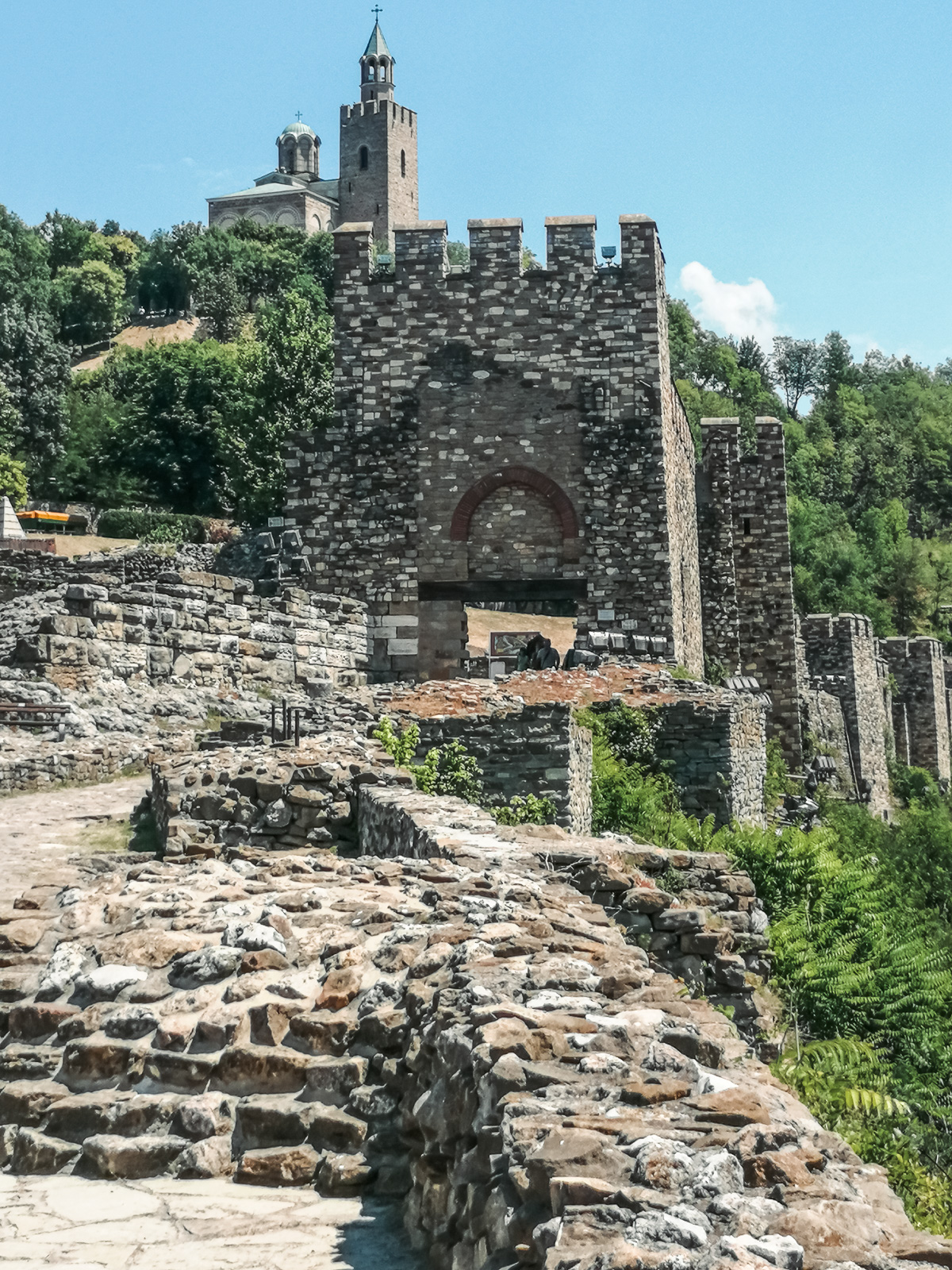
The gates of Tsarevets were part of a carefully designed security and economic control system.
Roads and bridges were planned so that anyone entering the capital had to pass through the fortress itself, not around it.
To reach the heart of Tarnovgrad, travelers and merchant caravans passed through a sequence of five tower gates, one after another. Each tower monitored the next, creating a defense system considered “impregnable by nature itself.” This setup also ensured that taxes and fees were collected from everyone entering the city.
International Festival of Historical Reenactments “Everyday Life of Medieval Tarnovgrad”
The International Festival of Historical Reenactments takes place in early June and is one of the most lively ways to experience Tsarevets. Bulgarian and international reenactment groups turn the clock back to the 12th-14th centuries, when Tarnovo was known as the “Second Constantinople” and the “Third Rome.”
During the event, the fortress fills with:
- Reconstructions of medieval crafts and clothing
- Cooking demonstrations with tastings
- Archery
- Combat games
- And tournaments.
You’ll also see recreated camps in both Eastern and Western medieval styles, plus puppet shows that bring royal tales and old legends to life for kids and adults alike.
Multimedia Visitor Center “Tsarevgrad Tarnov”
The Multimedia Visitor Center “Tsarevgrad Tarnov” is located about 100 meters from the entrance of Tsarevets Fortress and offers a visual journey into life during the Second Bulgarian Kingdom.
After an expansion, the center now covers four floors and features 65 hyper-realistic sculptures, along with murals and dioramas. These depict historical figures, key events, and everyday life across different social groups, including rulers, clergy, boyars, warriors, and craftsmen.
It’s a great way to understand medieval Tarnovgrad as a symbol of royal power, military strength, and spiritual authority before or after your visit to Tsarevets.
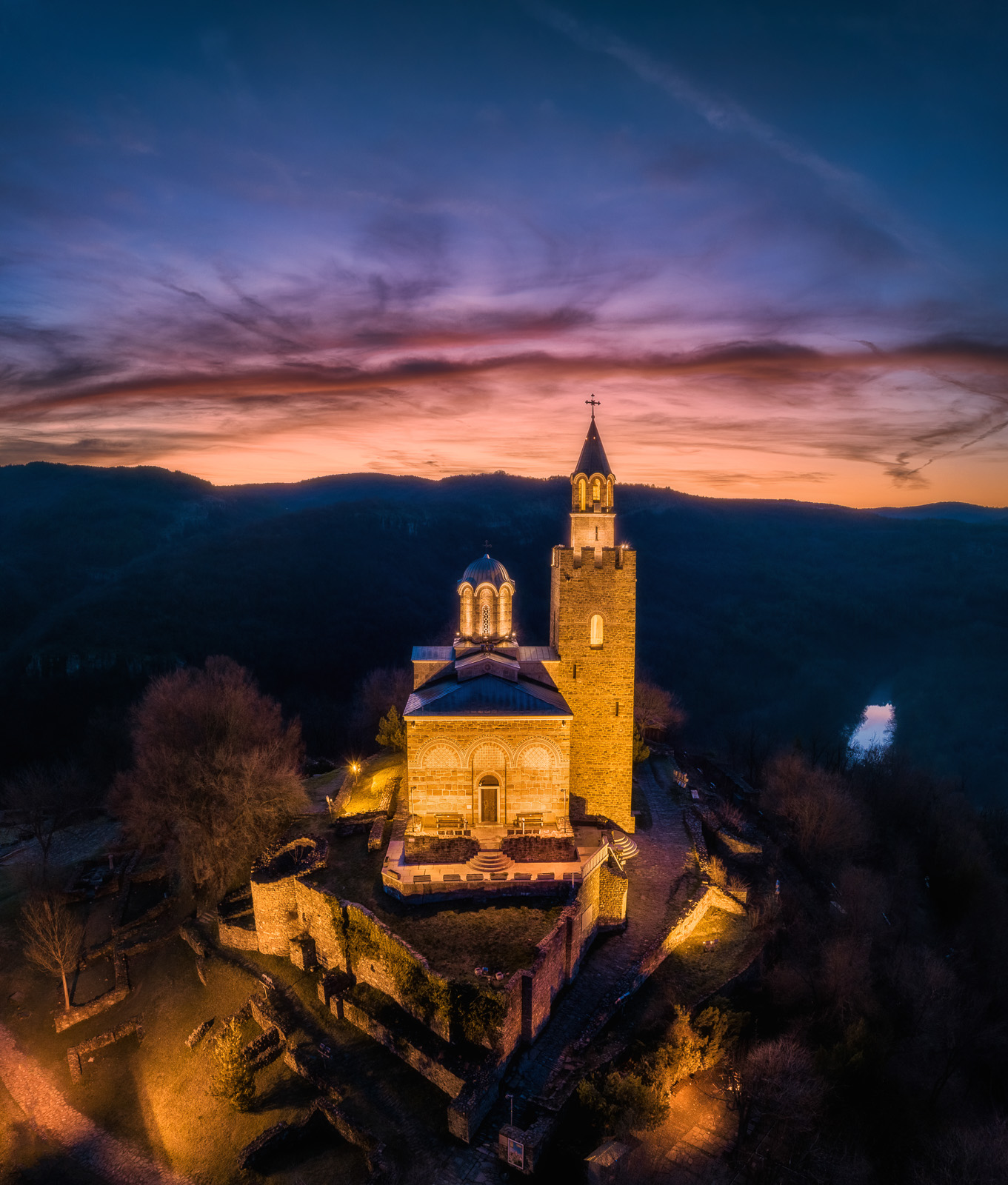
Photo by: peter_naydenov_pierre
Stef’s local tips
Tsarevets is the kind of place that makes trip planning easy because it’s open every day of the year, so you don’t need to stress about dates. Just show up in Veliko Tarnovo and the fortress will be waiting for you (during working hours, obviously).
Here are some of my other Tsarevets tips:
⛸️ The stone paths get slippery when it rains, snows, or freezes, so wear proper shoes and walk carefully.
🥵 It gets brutally hot during summer and there’s very little shade. Bring a hat, sunscreen, and water.
𓍢🌷͙֒ Spring is the ideal season for a visit as it offers comfortable weather and fewer extremes.
👨🏫 A guide or organized tour is worth it. You’ll miss a lot of context on your own.
🐌 Plan at least 2-3 hours, and be ready for more. Tsarevets is big.
📸 Don’t skip the panoramic viewpoint at the top of the Patriarchal Church (extra fee applicable). You can reach it by elevator located behind the church.
🥾 Give the city of Veliko Tarnovo and surroundings 2-3 full days. There’s a lot to see.
🎁 Fun bonus – if you manage to be the first visitor of Tsarevets for the year, the Regional History Museum gives special gifts.
⚔️ Fun bonus x2 – if you are visiting in early June, check if the historical reenactment festival is happening. It’s absolutely worth timing your trip around it.
What to see nearby
Tsarevets may be the star, but it’s far from the only reason to visit Veliko Tarnovo. The city and its surroundings are packed with history, museums, monasteries, and scenic spots, which is why many travelers use Tarnovo as a base to explore Central Northern Bulgaria.
Within Veliko Tarnovo
If you’re staying in the city, these sights are all easy to combine with your visit to Tsarevets:
- Archaeological Museum Veliko Tarnovo – includes a lapidarium with stone statues displayed in the courtyard.
- Trapezitsa Fortress – almost as large as Tsarevets and far less crowded. There’s also a panoramic elevator with views over the city.
- Monument and House of Hristo Ivanov the Great – a close associate and key helper of Bulgaria’s most famous revolutionary, Vasil Levski.
- Sarafkina House Museum – an iconic Revival-era residence, now a cultural monument hosting ethnographic exhibitions.
- Miniature Park “Tarnovgrad – The Spirit of Thousand-Year Bulgaria” – a fun and educational way to see Bulgaria’s history in model form.
- Samovodska Charshiya – the traditional crafts street, full of workshops, small shops, and cafés.
- Asenevtsi Monument (The Horsemen) – dedicated to Tsars Asen, Peter, Kaloyan, and Ivan Asen II. Built in 1985, the central sword symbolizes the rise and power of medieval Bulgaria.
- Shishman’s Bath – scroll back if you missed the story behind this unusual medieval hygiene project.
- Museum “Revival and Constituent Assembly” – the building where Bulgaria’s First National Assembly was held.
Around Veliko Tarnovo
If you have more time, the surrounding area offers excellent day-trip options:
- Nikopolis ad Istrum – a major Roman city founded in the 2nd century AD, now on Bulgaria’s tentative UNESCO list.
- Arbanasi Architectural Reserve – part of the 100 National Tourist Sites. Once used as a summer retreat by Tarnovgrad’s boyars.
- Preobrazhenski Monastery “Holy Transfiguration” – the largest monastery around Veliko Tarnovo and the fourth largest in Bulgaria.
- Lyaskovets Monastery “St. Peter and Paul” – one of the 14 monasteries built around Tarnovo during the Second Bulgarian Kingdom.
- The panoramic “Love Swing” viewpoint – a very Instagrammable spot you can reach by a short walking trail. It offers beautiful views over Veliko Tarnovo and it’s popular for sunset photos and relaxed views, not… anything else.
- Dryanovo and the surrounding area – one of my favorite regions in Bulgaria. Expect small waterfalls, Bacho Kiro Cave, Dryanovo Monastery, camping areas, mountain huts, a local history museum, and an impressive monument near the monastery turnoff.
The central northern region of Bulgaria is extremely rich in sights and hiking routes. That’s why many travelers stay in Veliko Tarnovo and use it as a strategic base, as it’s perfectly located for exploring a surprising number of incredible places without changing hotels every night.
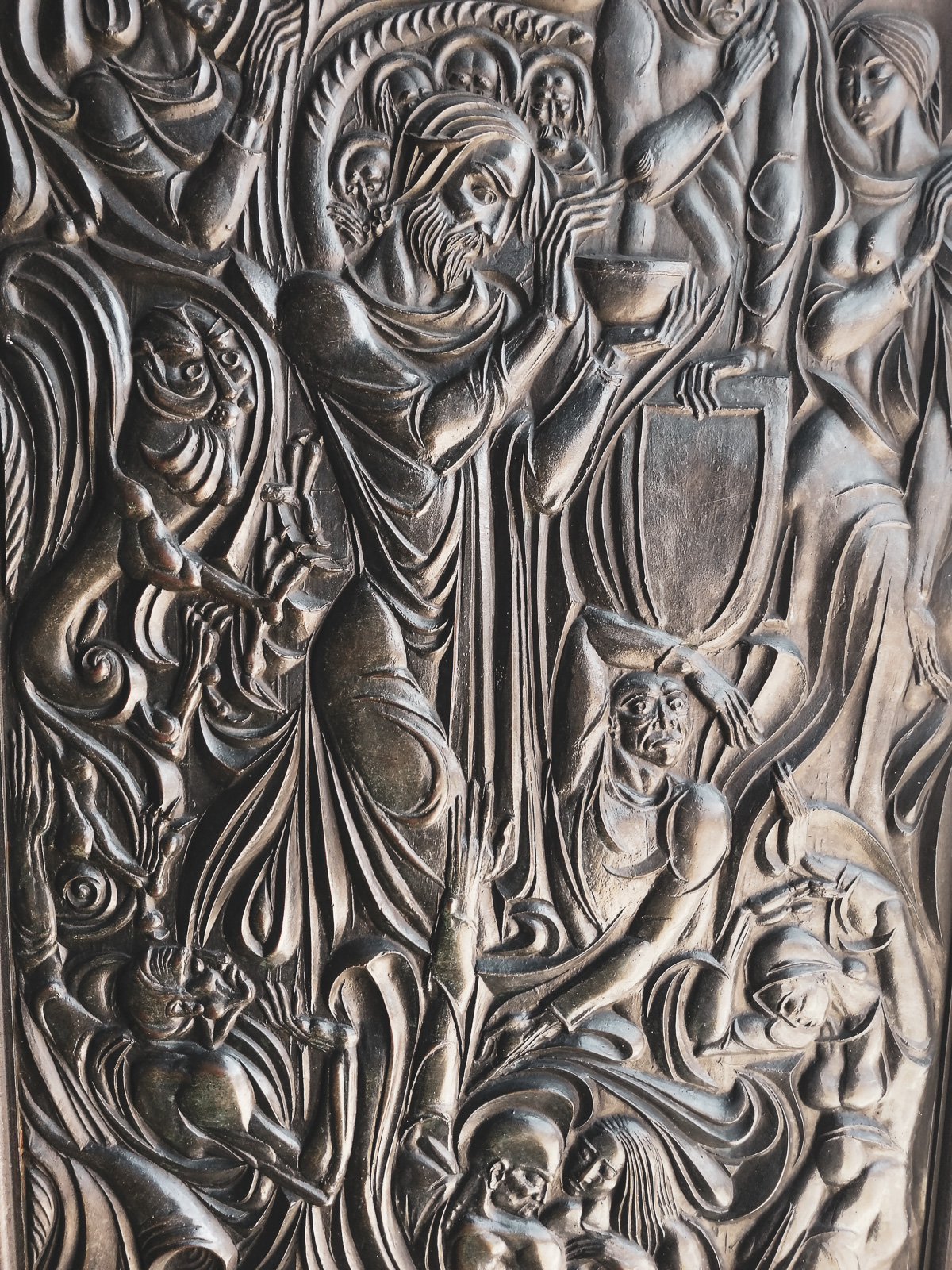

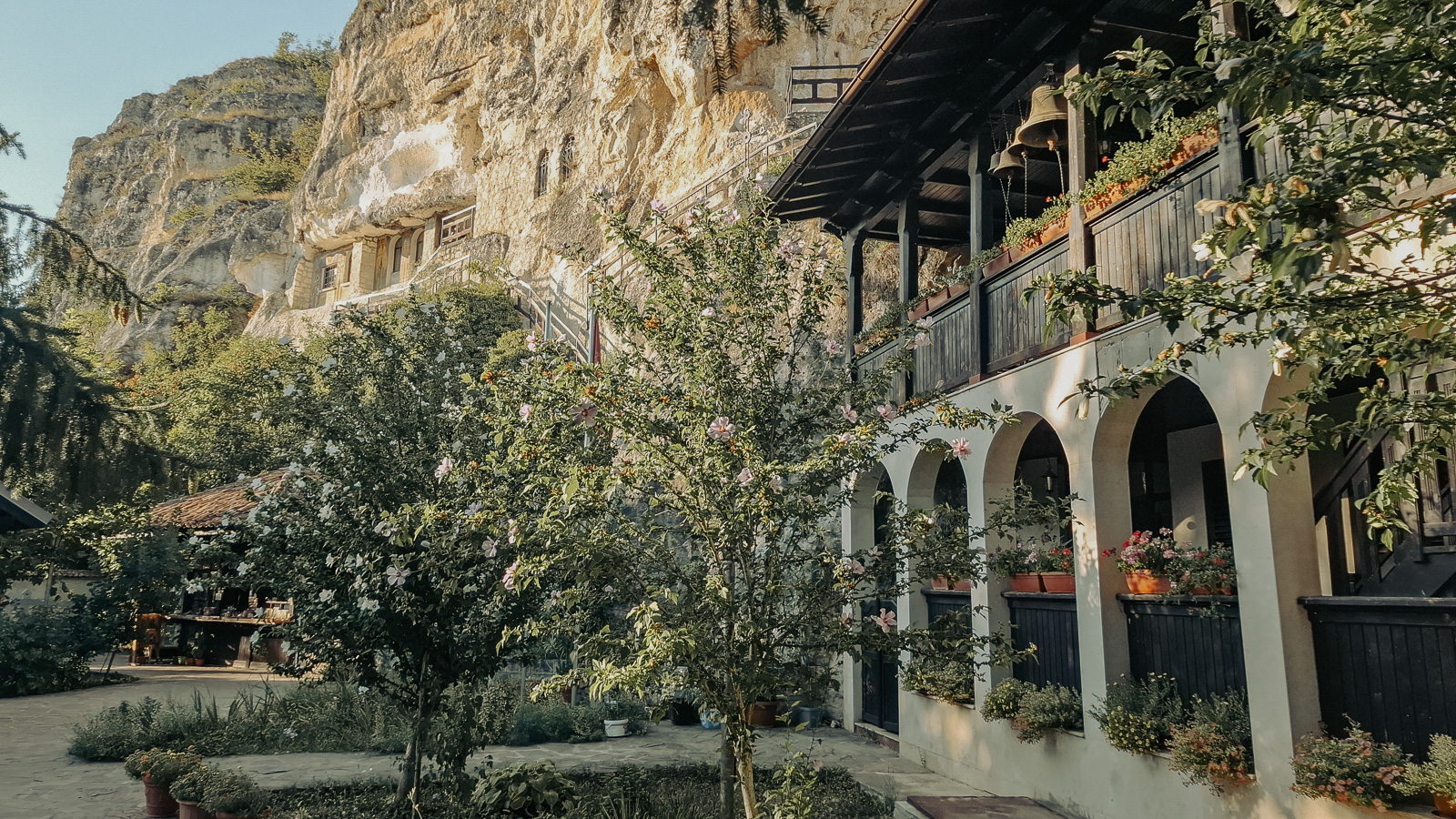
Basarbovo Rock Monastery is the only active rock monastery in Bulgaria, carved into the cliffs above the Rusenski Lom River. Located just 10 km from Ruse, it’s an easy half-day trip combining history, nature, and quiet spiritual atmosphere.
Find out if Bulgaria is worth visiting and whether you should start preparing for a trip – everything you need to know from a local
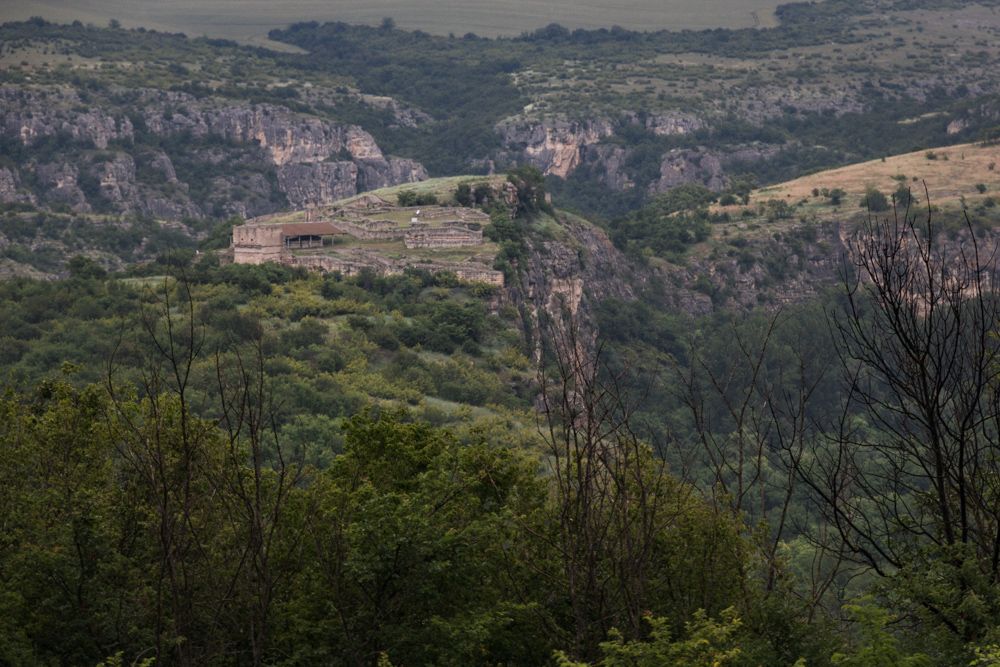
The Cherven Fortress is one of Bulgaria’s most important medieval cities, perched high above the Rusenski Lom River. Located near Ruse, it’s an easy half-day trip combining history, ruins, and panoramic views over the canyon.
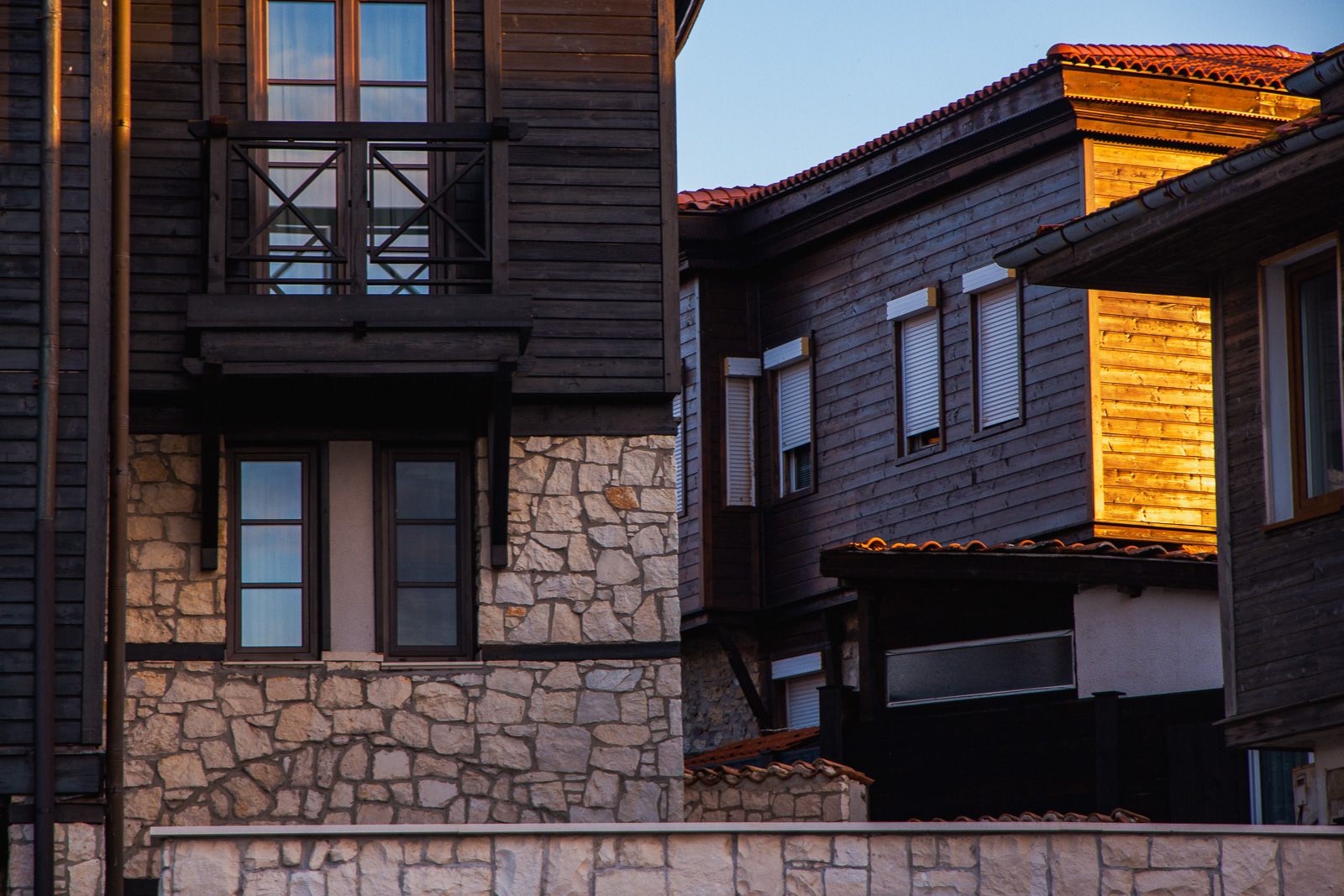
Looking for the best hotels in Nessebar Old Town? This guide covers boutique hotels, charming guest houses, and affordable apartments inside the UNESCO-listed historic peninsula. Find the best places to stay, what to expect, and how to choose the right location.
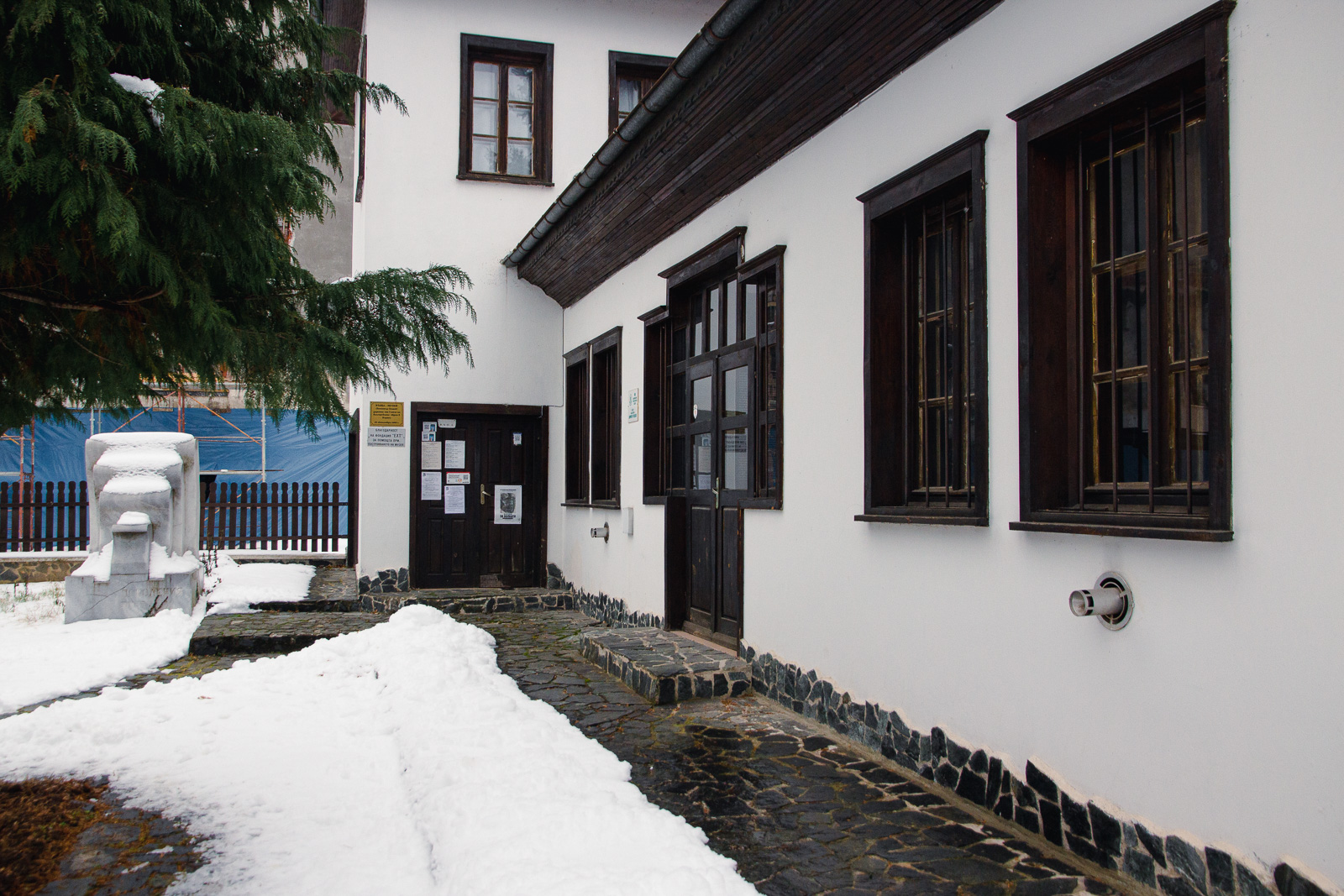
Planning a trip to Kyustendil? This guide covers what to see in the city and nearby - from Roman thermae and Ottoman-era baths to mountain hikes, giant sequoias, and Rila Monastery - with practical tips to help you plan independently.

Planning a trip to Bulgaria in February? From wine and food festivals to Kukeri carnivals and ancient rituals, this month is packed with local traditions and recurring events across the country. Here are 16 events and festivals in Bulgaria this February to help you plan beyond the usual tourist spots.
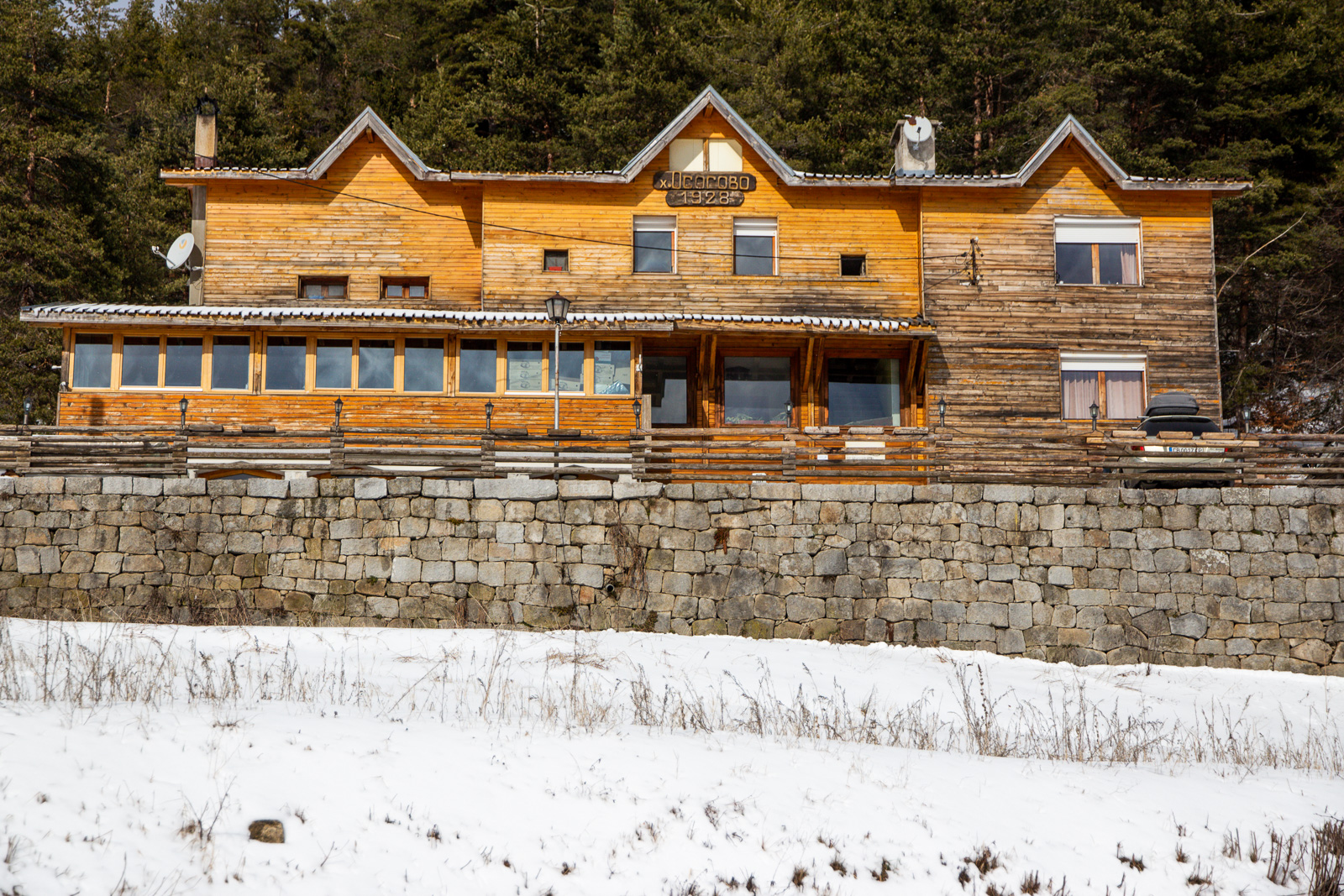
Osogovo Hut isn't a typical Bulgarian mountain hut - it's got private bathrooms, unlimited water, and a restaurant with amazing food. This guide covers rooms, prices, hiking trails to Ruen Peak, and what makes it worth the short drive from Kyustendil.